
You can go whale watching in San Francisco almost any time of year. Humpback whales feed off the coast and sometimes inside the bay from spring into early winter, and gray whales pass by on their migration from about December through spring. The easiest option is a 2.5-hour tour from Pier 39 out under the Golden Gate Bridge, and for the best odds, an all-day trip to the Farallon Islands runs from April to November.
In this guide
This guide is part of our outdoor activities in San Francisco hub. Tour prices and schedules are as of November 2026, so check before you book.
At a glance
| Details (as of November 2026) | |
|---|---|
| Best season for humpbacks | Spring through fall, sometimes into early winter |
| Best season for gray whales | Roughly December through May, during migration |
| Short tour | San Francisco Whale Tours’ Golden Gate Whale Watch, about 2.5 hours from Pier 39 |
| Short tour price | Listed at $120 for adults, often on sale |
| Long trip | Oceanic Society to the Farallon Islands, about 8 hours, from $320 |
| Farallon season | April to November, weekends, from the San Francisco Marina |
| Best shore spots | Lands End, Golden Gate Bridge, Point Bonita, Point Reyes |
| What to bring | Warm waterproof layers, nonslip shoes, binoculars, motion sickness remedy |
When to see whales
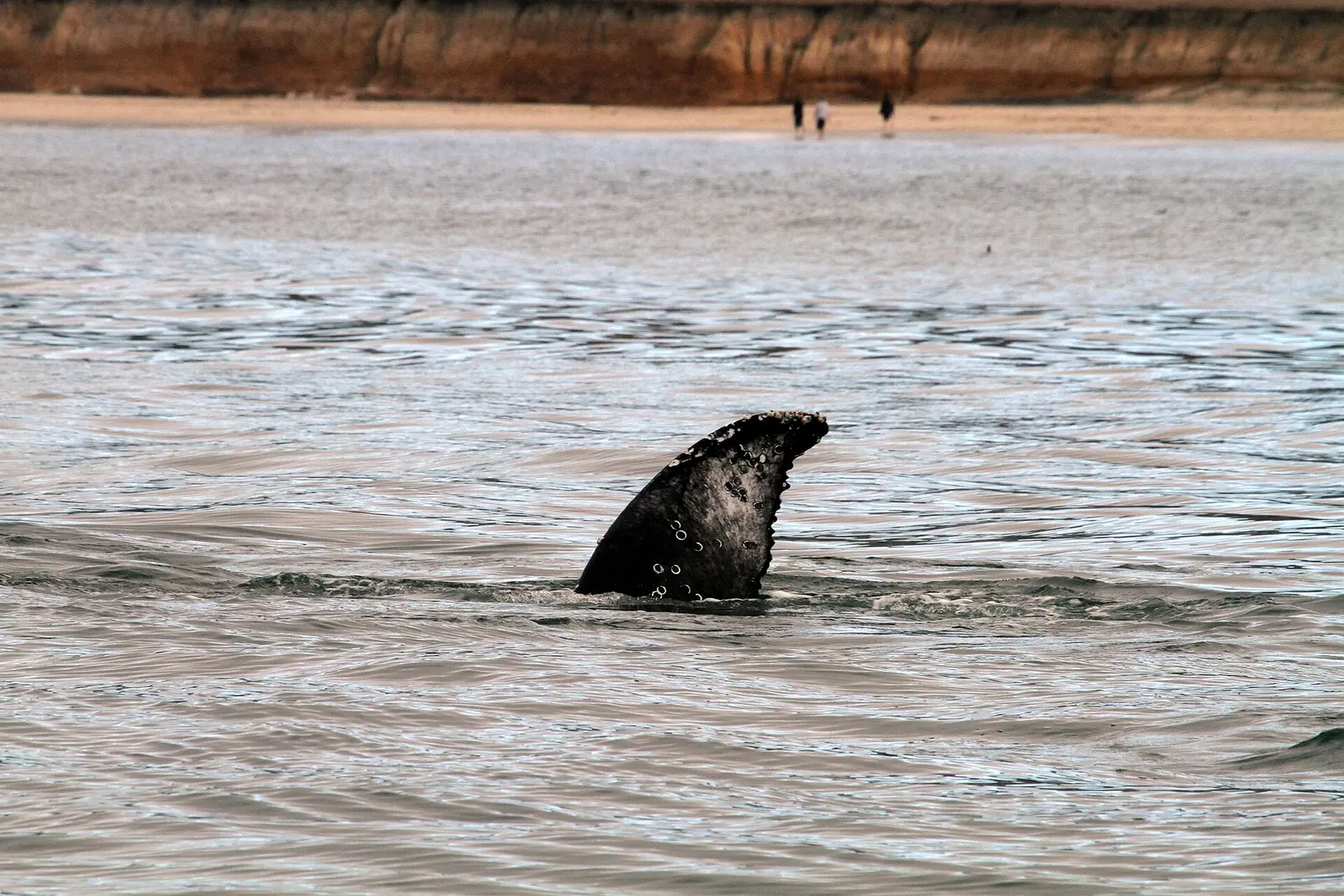
San Francisco sits next to one of the richest stretches of ocean on the West Coast. Cold, nutrient-rich water rises along the coast and feeds huge amounts of krill and small fish, which draw whales close to shore.
Humpback whales
Humpbacks are the whales you’re most likely to see on a San Francisco tour. They feed off the coast from spring into fall, and in recent years they’ve regularly come inside the Golden Gate to feed near the bridge and around the bay. Local operators say humpbacks are typically seen from spring into the winter months. You’ll often spot them by their tall spouts, arched backs and, if you’re lucky, their raised tail flukes as they dive.
Gray whales
Gray whales migrate along the California coast between Alaska and Mexico. Southbound grays pass by from about December to February, and northbound whales, including mothers with calves, pass by from about March to May. Some gray whales have also been spending time inside San Francisco Bay in winter and spring, according to local tour operators.
Blue whales and others
On longer offshore trips, especially in summer and fall, you may see blue whales, fin whales, dolphins, porpoises, seals, sea lions and seabirds. The Farallon Islands are home to huge seabird colonies and thousands of seals and sea lions.
Whale watching tours from San Francisco
Golden Gate Whale Watch from Pier 39
San Francisco Whale Tours runs a Golden Gate Whale Watch that lasts about 2.5 hours, leaving from Pier 39 and heading out under the Golden Gate Bridge to look for whales along the coast. As of November 2026, its tour page lists regular prices of $120 for ages 10 and up, $90 for kids 3 to 9 and $100 for students, seniors 60 and up and military, with discounted sale prices shown at checkout. Kids 2 and under are free.
Trips run on a 65-foot catamaran with a restroom. You can bring your own food, and beer and wine are allowed. The company asks you to arrive 30 minutes early, and tickets can’t be refunded within 48 hours of the trip, though you may be able to reschedule. Trips go rain or shine but can be canceled in severe weather. The company says if you don’t see a whale, your next trip is on them. Check the terms when you book.
Our Pier 39 guide has tips on getting there and what else to do nearby.
Farallon Islands trips
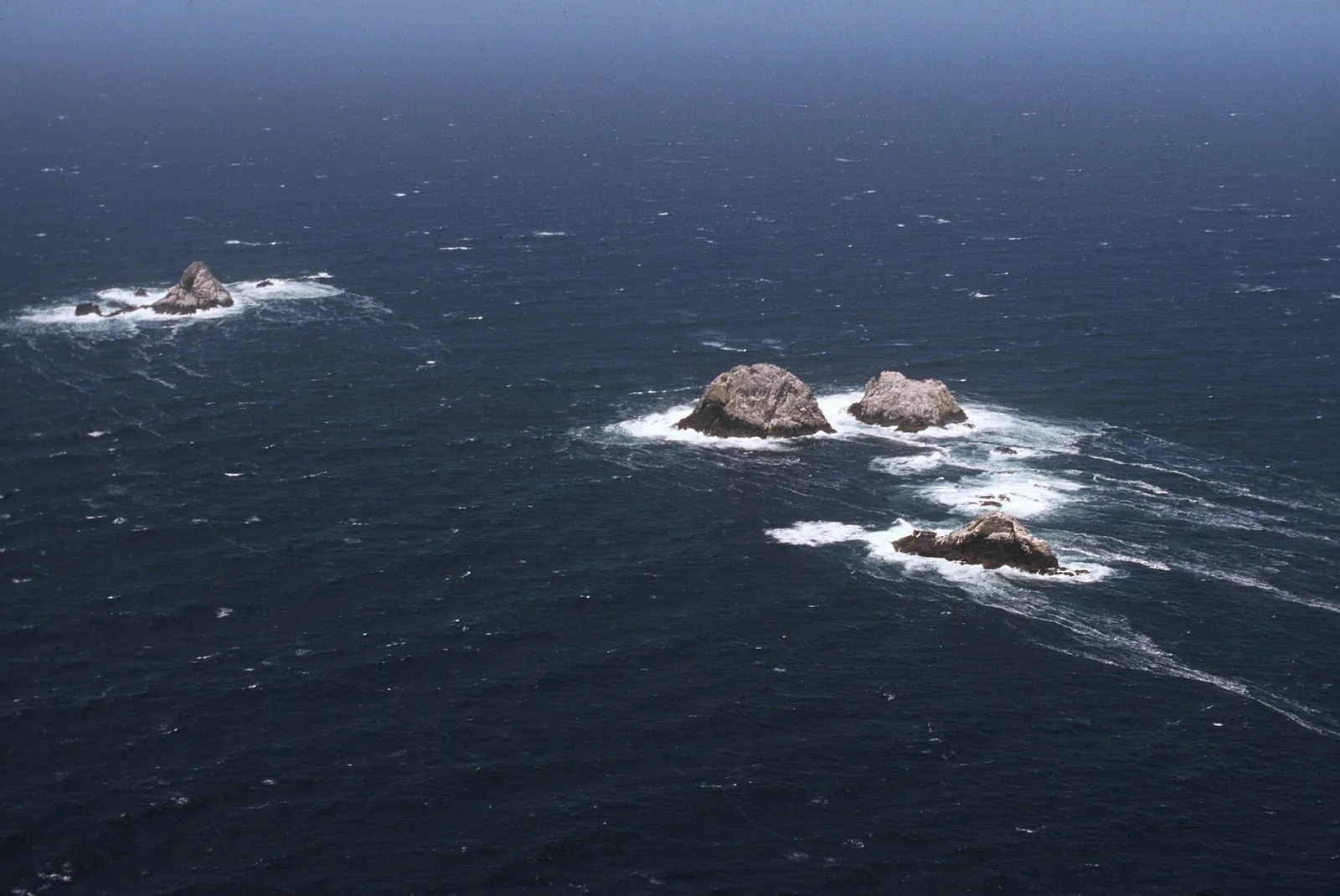
For serious whale watching, the nonprofit Oceanic Society runs all-day trips to the Farallon Islands, about 27 miles offshore. As of November 2026, its Farallon Islands trip starts at $320 and runs on Saturdays and Sundays from April to November, with check-in at 8 am, departure at 8:30 am and return around 4:30 pm. Trips leave from the San Francisco Yacht Harbor in the Marina, at 3950 Scott Street, with free parking on site.
The boat, the 60-foot Salty Lady, carries about 33 passengers, fewer than its legal limit, and every trip has a whale expert, a seabird expert and a photographer who shares free photos afterward. Oceanic Society says it has a 96% chance of seeing whales from April to November, based on 40 years of sightings data. The minimum age is 10, and coffee and tea are provided, but you bring your own food.
The open ocean beyond the Golden Gate can be rough. If you’re prone to seasickness, take precautions before you go.
Other options
Other tour companies run whale watching trips from Sausalito, Half Moon Bay and other harbors around the Bay Area, and some bay cruises spot humpbacks near the bridge when they’re feeding inside the bay. Compare trip length, boat size and whether there’s a naturalist on board. Our Sausalito day trip guide covers that side of the bay.
Best places to watch whales from shore
You don’t need a boat to see whales, especially during the gray whale migration. Bring binoculars, look for spouts and be patient.
Lands End
The cliffs at Lands End, in the city’s northwest corner, look out over the entrance to the bay and the open ocean. It’s a good spot to watch for humpbacks feeding near the Golden Gate. See our Lands End trail guide.
The Golden Gate Bridge
When humpbacks feed inside the bay, people often watch them from the bridge’s east sidewalk or from Fort Point and Crissy Field below. See our Golden Gate Bridge guide for access.
Point Bonita and the Marin Headlands
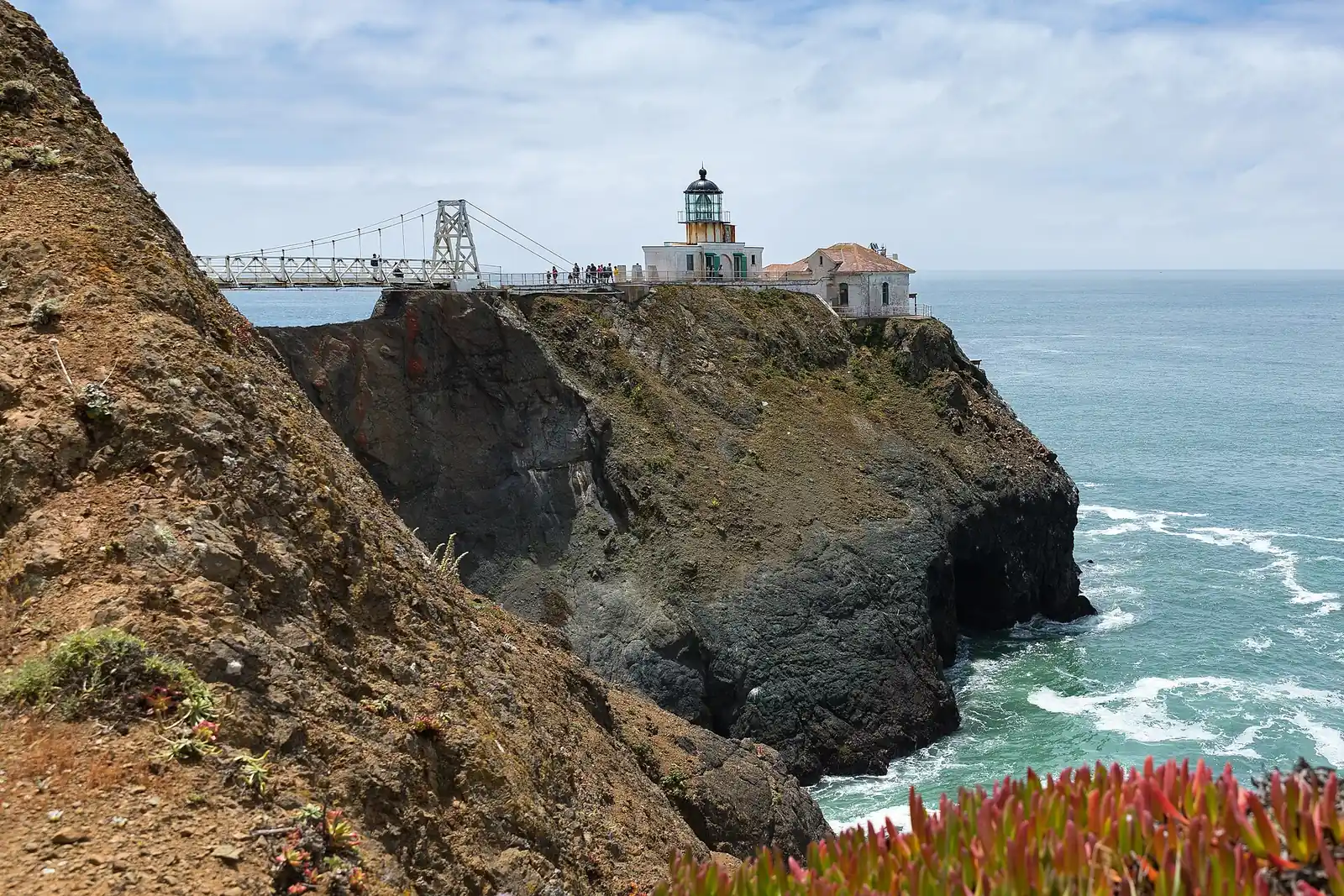
The headlands across the bridge have high viewpoints over the ocean. Point Bonita Lighthouse, at the tip of the headlands, is a dramatic spot, though the lighthouse itself has limited open hours.
Point Reyes
Point Reyes National Seashore, about an hour and a half north of the city, is one of the best places in California to watch gray whales during the winter migration. The Point Reyes Lighthouse sits at the bottom of more than 300 steps, and the stairs and visitor center are open only on certain days. The National Park Service has run a winter shuttle in past years, but it was listed as suspended when we checked, so plan to drive. Check the Point Reyes lighthouse page before you go.
Down the coast
South of the city, the coast along Highway 1 near Pacifica, Devil’s Slide and Half Moon Bay has cliffs and overlooks where you can watch for migrating whales.
What to bring and wear
- Warm, waterproof layers. It’s colder and windier on the water than in the city, even on sunny days. Hats and gloves help.
- Nonslip shoes. Decks get wet.
- Binoculars and a camera with a zoom lens.
- Sunscreen and sunglasses. Glare off the water is strong.
- Seasickness remedies. Talk to your doctor or pharmacist ahead of time. Take them before you board, not after you feel sick.
- Snacks and water, especially for long trips.
Our what to pack for San Francisco guide has more on dressing for the city’s weather.
How to spot a whale
Spotting whales takes a little practice, on a boat or from a cliff. Here’s what to look for.
Spouts
The first sign is usually a spout, a puff of mist that rises when a whale breathes out at the surface. On a calm day you can see spouts from a long way off. Humpback spouts look bushy, and gray whale spouts are often heart-shaped when seen from behind.
Backs and flukes
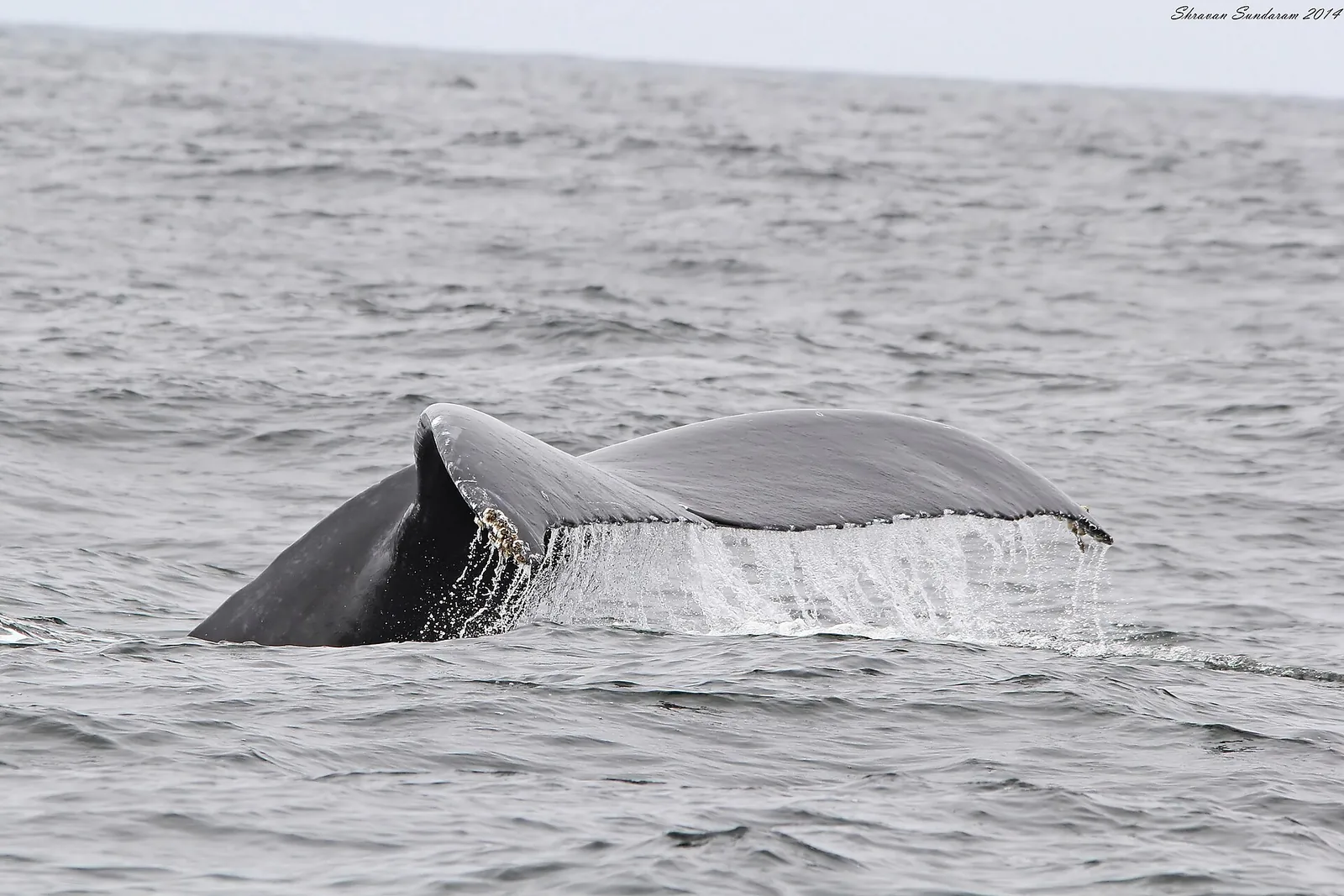
After the spout, look for a dark back rolling through the water. When a humpback dives deep, it often lifts its tail flukes into the air. The pattern on the underside of each humpback’s tail is unique, and researchers use photos of flukes to identify individual whales. Oceanic Society shares its photos with researchers for this reason.
Birds and splashes
Groups of diving seabirds can mean there’s a school of fish or krill below, and whales may be feeding nearby. Big splashes might be a whale breaching or slapping its fins or tail on the water.
Scan slowly
Sweep the water slowly with your eyes first, then use binoculars once you see something. Calm, overcast mornings are often easier than bright, choppy afternoons.
Making a day of it
A Pier 39 tour pairs easily with lunch at Fisherman’s Wharf and a stop at the sea lions on K-Dock. See our Fisherman’s Wharf guide for ideas. After a Farallon trip from the Marina, you’ll be close to Marina Green, Fort Mason and Chestnut Street restaurants. Our Marina District guide covers the area. Expect to be tired and windburned after eight hours on the water, so keep the evening plans simple.
Tips for a better trip
Book a morning trip
Mornings are often calmer on the water, before afternoon winds pick up. Check the forecast the day before.
Watch the weather
Trips usually run rain or shine, but high winds or big swells can cancel them. Operators notify passengers if a trip is canceled.
Stand outside
The best views come from the open deck. Find a spot near the rail and stay there when whales are sighted.
Respect the whales
Federal guidelines ask boats to keep their distance from whales. San Francisco Whale Tours says it stops about 300 feet away and lets the whales come to it. Don’t expect to get right next to a whale.
Bring kids prepared
Long trips can be hard for young kids, and the Farallon trip has a minimum age of 10. The shorter Golden Gate tour is a better fit for families.
Traveling down the coast? Our sister site San Diego Updates covers gray whale watching in Southern California, where the whales pass by in winter too.
Frequently asked questions
When is whale watching season in San Francisco?
Humpbacks are most common from spring through fall and sometimes into winter. Gray whales pass by on their migration from about December through May. You can see whales off San Francisco in most months.
How much does whale watching cost in San Francisco?
As of November 2026, San Francisco Whale Tours lists its 2.5-hour Golden Gate Whale Watch at $120 for adults, with sale prices often lower. Oceanic Society’s all-day Farallon Islands trip starts at $320.
Can you see whales from the Golden Gate Bridge?
Sometimes. When humpback whales feed inside the bay, they can be seen from the bridge, Fort Point and Crissy Field. Lands End is another good spot.
Where do whale watching tours leave from in San Francisco?
San Francisco Whale Tours leaves from Pier 39 at Fisherman’s Wharf. Oceanic Society’s Farallon trips leave from the San Francisco Yacht Harbor in the Marina District.
Will I get seasick on a whale watching trip?
It’s possible, especially on longer trips outside the Golden Gate. Take motion sickness precautions before boarding, stay on deck in the fresh air and look at the horizon.
Photo credits
Featured image: Greg Schechter from San Francisco, USA / Wikimedia Commons, CC BY 2.0; Humpbacks feed along the California coast in summer and fall: Shravans14 / Wikimedia Commons, CC BY-SA 4.0; The Farallon Islands, about 27 miles offshore: Common Murre Restoration Project, U.S. Fish and Wildlife Service / Wikimedia Commons, Public domain; Point Bonita Lighthouse, a good shore spot: Frank Schulenburg / Wikimedia Commons, CC BY-SA 4.0.