
The Marina is a flat, pastel-colored waterfront neighborhood between Fort Mason and the Presidio, with some of the best Golden Gate Bridge views in the city. It was built on landfill for the 1915 Panama-Pacific International Exposition, and today it is known for its open green spaces along the bay, its jogging and picnic culture and the restaurants and bars of Chestnut Street.
Quick answer
The Marina District is a flat, sunny-when-clear waterfront neighborhood between Fisherman’s Wharf and the Presidio. Walk the Marina Green and Crissy Field for Golden Gate Bridge views, see the Palace of Fine Arts and the Wave Organ, shop and eat on Chestnut and Union streets, and explore Fort Mason’s arts center. It is lively on weekends and easy to reach by Muni bus.
In this guide
- Marina Green and the waterfront
- Palace of Fine Arts
- Chestnut Street and Union Street
- Fort Mason
- Getting there and tips
- A short history of the Marina
- A Marina walking route
- The Wave Organ
- Fort Mason Center
- Food and nightlife
- Fleet Week in the Marina
- Staying in the Marina
- Weather in the Marina
- Frequently asked questions
This guide is part of our San Francisco neighborhood guide.
Marina Green and the waterfront
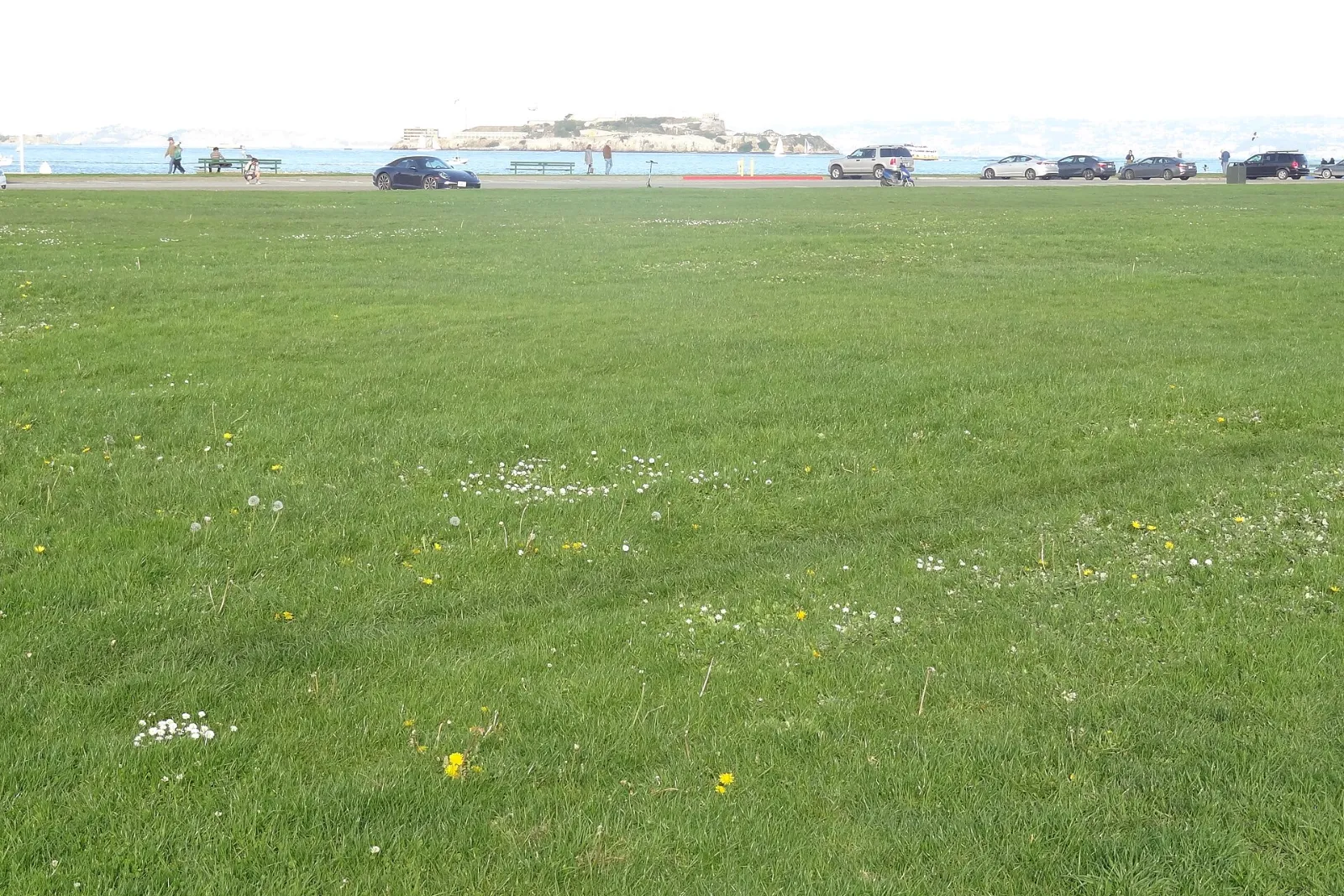
Marina Green is a long lawn along the bay, popular for picnics, kite flying, volleyball and running, with the Golden Gate Bridge on one side and Alcatraz on the other. The path continues west to Crissy Field and the bridge, and east to Fort Mason.
At the end of the jetty by the yacht harbor, the Wave Organ is a quirky sound sculpture made of pipes and salvaged granite that hums with the tides. It is best at high tide.
Palace of Fine Arts

The domed Palace of Fine Arts, the only major survivor of the 1915 exposition, stands beside a lagoon at the western edge of the Marina. It is free and one of the most photographed spots in the city. See our Palace of Fine Arts guide.
Chestnut Street and Union Street
Chestnut Street is the Marina’s main street, with boutiques, fitness studios, cafés, brunch spots and bars that are lively on weekend nights. Nearby Union Street in Cow Hollow has more restaurants and shops in restored Victorian buildings.
Fort Mason
Fort Mason Center, a former Army post at the eastern end of the Marina, hosts galleries, theaters, festivals and events in its historic piers and warehouses. The Great Meadow above it is a lovely spot for views and picnics.
Getting there and tips
The 30 Stockton bus runs from Union Square and North Beach to Chestnut Street, and the 22 Fillmore and 43 Masonic also serve the area. The Marina can be foggy and windy, especially in summer afternoons, so bring a layer. Like much of the waterfront, it was built on landfill and was badly damaged in the 1989 Loma Prieta earthquake.
Official resources: Fort Mason Center, Wave Organ (Exploratorium).
A short history of the Marina
Much of the Marina is built on landfill. Before 1915, the area was a tidal marsh and cove. For the Panama-Pacific International Exposition, the city filled in the shoreline to create a site for the fair’s grand palaces. After the fair, most buildings came down, the Palace of Fine Arts was saved, and the land was developed into homes in the 1920s and 1930s, many in Mediterranean and Art Deco styles.
Because it sits on fill, the Marina was hit hard in the 1989 Loma Prieta earthquake, when the soil liquefied and several buildings collapsed or burned. It has since been rebuilt and retrofitted.
A Marina walking route
Start at Fort Mason, then walk west along the waterfront past the yacht harbor to the Marina Green. Continue to the Wave Organ at the tip of the jetty, then walk inland to the Palace of Fine Arts. Finish on Chestnut Street for lunch or a drink. If you have energy, keep going west along Crissy Field toward the Golden Gate Bridge. The whole route is flat and takes two to three hours with stops.
The Wave Organ
The Wave Organ is a sound sculpture at the end of the jetty by the Marina yacht harbor. Pipes set into the water carry the sound of the waves up to listening points made from old granite and marble, including stones from a demolished cemetery. The sounds are subtle, so visit at high tide for the best effect, and sit quietly to listen. It also has great views of the city and the Golden Gate Bridge.
Fort Mason Center
Fort Mason was a military post and a key embarkation point for troops during World War II. Today Fort Mason Center for Arts and Culture uses the old piers and warehouses for theaters, galleries, festivals, a farmers market and events. Greens, the long-running vegetarian restaurant, looks out over the harbor. The Great Meadow above the center is a lovely spot for a picnic with views of Alcatraz.
Food and nightlife
Chestnut Street is the Marina’s main street, with cafés, brunch spots, boutiques, fitness studios and bars. Nearby Union Street, in Cow Hollow, has more shops and restaurants in Victorian buildings. The Marina is known for a young, social crowd, and bars get busy on weekend nights. See our best brunch guide and best bars guide.
Fleet Week in the Marina
During Fleet Week in October, the Marina Green is one of the main viewing spots for the Blue Angels air show. It gets very crowded, so arrive early, bring layers and sunscreen and take transit. The neighborhood’s restaurants and bars are packed that weekend.
Staying in the Marina
The Marina has a strip of motels and small hotels along Lombard Street, which can be good value and often include parking. It is a pleasant, residential base close to the waterfront, the Presidio and the Golden Gate Bridge, but it is farther from downtown and BART. See our where to stay guide.
Weather in the Marina
The Marina is close to the Golden Gate, so it gets wind and fog, especially on summer afternoons. Mornings are often clearer for bridge views. Fall is usually the sunniest season. Bring layers. Our weather by month guide explains the patterns.
Frequently asked questions
What is the Marina District known for?
Golden Gate Bridge views, Marina Green, the Palace of Fine Arts and the bars and restaurants on Chestnut Street.
Is the Marina a good place to stay?
It is a pleasant, safe-feeling residential area, but farther from downtown and transit than Union Square.
What is the Wave Organ?
An acoustic sculpture at the end of the Marina jetty that makes sounds with the movement of the water.
How do you get to the Marina from downtown?
Take the 30 Stockton bus from Union Square or North Beach.
Is the Marina District built on landfill?
Yes. Much of the Marina was built on landfill created for the 1915 Panama-Pacific International Exposition, which is why it was badly damaged in the 1989 earthquake.
What is Fort Mason Center?
Fort Mason Center for Arts and Culture is a former military post on the Marina waterfront, now home to theaters, galleries, festivals, restaurants and a farmers market.
Is the Marina good for watching the Fleet Week air show?
Yes. The Marina Green is one of the most popular viewing spots for the Blue Angels during Fleet Week. Arrive early, because it gets very crowded.
Is the Marina walkable?
Yes. The Marina is flat and very walkable, with a waterfront path that connects Fort Mason, the Marina Green, the Palace of Fine Arts and Crissy Field.
Photo credits
Featured image: Simon Cobb / Wikimedia Commons, CC0; Palace of Fine Arts: King of Hearts / Wikimedia Commons, CC BY-SA 4.0.