Living · Hub guide
Living in San Francisco
What it is like to live in San Francisco, with an overview of neighborhoods, housing, getting around without a car, the climate and practical tips for moving here.
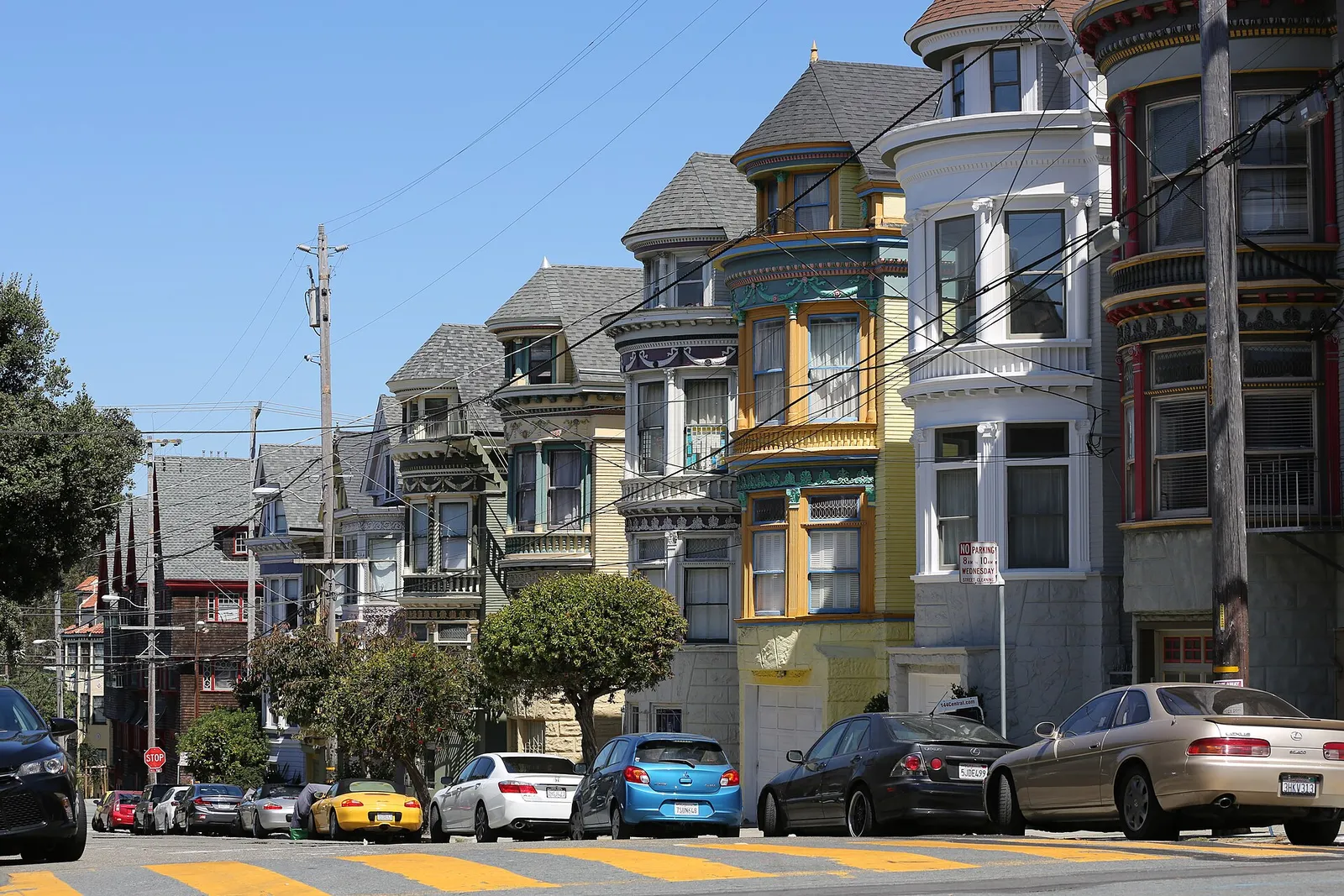
Living in San Francisco at a glance
- Housing Among the most expensive markets in the United States
- Renting Most residents rent. Many older buildings are covered by rent control
- Getting around Many residents live without a car
- Climate Mild all year, with microclimates by neighborhood
- Big employers Tech, health care, finance, tourism, government
- Be ready for Earthquakes. Keep an emergency kit at home
In this guide
San Francisco is a small, dense city. People move here for work, for the food and culture, for the outdoors and for the mild weather. They also have to plan around high housing costs and a city that can change a lot from one block to the next.
This page gives an overview for anyone thinking about moving here. For visitor information, see the San Francisco visitors guide. For a closer look at each area, read the neighborhood guide.
Neighborhoods for living
| Neighborhood | What it is like |
|---|---|
| Noe Valley | Quiet, sunny and family-friendly, with a small main street |
| Inner Sunset | Close to Golden Gate Park and UCSF, good restaurants |
| Outer Richmond and Sunset | Quieter, foggier, near the ocean, more space for the money |
| Mission | Lively, sunny, central, lots of food and nightlife |
| Marina and Cow Hollow | Popular with young professionals, near the bay |
| Bernal Heights | Village feel, a hilltop park, good for dog owners |
| SoMa and Mission Bay | Newer apartment towers, close to downtown jobs |
| Pacific Heights | Grand houses, views, high prices |
Housing and costs
Housing is the biggest expense. San Francisco has some of the highest rents and home prices in the country, and most residents rent. Many apartments in older buildings are covered by the city’s rent control rules, which limit yearly increases for existing tenants. The San Francisco Rent Board explains the rules.
Everyday costs such as groceries, dining out and child care are also higher than the national average. Check current listings and cost of living data before you set a budget.
Getting around without a car
Many San Franciscans don’t own a car. Muni covers the whole city, BART connects to the East Bay, the Peninsula and the airport, and Caltrain runs down the Peninsula to San Jose. Bike lanes and bike share are growing. If you do keep a car, look for housing with parking, since street parking is hard to find in many areas. Our getting around guide covers fares and passes.
Weather and microclimates
The climate is mild all year, but it changes across the city. The western neighborhoods near the ocean are cooler and foggier, especially in summer. The Mission, Potrero Hill and Bernal Heights are often sunnier and warmer. Most homes don’t have air conditioning. See San Francisco weather by month for averages.
Work and the economy
Technology is the best-known industry, with many companies based in SoMa, the Financial District and Mission Bay. Health care, finance, tourism, education and city government are also large employers. Many people commute to jobs elsewhere in the Bay Area.
Practical tips for new residents
- Prepare for earthquakes. Keep water, food, a flashlight and medicine at home, and sign up for AlertSF emergency alerts.
- Learn the street cleaning schedule for your block if you park on the street.
- Never leave belongings visible in a parked car.
- Explore beyond your own neighborhood. The parks, beaches and hills are a big part of life here.
Frequently asked questions
Is San Francisco expensive to live in?
Yes. Housing costs are among the highest in the United States, and everyday costs are above average.
What are the best neighborhoods to live in San Francisco?
It depends on your needs. Noe Valley and the Inner Sunset are popular with families, the Mission and the Marina with younger residents, and the Richmond and Sunset with people who want more space.
Do you need a car to live in San Francisco?
No. Many residents get by with Muni, BART, biking and walking.
Does San Francisco have rent control?
Yes. Many units in older buildings are covered by the city’s rent ordinance. Check with the Rent Board for a specific unit.
More guides
- San Francisco neighborhood guide
- Getting around San Francisco
- San Francisco weather by month
- Outdoor activities in San Francisco
- Free things to do in San Francisco
Photo credits
Featured image: Tobias Kleinlercher / Wikimedia Commons, CC BY-SA 3.0.