
Yes, San Francisco is generally safe for visitors, and most trips go off without a problem. The crimes tourists are most likely to run into are car break-ins, phone snatching and pickpocketing, not violence, and reported crime has dropped in 2026. According to SFPD’s September 2026 CompStat report, total serious crimes were down 18% year to date, and thefts from vehicles were down 36%.
In this guide
- At a glance
- What the 2026 crime numbers say
- Car break-ins: the number one risk
- Phones, bags and pickpockets
- Neighborhoods and areas to know
- Is public transit safe?
- Safety at night
- Homelessness and street conditions
- Natural hazards
- Solo, women and LGBTQ travelers
- If something goes wrong
- Smart habits for a safe trip
- Frequently asked questions
This guide is part of our San Francisco visitors guide hub. Crime figures are from SFPD’s preliminary data as of the September 2026 report and can be revised.
At a glance
| Question | Short answer (as of November 2026) |
|---|---|
| Is San Francisco safe for tourists? | Generally yes, with normal big-city care |
| Most common problem for visitors | Car break-ins and property theft |
| Crime trend | Down in 2026: total serious crime down 18% year to date through September |
| Areas to take extra care | The Tenderloin, parts of Mid-Market and SoMa, and around some BART stations at night |
| Is transit safe? | Yes, during the day and evening; stay alert late at night |
| Emergency number | 911 |
| Biggest natural risks | Cold ocean water and strong currents, earthquakes, steep hills |
What the 2026 crime numbers say
San Francisco’s reputation has taken a beating in the news, but the city’s own data tells a calmer story this year. SFPD’s CompStat report for September 2026 compares crime from January through September 2026 with the same period in 2025:
| Crime category | Year to date 2025 | Year to date 2026 | Change |
|---|---|---|---|
| Total violent crimes | 3,097 | 2,800 | Down 10% |
| Robbery | 1,276 | 1,034 | Down 19% |
| Homicide | 19 | 18 | Down 5% |
| Theft from vehicles (car break-ins) | 4,346 | 2,787 | Down 36% |
| Burglary | 2,949 | 2,293 | Down 22% |
| Motor vehicle theft | 2,421 | 1,879 | Down 22% |
| Total serious (Part 1) crimes | 21,763 | 17,878 | Down 18% |
The data is preliminary and gets revised, but the direction is clear. Property crime, the kind that affects visitors most, fell faster than violent crime. Violent crime in San Francisco tends to be concentrated in specific areas and often involves people who know each other, so the risk to a typical tourist is low.
That doesn’t mean you should switch off. Thousands of cars are still broken into each year, and phones get grabbed on busy streets. A few habits go a long way.
Car break-ins: the number one risk
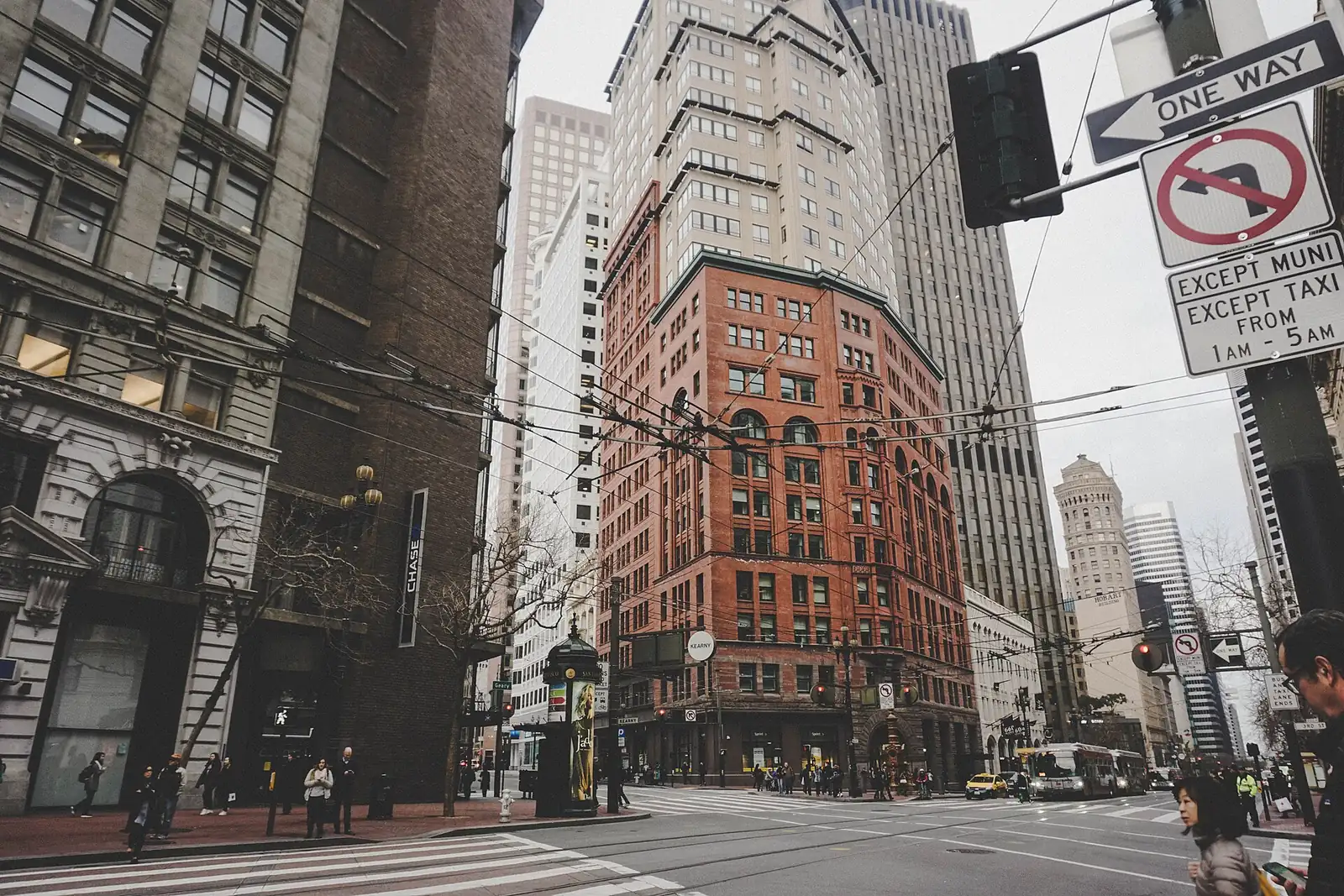
If you’re driving, car break-ins are the crime you’re most likely to face. Thieves smash a window in seconds, and they target rental cars and cars parked at viewpoints, near tourist spots and in neighborhoods with lots of visitors.
How to protect yourself:
- Leave nothing in the car, not even a jacket, a charging cable or an empty bag. Thieves break in for things that might hold something valuable.
- Don’t move bags into the trunk after you park. People watch parking lots for exactly that. Put things away before you arrive, or take them with you.
- Use a staffed or secure garage when you can, especially overnight.
- Be extra careful at the Painted Ladies, Twin Peaks, Lands End, the Golden Gate Bridge lots, Fisherman’s Wharf and Lombard Street.
- Think about not renting a car at all. Most of San Francisco is easy to see on foot, Muni, BART and cable cars.
Our parking in San Francisco guide covers garages and more break-in prevention.
Phones, bags and pickpockets
Phone snatching happens most on crowded streets and transit, especially near doors where a thief can grab and run as the doors close. Keep your phone in your hand only when you need it, and step into a doorway or against a wall to check maps.
Pickpocketing is less common than in some European cities, but it happens in crowds at Union Square, on cable cars, at Pier 39 and on packed Muni trains. Use a cross-body bag that zips, keep your wallet in a front pocket and don’t hang a bag on the back of a chair at outdoor cafes.
Neighborhoods and areas to know
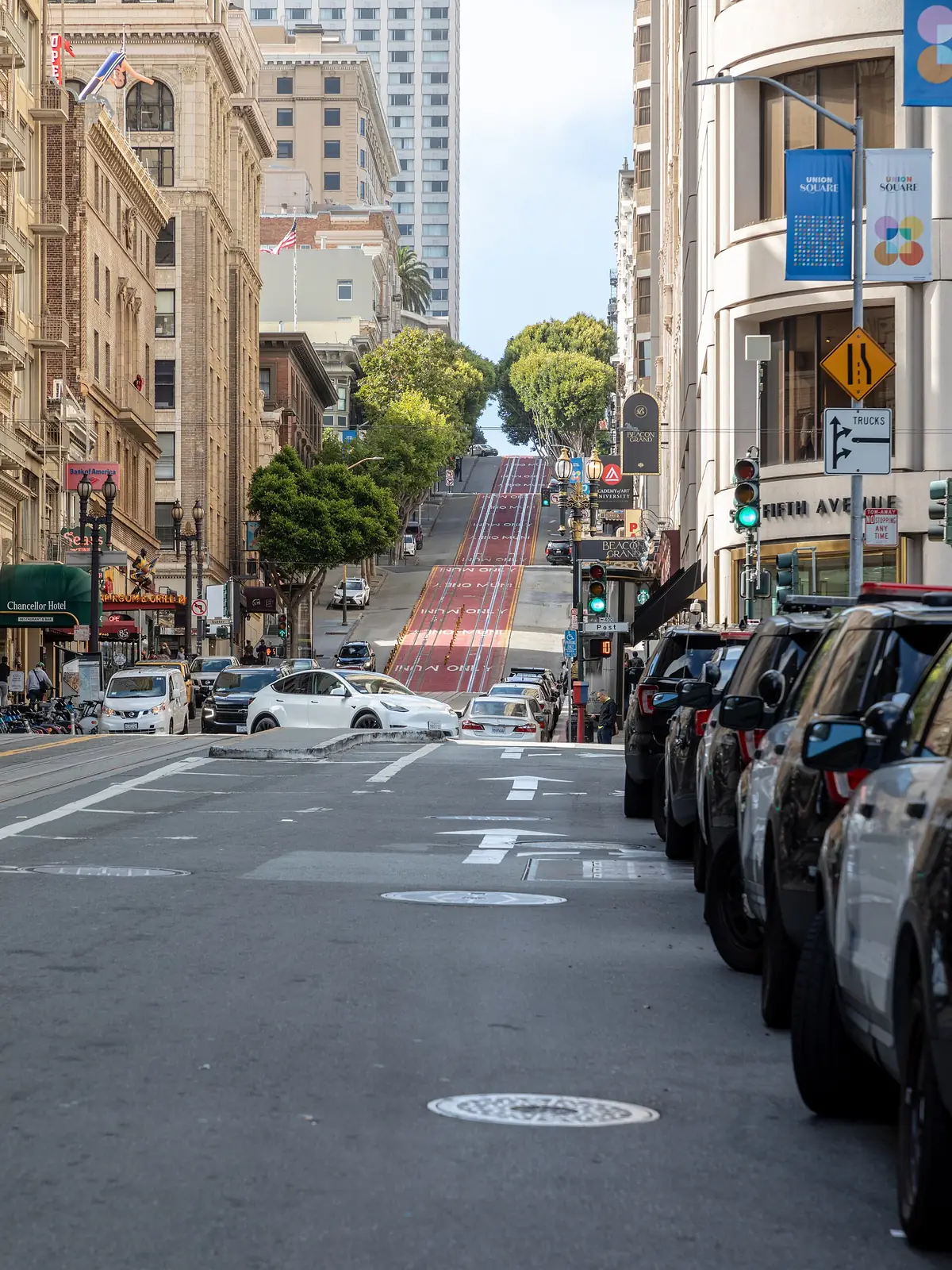
Most of the places visitors go, including Fisherman’s Wharf, North Beach, the Marina, Golden Gate Park, the Presidio, Hayes Valley, Noe Valley and the Mission’s main shopping streets, are busy and fine day and night with ordinary care.
A few areas call for more attention, especially after dark:
The Tenderloin
The Tenderloin sits between Union Square and Civic Center, roughly bounded by Geary, Market, Van Ness and Mason streets. It has some of the city’s best cheap food and a lot of history, but it also has open drug use, street homelessness and more crime than surrounding neighborhoods. Walking through during the day is generally fine if you stay alert. At night, take Muni or a rideshare instead of walking through it, even for short distances.
Mid-Market and parts of SoMa
Market Street between roughly Fifth Street and Van Ness Avenue has improved in places but can still feel rough, especially at night. The same goes for some blocks of SoMa near Sixth Street. Stick to busy streets and use transit for longer stretches.
Around some BART stations
The plazas around Civic Center and 16th Street Mission BART stations can be chaotic. Move through them with purpose, and don’t linger with your phone out.
For a full rundown of the city’s areas, see our San Francisco neighborhood guide and where to stay hub, which flags which hotel areas feel best at night.
Is public transit safe?
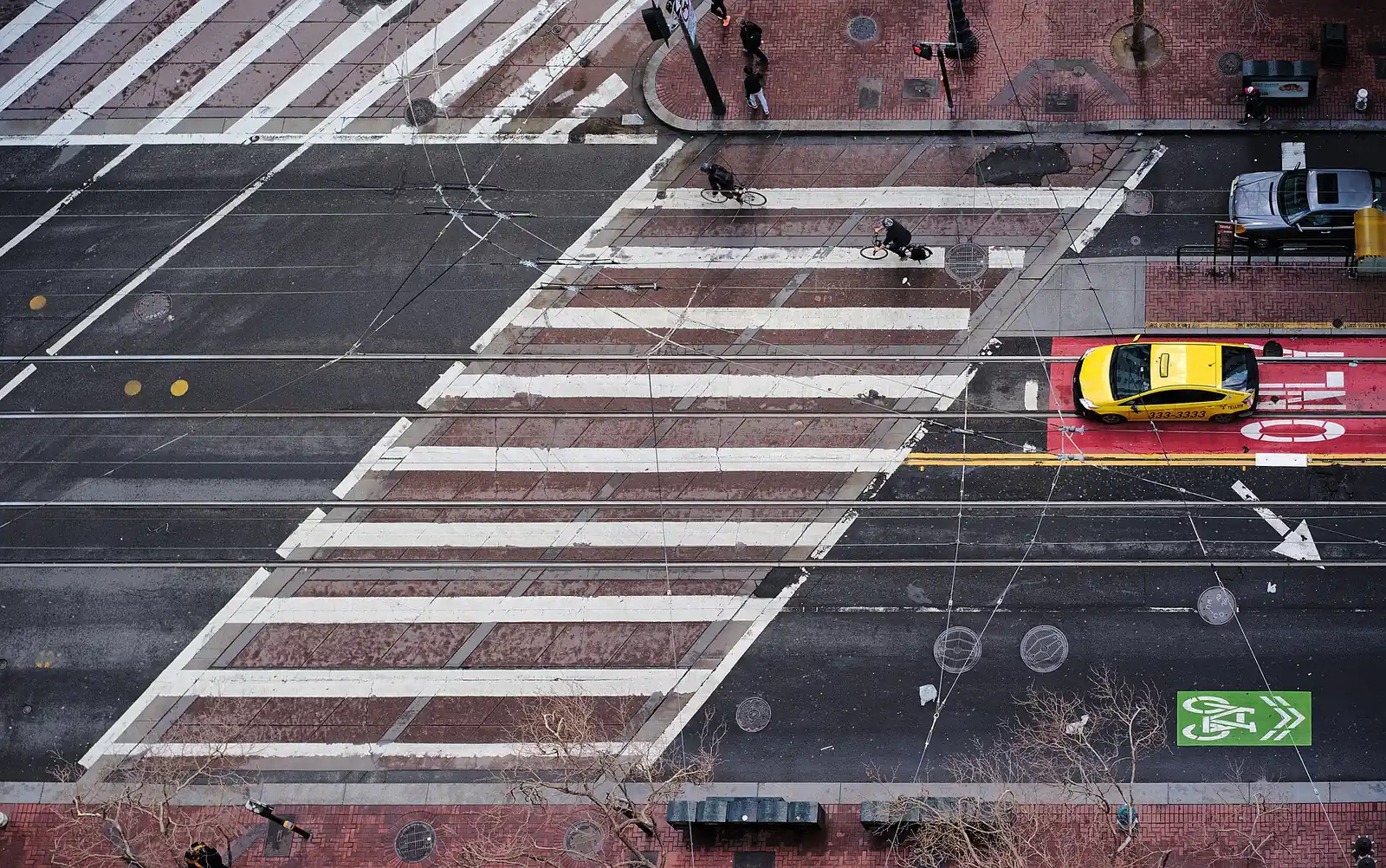
Yes. Muni, BART and the cable cars carry hundreds of thousands of people a day, and serious incidents are rare. Ride in the first car of BART trains, near the operator, if you feel uneasy late at night. On Muni buses, sit near the front. Keep your phone and bag close, especially by the doors.
BART and Muni both let you report problems. BART has its own police department and a BART Watch app for reporting problems, and you can call 911 in an emergency. Our BART guide and Muni guide cover routes and late-night service.
Safety at night
San Francisco’s nightlife areas, such as North Beach, the Mission’s Valencia Street, the Marina’s Chestnut Street and Hayes Valley, are busy and lively until late. Stick to well-lit streets with people around, go out with friends when you can and plan your ride home before the night starts. Our things to do at night guide has ideas.
Rideshare and taxis are easy to find in most neighborhoods. Check the license plate and driver name before you get in, and sit in the back.
Homelessness and street conditions
You’ll see people living on the street in San Francisco, especially downtown and in the Tenderloin. Most aren’t a threat to visitors. If someone asks for money, a polite “sorry” and keep walking is fine. If you see someone who needs medical help, call 911. For non-emergencies like a tent blocking a sidewalk or needles, the city’s 311 service takes reports by phone, app or online.
Natural hazards
Cold water and strong currents
San Francisco’s ocean beaches look inviting, but the water is cold year-round, and Ocean Beach in particular has strong rip currents and big waves. Don’t swim there, and keep kids and dogs away from the water’s edge at high surf. Sneaker waves can hit without warning.
Earthquakes
The Bay Area has earthquakes. Most are small and many go unnoticed. If you feel strong shaking, drop, cover and hold on: get under a sturdy table or against an inside wall and protect your head. Stay away from windows. Many visitors install the free MyShake app from the state of California, which can send early warnings.
Hills and cable cars
The hills are steep, and sidewalks can be slippery in fog or rain. Wear good shoes. On cable cars, hold on tight and watch for traffic when you get on and off in the street. Our cable car guide explains how to ride safely.
Solo, women and LGBTQ travelers
San Francisco is one of the most welcoming cities in the country for LGBTQ travelers, and the Castro is a world-famous gay neighborhood. Solo travelers and women traveling alone generally find the city easy to get around. The usual city rules apply: stay in busy areas at night, watch your drink, keep someone informed of your plans and use a rideshare if you’re unsure of a route. Our Castro District guide covers the neighborhood.
If something goes wrong
If you’re in danger or see a crime in progress, call 911. If your car is broken into or something is stolen and no one is hurt, you can usually file a report with SFPD online for certain property crimes, which you may need for insurance or a rental car company. Take photos of the damage first.
If you lose your passport, contact your country’s consulate in San Francisco. Many countries have one in the city. For lost items on Muni or BART, each agency runs a lost and found.
Call your bank right away if a card is stolen, and lock it in your banking app if you can. Report a stolen phone to your carrier and use your phone’s find-my-device feature, but don’t try to track down a thief yourself.
Smart habits for a safe trip
- Save 911 for emergencies, and look up SFPD’s non-emergency number before you travel.
- Share your plans with someone, especially if you’re traveling solo.
- Keep copies of your passport and cards in your email or a secure app.
- Use hotel safes for passports and extra cash.
- Don’t leave drinks unattended in bars.
- Trust your gut. If a street feels wrong, cross over or call a ride.
For more practical advice, see our first-time in San Francisco tips and tourist traps to avoid.
Planning a California road trip after San Francisco? Our sister site San Diego Updates covers Southern California’s other big coastal city.
Frequently asked questions
Is San Francisco safe for tourists in 2026?
Generally, yes. Reported crime is down in 2026, with SFPD’s September report showing serious crime down 18% year to date. The main risks for visitors are car break-ins and property theft, so keep your car empty and your phone close.
What part of San Francisco should you avoid at night?
Take extra care in the Tenderloin, on Market Street between roughly Fifth Street and Van Ness, around parts of Sixth Street in SoMa and near some BART station plazas. Use transit or rideshare rather than walking through these areas at night.
Are car break-ins still a problem in San Francisco?
They’re less common than they were, down 36% year to date in 2026 according to SFPD, but they still happen. Never leave anything visible in your car.
Is BART safe at night?
BART is generally safe, but stay alert late at night. Ride in the first car near the operator, keep your phone close and call 911 in an emergency.
Is Union Square safe?
Union Square is busy and generally safe during the day and evening. It’s close to the Tenderloin, so plan your route if you’re walking west or southwest at night.
Photo credits
Featured image: Anurag Arora / Wikimedia Commons, CC0; Powell Street, one of the busiest visitor streets: Dietmar Rabich / Wikimedia Commons, CC BY-SA 4.0; Crossing Market Street at Third: Dllu / Wikimedia Commons, CC BY-SA 4.0.