
A first trip to San Francisco goes better when you know a few things ahead of time. The weather is cooler than most people expect, the hills are steep, and some of the most popular sights sell out.
In this guide
This guide is part of our San Francisco visitors guide.
Quick facts for first-timers
- Airport SFO, about 30 minutes to downtown on BART
- Muni fare $2.85 with a card, phone or Clipper
- Cable car fare $9, rising to $12 in January 2027
- Weather Cool all year, with foggy summers
- Book early Alcatraz, up to 90 days ahead
Weather and packing
- Bring layers in every season. Summer days near the coast are often in the 50s and 60s, with fog and wind. A warm jacket is useful in July.
- Weather changes across the city. The Mission can be sunny while Ocean Beach is socked in by fog. Check the forecast for the neighborhood you are heading to.
- September and October are the warmest months. See the best time to visit and what to pack.
Getting around
- You do not need a car. Muni, BART, cable cars and walking cover the main sights, and parking is expensive.
- Tap to pay. Muni and BART accept contactless cards and phones, as well as Clipper cards. A Muni fare is good for 120 minutes of travel.
- Take BART from the airport. It runs from SFO to downtown in about 30 minutes for about $11.80.
- Board cable cars at the quieter ends. Lines at the Powell and Market turnaround can be long. Try the California Street line or board the Powell-Hyde line near Fisherman’s Wharf. See our cable car guide.
- Wear good walking shoes. Some streets are very steep, and the best views often come after a climb.
Booking ahead
- Book Alcatraz as soon as you know your dates. Tickets go on sale 90 days ahead and often sell out. Buy only from Alcatraz City Cruises, the official operator. Read our Alcatraz tour guide.
- Reserve Muir Woods parking or the shuttle. Reservations are required for both.
- Check event dates before booking a hotel. Pride, Outside Lands, Fleet Week and big conventions push rates up. See our events calendar.
Safety and practical matters
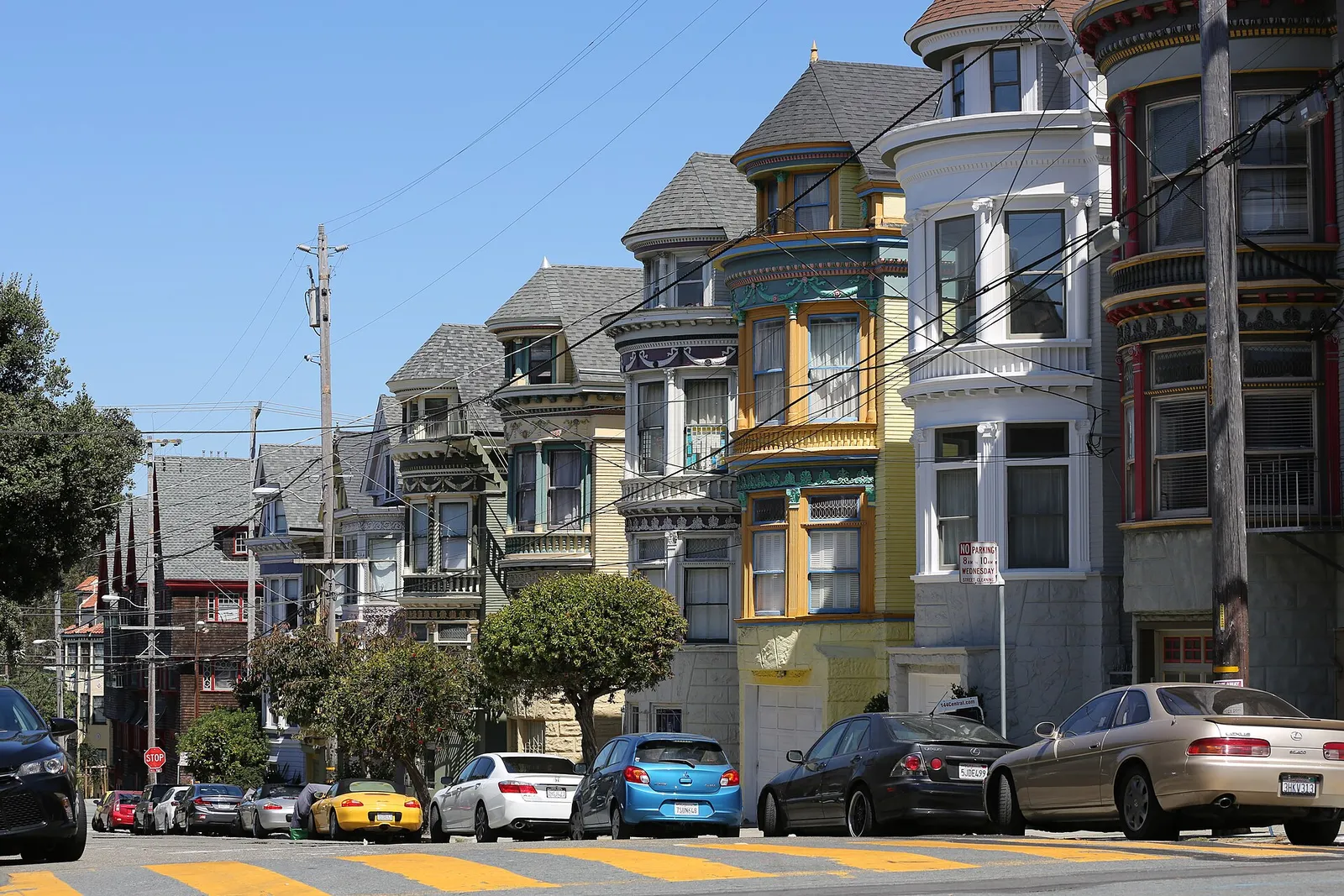
- Never leave anything visible in a parked car. Car break-ins are common in tourist areas, including near the Golden Gate Bridge, Twin Peaks and the Painted Ladies. Take bags with you or leave them at the hotel.
- Watch your belongings on crowded transit and in busy areas, as in any big city.
- Some downtown blocks feel rough. Parts of the Tenderloin and Mid-Market have visible homelessness and drug use. They are a few blocks from Union Square, so check a map before walking at night.
- Expect to tip. Restaurant tips of 18 to 20 percent are normal in the US. Some restaurants also add a surcharge to the bill to cover health care costs for staff. It should be listed on the menu.
Planning your days
- Group sights by area. The waterfront, Pier 39, Fisherman’s Wharf and North Beach sit together. Golden Gate Park and Haight-Ashbury go together, and so do the Presidio and the bridge.
- Do not spend all your time at Fisherman’s Wharf. See it, then head to the neighborhoods. Our tourist traps guide has better options.
- Go to the Golden Gate Bridge early or around midday in summer. Fog often hides it in the morning and evening.
- Use free museum days. Several museums have free days each month. See free museum days.
- Leave time for a neighborhood. The Mission, North Beach, Chinatown and the Haight give you a better sense of the city than the big sights do.
Official resources: San Francisco Travel, SFMTA, BART, Alcatraz City Cruises.
Frequently asked questions
How many days do I need for my first trip?
Three days covers the main sights without rushing. See how many days to spend in San Francisco.
Is San Francisco safe for tourists?
Most visitors have no trouble. The most common problems are car break-ins and petty theft, so keep valuables out of sight and stay aware in crowded areas.
Where should a first-timer stay?
Union Square is central and well connected. Fisherman’s Wharf and North Beach are good alternatives. See where to stay in San Francisco.
Photo credits
Featured image: Dllu / Wikimedia Commons, CC BY-SA 4.0; Safety and practical matters: Tobias Kleinlercher / Wikimedia Commons, CC BY-SA 3.0.