Earthquake preparedness in San Francisco comes down to a few habits: sign up for alerts, learn to drop, cover and hold on, secure heavy furniture and keep enough supplies to manage on your own for several days. The risk is real. The U.S. Geological Survey has estimated a 72% chance of at least one magnitude 6.7 or larger earthquake in the Bay Area between 2014 and 2043. This guide walks through what to do before, during and after, as of November 2026.
In this guide
This guide is part of our living in San Francisco hub.
At a glance
| Step | What to do |
|---|---|
| Get alerts | Text your ZIP code to 888-777 for AlertSF and install the MyShake app |
| During shaking | Drop, cover and hold on. Stay inside until it stops |
| Secure your home | Strap TVs, bookshelves and heavy furniture to walls |
| Know your gas shutoff | Keep a wrench by the valve. Renters, ask your landlord where it is |
| Supplies | Water, food, medications, flashlight, radio, first aid and a go bag |
| Plan | Pick a meeting spot and an out-of-area contact, since cell service may fail |
| Learn | Take free NERT training from the San Francisco Fire Department |
| Official updates | sf.gov/ReadySF and local radio such as KCBS 740 AM and KQED 88.5 FM |
How big is the risk?
San Francisco sits between two of the most active faults in California. The San Andreas Fault runs just offshore along the city’s west side, and the Hayward Fault runs through the East Bay. Other faults crisscross the region.
The USGS has estimated a 72% probability of at least one magnitude 6.7 or larger earthquake somewhere in the Bay Area from 2014 through 2043, and a 33% chance for the Hayward Fault alone in that period. See the USGS fault and probability map. Nobody can predict when the next big one will strike, which is why preparedness matters.
Lessons from 1906 and 1989
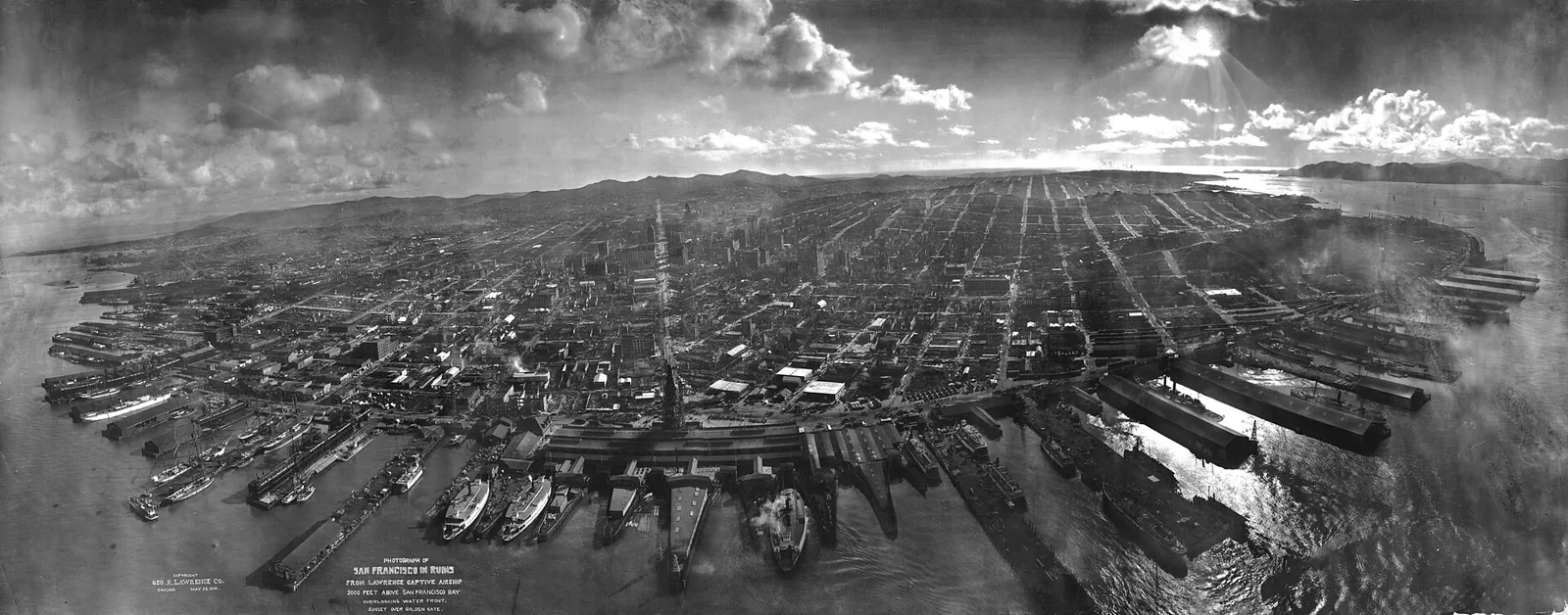
The great earthquake of April 18, 1906, struck just after 5 am and was followed by fires that burned for days. Together they destroyed much of the city and killed thousands of people. Much of today’s San Francisco was rebuilt after it.
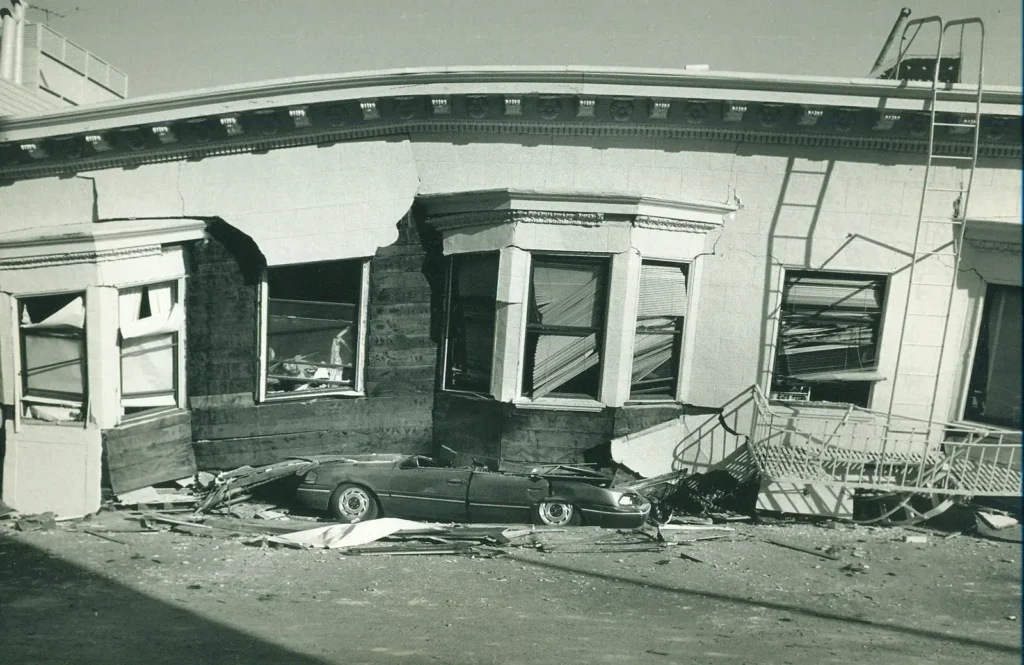
The Loma Prieta earthquake of October 17, 1989, struck at 5:04 pm, just before Game 3 of the World Series at Candlestick Park. It had a magnitude of 6.9 and killed 63 people around the region. A section of the Bay Bridge collapsed, and so did the double-deck Cypress freeway in Oakland.
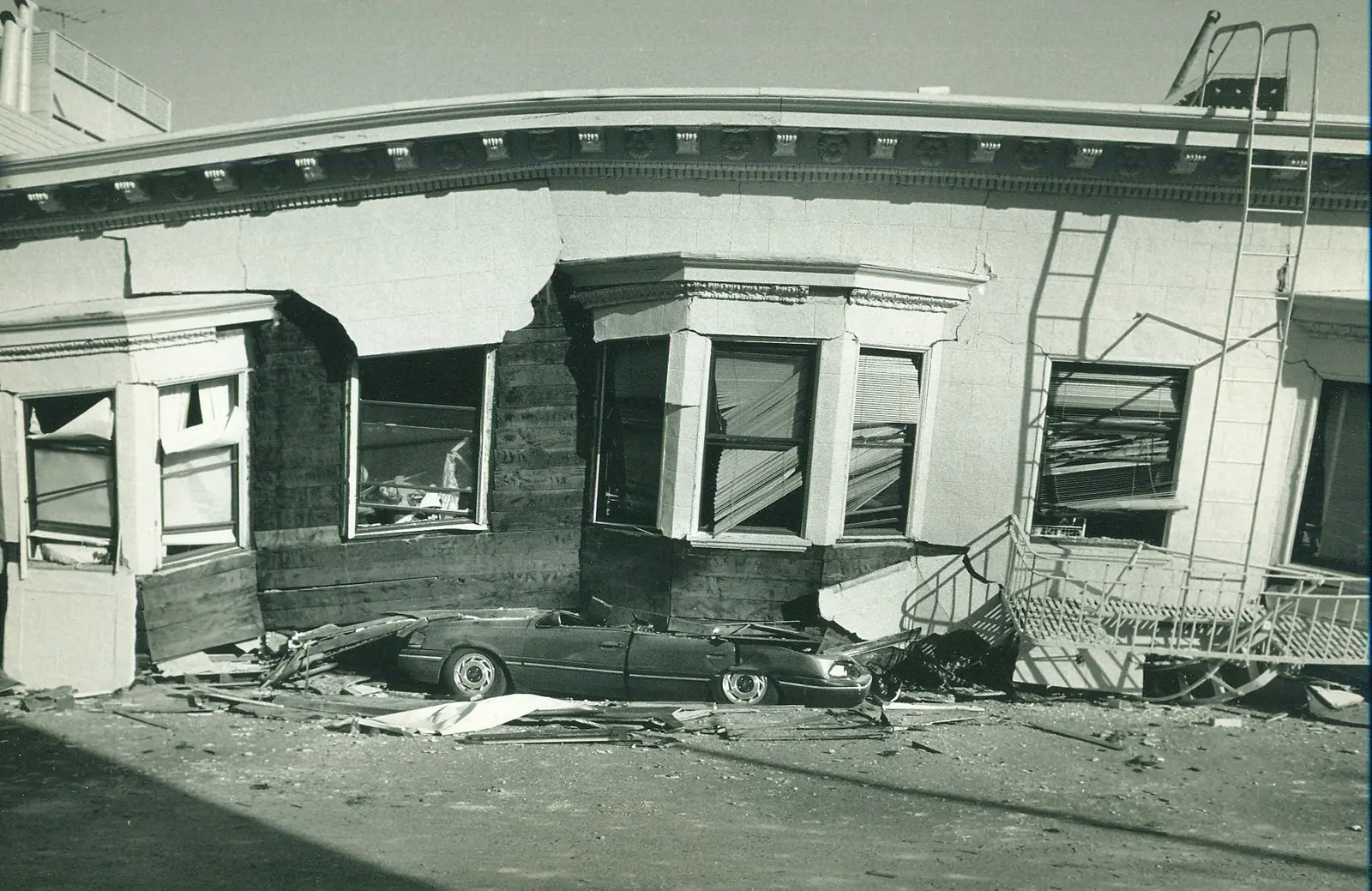
In San Francisco, the Marina District was hit hard. Much of the Marina sits on landfill, and the shaking caused the loose, wet ground to liquefy, toppling buildings and starting fires. Areas on fill and soft soil, including parts of the Marina, South of Market, Mission Bay and the eastern waterfront, generally shake harder than neighborhoods on bedrock. You can check your address on state and city hazard maps.
Sign up for alerts
AlertSF
AlertSF is the city’s official emergency alert service. To sign up, text your ZIP code to 888-777 or visit the AlertSF signup page. You’ll get text messages about emergencies, severe weather and other urgent events.
Earthquake early warning
California’s earthquake early warning system can send an alert to your phone seconds before strong shaking reaches you. Those few seconds are enough to drop, cover and hold on. According to California’s Earthquake Early Warning site, you can download the free MyShake app, which sends alerts for earthquakes of magnitude 4.5 and up, and Android phones in California can also receive alerts automatically. Turn on location services so alerts match where you are. Wireless Emergency Alerts may also arrive for larger quakes.
What about the sirens?
For decades, San Francisco tested 119 outdoor warning sirens every Tuesday at noon. The system was shut down in December 2019 over cybersecurity concerns and was still offline as of 2026, according to a June 2026 Civil Grand Jury report. Don’t count on hearing sirens. Your phone is the main warning system.
What to do during an earthquake
The city’s earthquake page gives this advice.
Drop, cover and hold on
If you’re inside, drop to the ground, take cover under a sturdy table or desk and hold on until the shaking stops. If there’s no sturdy furniture, protect your head and neck with your arms and get into an interior corner. Stay away from windows, glass, outside doors and walls, and anything that could fall, like light fixtures or bookshelves.
Stay put
Don’t run outside during shaking. Stay inside until the shaking stops and it’s safe to leave. Many injuries happen when people try to move during an earthquake and get hit by falling objects.
If you’re outside
Move away from buildings, streetlights and utility wires. In San Francisco, watch out for falling glass and building facades downtown.
If you’re driving
Stop as quickly as is safe and stay in your car. Try not to stop under buildings, trees, overpasses or power lines.
If you’re on transit
BART uses earthquake early warning to slow its trains, and transit systems generally stop or slow service after strong shaking to inspect tracks and tunnels. Stay calm, hold on, and follow the operator’s instructions. Our BART guide and Muni guide explain how the systems work day to day.
Near the ocean
If you’re at Ocean Beach or another low-lying coastal area and feel strong or long shaking, move to higher ground right away once the shaking stops. A tsunami can follow a large earthquake, and you may not get an official warning in time.
After the shaking stops
- Expect aftershocks. They can be strong. Be ready to drop, cover and hold on again.
- Check for injuries and damage. Watch for leaking gas and water lines and downed power lines.
- Shut off the gas only if needed. The city says to turn off your gas main if you smell gas, hear hissing, see a broken line or suspect a leak. Once it’s off, only PG&E should turn it back on.
- Leave if your building is unsafe. If you see major structural damage or smell gas, go carefully to an open space with your go bag. Don’t go back into a damaged building.
- Leave a note. If you leave home, post a sign saying where you went.
- Listen for updates. The city points to KCBS 740 AM or 106.9 FM, KQED 88.5 FM and KALW 91.7 FM, and official updates at sf.gov/ReadySF.
- Text, don’t call. Phone networks jam after disasters, and short texts are more likely to get through.
Prepare your home
Secure heavy items
The city recommends finding furniture, TVs and other heavy items that could fall and strapping them to walls. Put heavy items on low shelves, and add latches to cabinets so glass doesn’t fly out. Don’t hang heavy pictures or mirrors over beds.
Know your gas shutoff
Find your gas main and learn how to turn it off. Keep a wrench next to the valve. If you’re not sure how, the city suggests calling PG&E at 1-800-743-5000. Renters should ask their landlord where the building’s shutoff is.
Water heater
Strap your water heater to the wall. It’s a common source of fires and flooding after earthquakes, and it holds drinkable water you might need.
Documents and insurance
Keep copies of important documents, like IDs, insurance policies and medical records, in a waterproof bag or stored securely online. Standard homeowners and renters insurance policies usually don’t cover earthquake damage. Look into earthquake coverage, including through the California Earthquake Authority, and decide whether it makes sense for you.
Build your supplies
Plan to be on your own for several days after a major earthquake. Roads may be blocked, stores closed and power, water and phones out. The city also warns that cell service will likely be unavailable.
Home supplies
- Water. At least a gallon per person per day, for several days.
- Food. Canned and packaged food that doesn’t need cooking, plus a manual can opener.
- Medications. A supply of prescriptions and basic first aid.
- Light and power. Flashlights, extra batteries, a battery or hand-crank radio and phone power banks.
- Sanitation. Garbage bags, wipes and a bucket for an emergency toilet.
- Warm clothes and sturdy shoes. Keep shoes by your bed in case of broken glass.
- Cash. Card readers and ATMs may not work.
- Pet supplies. Food, water and carriers.
Go bag
Keep a smaller bag ready to grab if you need to leave quickly, with water, snacks, a flashlight, a phone charger, medications, copies of documents, cash and a warm layer. Keep a small kit at work and in your car too.
Make a plan
- Choose a meeting spot near home and another outside your neighborhood.
- Pick an out-of-area contact everyone can text or call, since long-distance calls sometimes work when local lines don’t.
- Know how to get kids from school, and learn your school’s emergency policy.
- Write down important phone numbers on paper.
- Check on neighbors who may need help, like older adults or people with disabilities.
For renters
Most San Franciscans rent, and renters face their own questions.
- Ask about your building. San Francisco has a mandatory retrofit program for certain older wood-frame apartment buildings with weak, open ground floors, often called “soft story” buildings, such as those with garages or storefronts under apartments. Ask your landlord whether your building was covered and has been retrofitted.
- Get renters insurance. It usually covers your belongings for fire and theft, and you can sometimes add earthquake coverage.
- Secure your own things. Furniture straps are cheap and usually don’t require major wall damage. Ask your landlord before drilling.
For more on renting in the city, see our living in San Francisco hub and our neighborhood guide.
Train with NERT
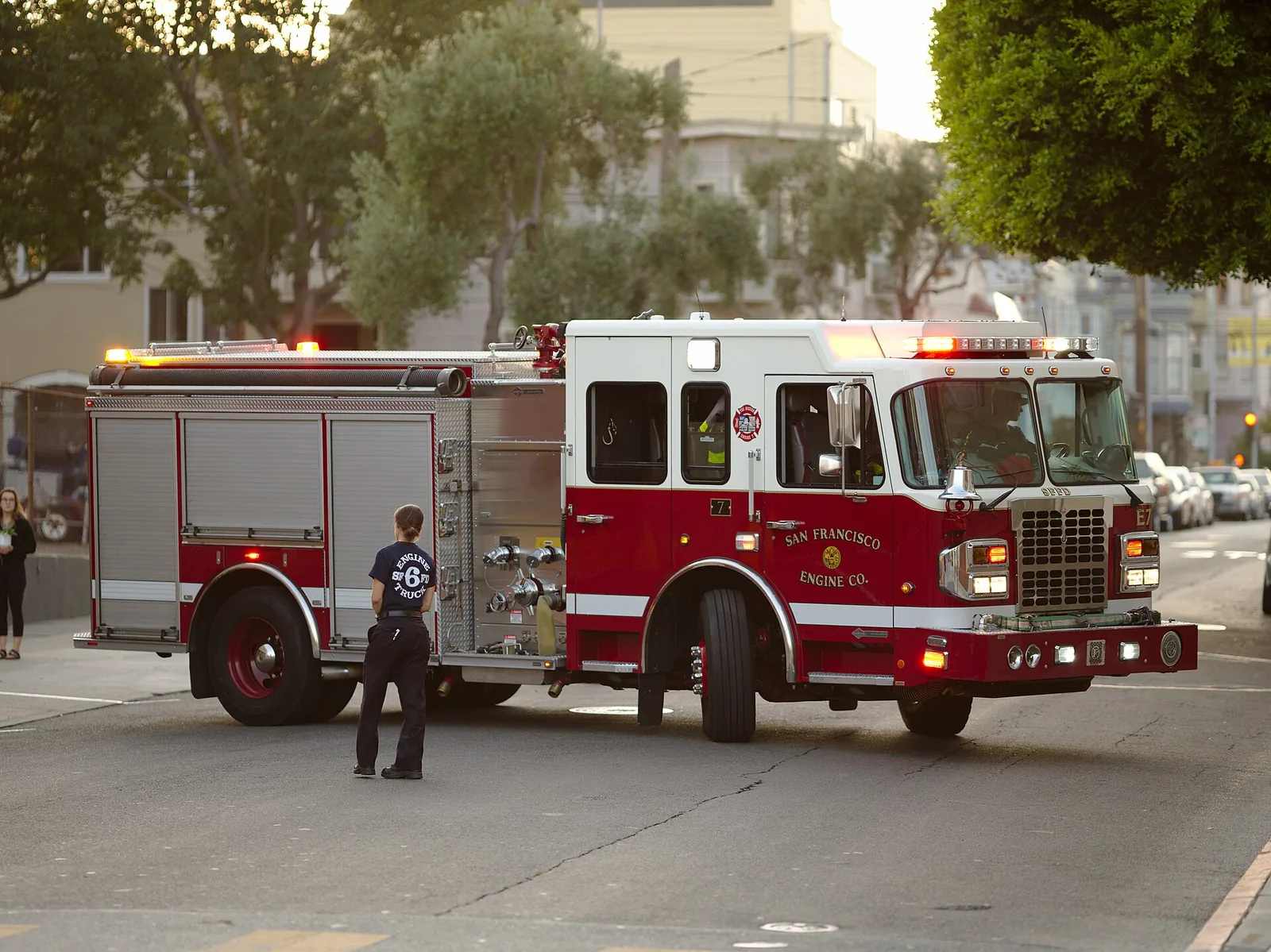
The San Francisco Fire Department runs the Neighborhood Emergency Response Team program, or NERT, which offers free training in disaster skills like light search and rescue, fire suppression, first aid and organizing your neighbors after a disaster. It’s open to people who live or work in San Francisco. Check the SF Fire Department’s NERT page for upcoming classes.
For visitors
If you’re visiting, you don’t need to stockpile supplies, but a few steps help:
- Install MyShake on your phone before your trip.
- Learn drop, cover and hold on.
- Note the exits in your hotel.
- Carry a small flashlight, a charged phone and a water bottle.
- If you’re near the ocean during strong shaking, move to higher ground.
Our first time in San Francisco tips cover other basics. Earthquakes are a fact of life across California. Our sister site Los Angeles Updates covers Southern California news and local tips.
Frequently asked questions
How likely is a major earthquake in San Francisco?
The USGS estimated a 72% chance of at least one magnitude 6.7 or larger earthquake in the Bay Area between 2014 and 2043. No one can predict exactly when it will happen.
How do I get earthquake alerts in San Francisco?
Text your ZIP code to 888-777 to sign up for AlertSF, the city’s emergency alert service. Download the free MyShake app for earthquake early warnings, and turn on location services.
What should I do during an earthquake in San Francisco?
Drop to the ground, take cover under sturdy furniture and hold on until the shaking stops. Stay inside until it’s safe, and stay away from windows and anything that could fall.
Are San Francisco’s emergency sirens still working?
No. The Tuesday noon siren tests ended when the system was shut down in December 2019, and it was still offline as of 2026. Rely on AlertSF and phone alerts instead.
What should be in an earthquake kit?
Water, nonperishable food, medications, first aid supplies, a flashlight, a radio, batteries, phone power banks, cash, warm clothes, sturdy shoes and copies of important documents.
Which San Francisco neighborhoods are most at risk in an earthquake?
Areas built on landfill or soft soil, such as parts of the Marina, South of Market, Mission Bay and the eastern waterfront, tend to shake more strongly and may liquefy. Check hazard maps for your address.
Photo credits
Featured image: Nancy Wong / Wikimedia Commons, CC BY-SA 3.0; San Francisco six weeks after the 1906 earthquake and fire: George R. Lawrence (1869-1938), George R. Lawrence Co. / Wikimedia Commons, Public domain; San Francisco Fire Department Engine 7: Dllu / Wikimedia Commons, CC BY-SA 4.0.