
Half Moon Bay is a small coastal town about 30 miles south of San Francisco, reached by one of the prettiest stretches of Highway 1. It has long sandy beaches, blufftop trails, a working fishing harbor and a relaxed main street, and it feels much farther from the city than its 45-minute drive. It is especially popular in October for its pumpkin patches and festival.
Quick answer
Half Moon Bay is an easy coastal day trip, about 30 to 45 minutes south of San Francisco on Highway 1. Highlights include Pillar Point Harbor for fresh seafood, the Fitzgerald Marine Reserve tide pools, the Coastal Trail along the bluffs, a small historic downtown and, in October, pumpkin patches. You need a car. Check tide times and bring layers, since the coast is often foggy.
In this guide
This guide is part of our neighborhoods and day trips guide.
The drive down Highway 1
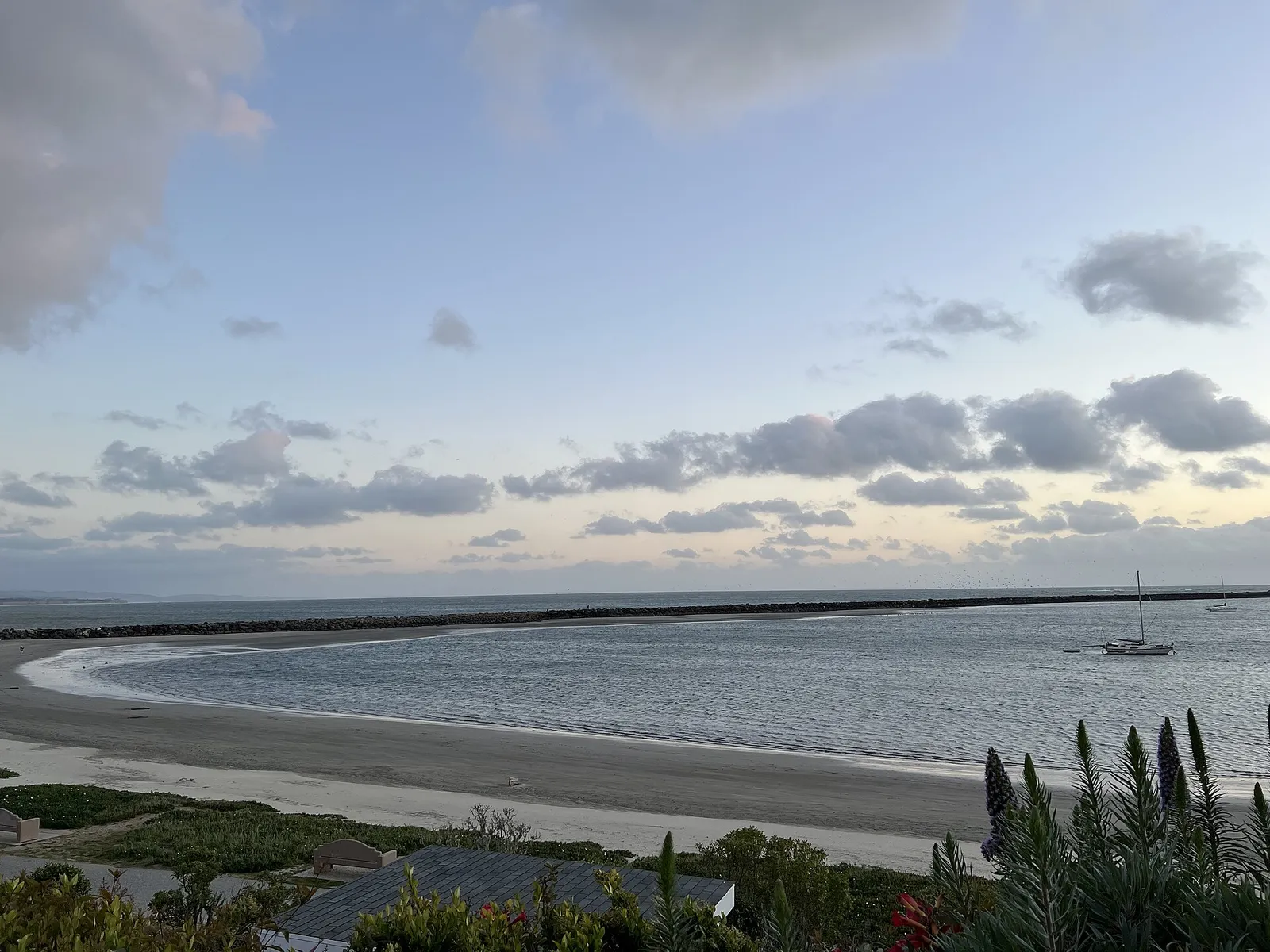
From San Francisco, follow Highway 1 south through Pacifica. Stop at the Devil’s Slide Trail, a paved former section of highway on the cliffs with big ocean views and seabirds, now bypassed by the Tom Lantos Tunnels. Farther south, Montara and Moss Beach have small beaches and cafés.
Pillar Point Harbor
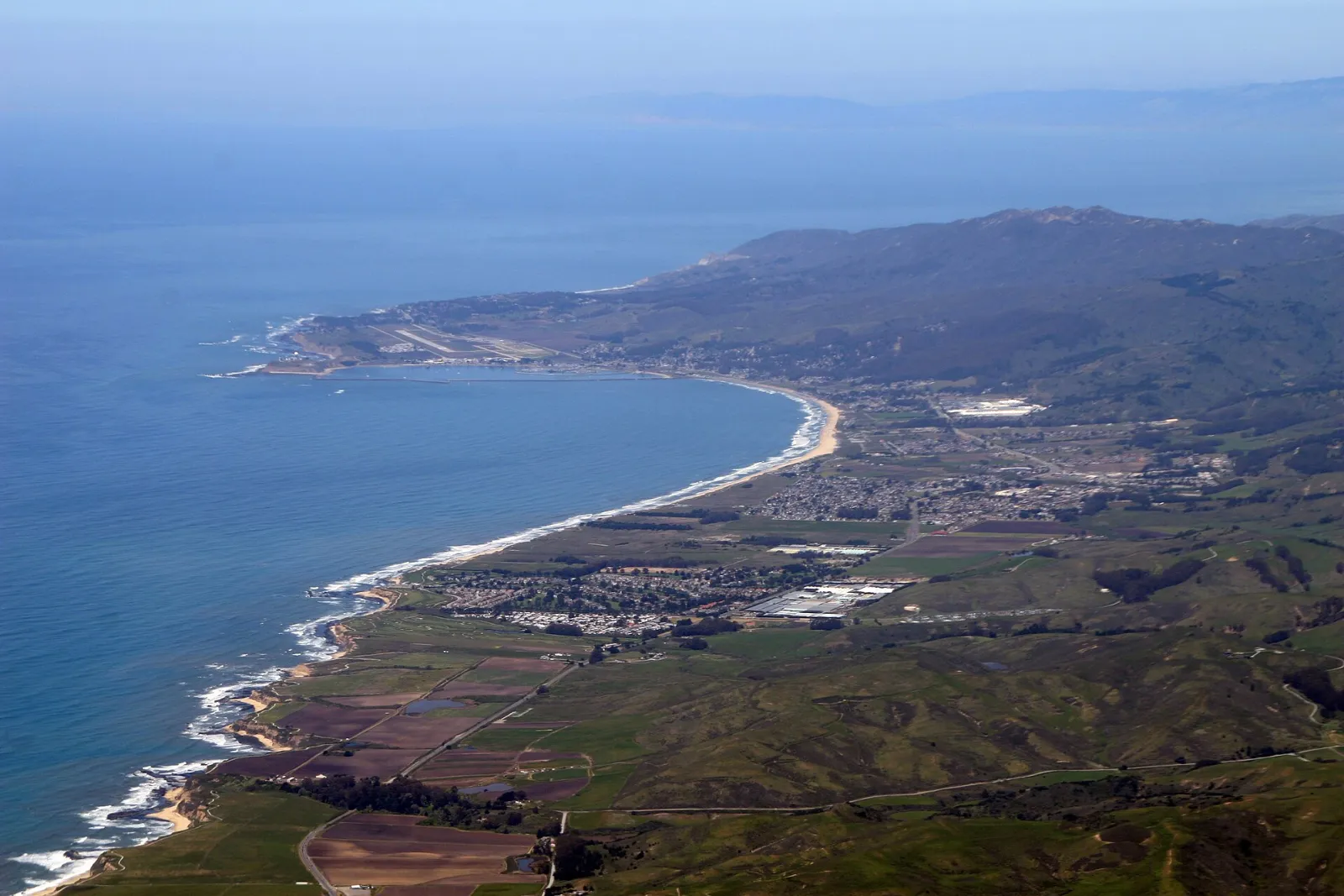
Just north of town, Pillar Point Harbor is a working fishing harbor where you can sometimes buy fish straight off the boats, and casual restaurants serve fish and chips and chowder. Walk out to the bluffs near the harbor for views toward Mavericks, a famous big-wave surf break that comes alive with huge swells in winter.
Tide pools and beaches
- Fitzgerald Marine Reserve in Moss Beach: excellent tide pools at low tide, with sea stars, anemones and crabs. Look but do not touch or remove anything.
- Half Moon Bay State Beach: a long string of sandy beaches south of the harbor, good for walks.
- Coastal Trail: a flat blufftop path that runs for miles along the town’s shoreline, good for walking and biking.
The ocean here is cold and rough, so swimming is not recommended.
Downtown and pumpkin season
Main Street has bakeries, shops and restaurants in historic buildings. In October, farms around town open pumpkin patches and corn mazes, and the Half Moon Bay Art & Pumpkin Festival draws huge crowds, along with a famous giant pumpkin weigh-off. Expect heavy traffic on fall weekends.
Tips
Mornings are often foggy, with sun breaking through by afternoon. Check tide tables before visiting the tide pools. To extend the trip, continue south to Pescadero and its farm stands, or return via Highway 92 over the hills.
Official resources: Visit Half Moon Bay, Fitzgerald Marine Reserve.
A one-day Half Moon Bay itinerary
- Morning: drive south on Highway 1, stopping at the Devil’s Slide Trail for ocean views from a former stretch of highway.
- Late morning: explore the tide pools at the Fitzgerald Marine Reserve in Moss Beach at low tide.
- Lunch: eat seafood at Pillar Point Harbor, or buy fresh fish from a local seller.
- Afternoon: walk or bike the Coastal Trail, then browse Main Street in downtown Half Moon Bay.
- Late afternoon: continue south to the beaches at San Gregorio or Pescadero, or head back north.
- Sunset: watch from the bluffs south of town before driving home.
Devil’s Slide Trail
Between Pacifica and Montara, Highway 1 once ran along a steep, landslide-prone cliff called Devil’s Slide. When tunnels opened in 2013, the old road was turned into a paved trail for walkers and cyclists. It has dramatic views of the coastline, seabirds and sometimes whales offshore. It is a short, easy walk and a great first stop on the drive.
Mavericks
Just off Pillar Point, Mavericks is one of the most famous big-wave surf spots in the world. In winter, large swells can create waves that reach dizzying heights, and the best surfers come from around the globe to ride them. You can see the break from the bluff trail above Pillar Point, but the waves are far offshore, so bring binoculars. Stay off the cliffs’ edges and away from the water on big-wave days.
The Coastal Trail
The Half Moon Bay Coastal Trail runs along the bluffs for several miles, with ocean views, wildflowers in spring and access to beaches below. It is flat and paved for much of the way, which makes it good for walking, biking and strollers. Bring a windbreaker, because the coast is often breezy and cool.
Farther south: Pescadero and Pigeon Point
If you have time, continue south on Highway 1. The small town of Pescadero is known for its historic tavern, artichoke dishes and olallieberry pie. Pigeon Point Light Station, one of the tallest lighthouses on the West Coast, sits on a dramatic point, though access to the tower itself may be limited. In winter, Año Nuevo State Park, about an hour south of Half Moon Bay, runs guided walks to an elephant seal colony; book ahead.
Seasonal events
Half Moon Bay is busiest in October, when pumpkin patches and farm stands open along Highway 92 and the town usually hosts its famous Art and Pumpkin Festival. Weekend traffic on Highway 92 can be very slow, so go early or on a weekday. In winter, the harbor is a center of Dungeness crab season. See our October events guide.
Weather on the coast
The coast is often cooler and foggier than San Francisco, especially in summer. Fall is usually the clearest season. Dress in layers, bring a warm jacket and check the forecast before you go. Our San Francisco fog guide explains why the coast is so often gray.
Getting there
Half Moon Bay is about 25 miles south of downtown San Francisco. Most people drive down Highway 1 along the coast and return via Highway 92 and Interstate 280, or the other way around. Public transit is limited, so a car is the easiest option. Never leave valuables visible in your car at trailheads and beach parking lots. For more coastal trips, see our Point Reyes day trip and best beaches guide.
Frequently asked questions
How far is Half Moon Bay from San Francisco?
About 30 miles, roughly 45 minutes by car via Highway 1.
What is Half Moon Bay known for?
Its beaches, Pillar Point Harbor, the Mavericks surf break and its October pumpkin festival.
Can you swim at Half Moon Bay?
The water is cold with strong currents, so swimming is not recommended.
Where are the tide pools near Half Moon Bay?
At Fitzgerald Marine Reserve in Moss Beach, best at low tide.
Can you see Mavericks from shore?
Yes, from the bluff above Pillar Point, but the waves are far offshore. Bring binoculars, and stay away from cliff edges on big-wave days.
What is the Devil’s Slide Trail?
It is a paved trail on a former section of Highway 1 between Pacifica and Montara, with dramatic coastal views. It opened after tunnels replaced the old road in 2013.
Is Half Moon Bay worth a day trip?
Yes. It combines coastal scenery, tide pools, seafood and a small-town downtown, all within an hour of San Francisco.
Can you get to Half Moon Bay without a car?
It is possible with local buses, but service is limited and slow. A car is much easier for a day trip along the coast.
Photo credits
Featured image: FASTILY / Wikimedia Commons, CC BY-SA 4.0; Pillar Point Harbor: Doc Searls from Santa Barbara, USA / Wikimedia Commons, CC BY-SA 2.0.