
The Asian Art Museum is one of the largest museums of Asian art in the Western world, in a grand former library building in San Francisco’s Civic Center. As of November 2026, it’s open Thursday from 1 to 8 pm and Friday to Monday from 10 am to 5 pm, and it’s closed Tuesday and Wednesday. General admission is $20 for adults, kids 12 and under are free and everyone gets in free on the first Sunday of each month.
In this guide
This guide is part of our San Francisco attractions hub. Hours, prices and exhibition dates are as of November 2026, so check before you go.
At a glance
| Details (as of November 2026) | |
|---|---|
| Address | 200 Larkin Street, Civic Center |
| Hours | Thursday 1 to 8 pm; Friday to Monday 10 am to 5 pm |
| Closed | Tuesday, Wednesday, New Year’s Day, Thanksgiving and Christmas |
| Adults | $20 |
| Seniors 65+ | $17 |
| Teens 13 to 17 and college students | Discounted |
| Kids 12 and under | Free |
| Free days | First Sunday of every month |
| Nearest transit | Civic Center/UN Plaza BART and Muni, one block away |
| Phone | 415-581-3500 |
| Time needed | 2 to 3 hours |
Why visit
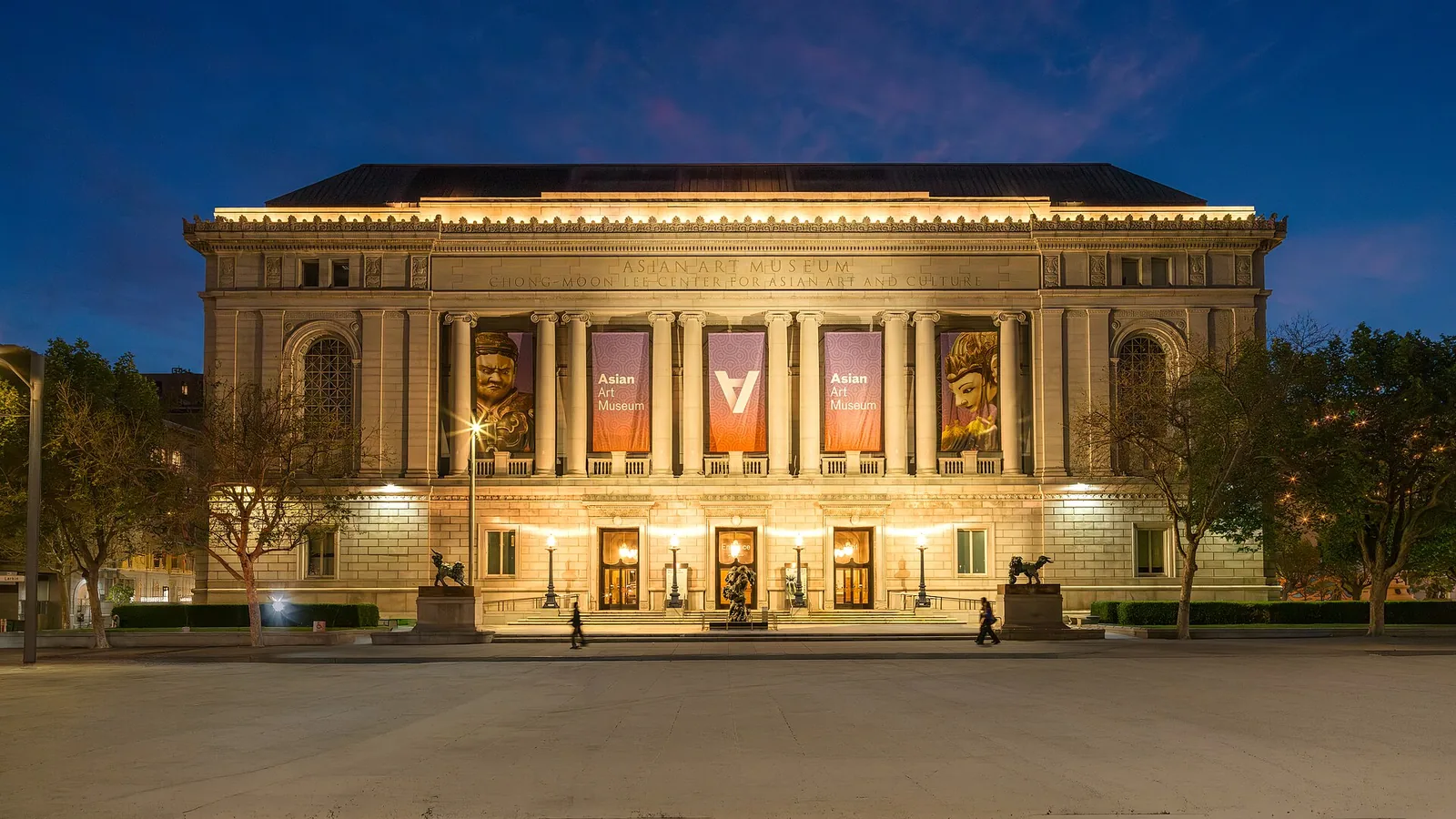
The Asian Art Museum holds a collection of more than 18,000 artworks spanning about 6,000 years, from China, Japan, Korea, India, the Himalayas, Southeast Asia, Iran and beyond. The core came from the collection of Avery Brundage, the Chicago businessman and former International Olympic Committee president, who gave his collection to San Francisco in the 1960s. Brundage’s legacy is complicated. In 2020, the museum removed a bust of him from its entrance, citing his documented racist and antisemitic views, and it has since worked to tell a fuller story of how the collection was built.
The museum moved to its current home in 2003. The building was San Francisco’s Main Library, a Beaux-Arts landmark that opened in 1917, and Italian architect Gae Aulenti redesigned the interior as a museum. In 2020, the museum added a new pavilion for special exhibitions and a rooftop art terrace. It’s a calm, uncrowded museum on most weekdays, and it’s a great rainy-day choice. See our rainy-day things to do guide for more.
Tickets and free days
General admission is $20 for adults and $17 for seniors 65 and older, with discounts for teens 13 to 17 and college students with ID, according to the museum’s plan your visit page. Kids 12 and under are always free. Some special exhibitions cost extra.
Free First Sundays
On the first Sunday of every month, general admission is free for everyone. Special exhibitions are discounted on those days. Free Sundays are busy, so arrive early. Our free museum days in San Francisco guide lists other free days around the city.
Other discounts
The museum offers other free and reduced admission programs, including for some low-income visitors, and groups of 10 or more get a discounted rate. Check the museum’s free and reduced admission page for the current list.
Free tours
Docents lead free guided tours of the collection and special exhibitions every day the museum is open. Ask at the information desk or check the tour schedule online. A tour is one of the best ways to get oriented in a big collection.
Combining with other museums
If you’re planning several museum visits, check whether a pass makes sense. Our guide to whether San Francisco CityPASS is worth it compares the bundles. The Asian Art Museum’s resident and low-income programs often beat a pass for locals, so compare before you buy.
Thursday nights
On Thursdays, the museum stays open until 8 pm, and many Thursday evenings feature programs like talks, performances, music and art activities. As of November 2026, the museum’s calendar listed Thursday evening events on November 12, 19 and 26. Check the museum calendar for what’s on.
Thursday evenings are a nice way to see the galleries with fewer kids and more of a social atmosphere, and you can pair a visit with dinner in Hayes Valley or a show at the nearby symphony or opera.
What to see
The building
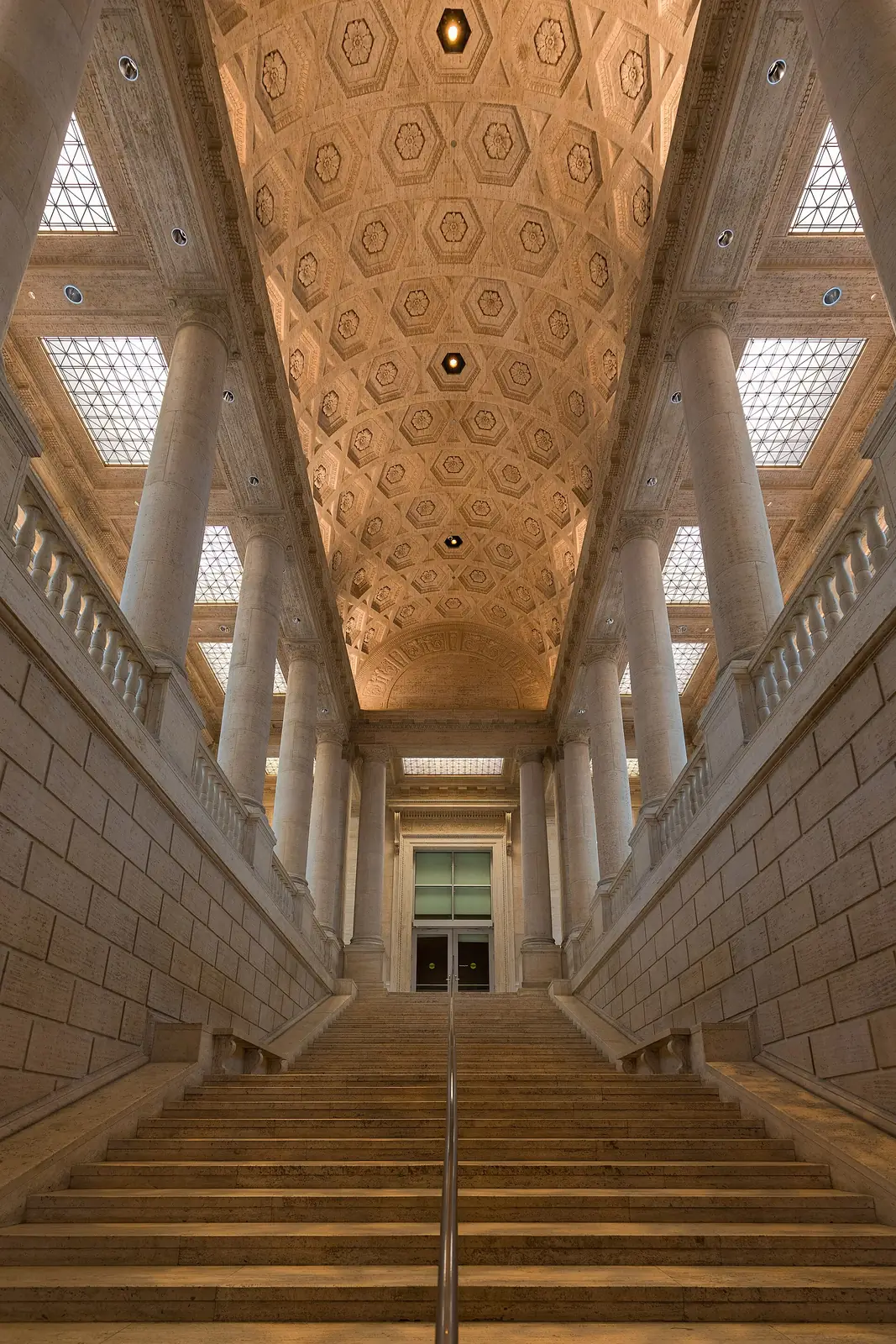
Start in the entry hall. The grand staircase, restored stonework and skylit spaces are a reminder that this was once one of the city’s great public buildings. The upper floors hold the permanent collection galleries, arranged by region.
Chinese art
The Chinese collection is one of the museum’s greatest strengths, with ancient bronzes, jades, ceramics, paintings and calligraphy. Look for ritual bronze vessels thousands of years old and fine porcelain from later dynasties.
Japanese art
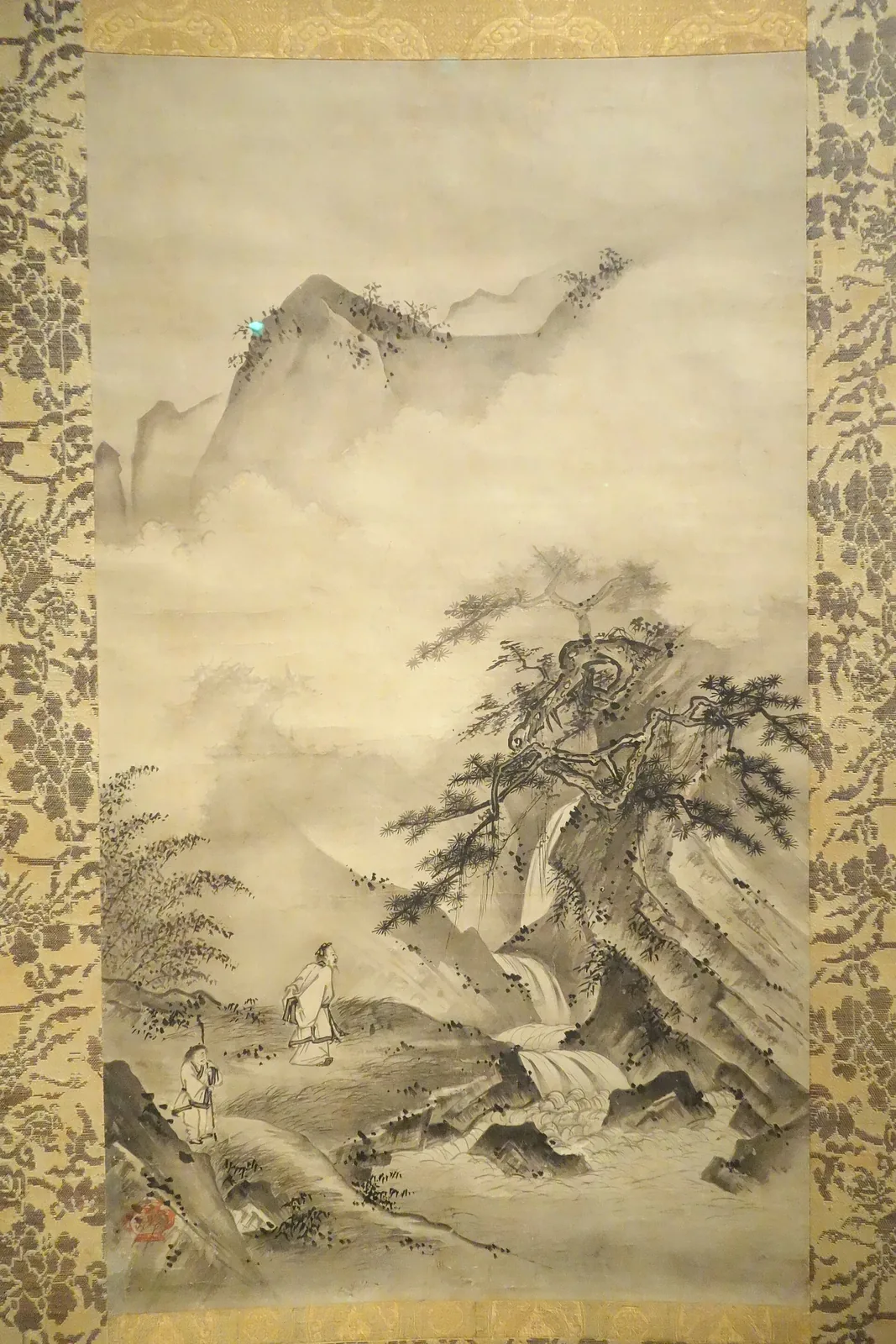
The Japanese galleries include paintings, screens, hanging scrolls, ceramics, lacquer, samurai armor and bamboo art. Displays of paintings and textiles rotate because they’re sensitive to light, so there’s usually something new to see.
Korean art
The Asian Art Museum has one of the most important collections of Korean art outside Korea, with ceramics, paintings and sculpture. Look for the pale green celadon ceramics, a Korean specialty, and the quietly beautiful white porcelain jars from later centuries.
South Asian, Himalayan and Southeast Asian art
These galleries hold sculptures of Hindu, Buddhist and Jain deities, Himalayan paintings and ritual objects and works from Cambodia, Thailand, Indonesia and other parts of Southeast Asia. Some of the stone sculptures are among the most striking pieces in the museum.
Contemporary art
The museum also shows contemporary artists from Asia and the Asian diaspora, especially in its newer pavilion and on the art terrace.
Exhibitions in late 2026
As of November 2026, the museum’s exhibitions included:
- Vishnu’s Cosmic Ocean, through January 25, 2027.
- Ha Chong-Hyun: Retrospective, through January 25, 2027, covering the Korean abstract painter.
- Al-An deSouza: Table Settings, through November 16, 2026.
- Kim Minwook: On Carving, Bending, and Binding Wood, through March 29, 2027.
Exhibition dates can change, so check the exhibitions page before you go.
A 90-minute plan
Short on time? Here’s a route that hits the highlights.
- Entry hall, 10 minutes. Look up at the restored ceilings and the grand staircase, and pick up a floor map.
- Top-floor galleries, 40 minutes. Many visitors start upstairs and work down. Spend time in the South Asian and Himalayan galleries, then the Chinese collection.
- Japanese and Korean galleries, 20 minutes. Look for the rotating screens and scrolls.
- Special exhibition, 20 minutes. If one interests you, end with it, or step out to the art terrace if it’s open.
If you have kids with you, slow it down and let them pick the next room.
Visiting with kids
Kids 12 and under get in free, and the museum works well for families in small doses. Kids tend to love the armor, the big Buddha sculptures, the animal figures and the jade. The museum runs family programs and art activities on some weekends and holidays, so check the calendar. When attention runs out, the Helen Diller Civic Center Playgrounds are right across Larkin Street, and the main library’s children’s section is next door. Our things to do with kids guide has more ideas.
Accessibility
The building was renovated for modern access when it became a museum, with elevators between floors. Check the museum’s accessibility page for wheelchair loans, assistive listening and other services, and ask at the information desk if you need help.
Getting there
The museum is at 200 Larkin Street, across from the Civic Center Plaza and City Hall.
By BART or Muni
Take BART or Muni Metro to Civic Center/UN Plaza station, one block away. Follow signs for the UN Plaza exit, walk past the Simón Bolívar statue, cross Hyde Street onto Fulton Street and turn right on Larkin Street. Our BART guide covers tickets.
By car
Two garages are within a block: the Civic Center Garage at 355 McAllister Street and the UC Law garage at 376 Larkin Street. Members get reduced rates at the UC Law garage with validation.
Getting around the neighborhood
Civic Center has a mix of grand public buildings and rougher blocks. Stick to the main plaza and the streets around City Hall and the library, and use transit or a rideshare at night. Our first-time visitor tips cover city safety basics.
Food and shopping
The museum’s restaurant, Asian Box, serves Asian-inspired dishes and boba tea during museum hours, and you don’t need a ticket to eat there. On Tuesdays and Wednesdays, when the galleries are closed, Asian Box is open from 10 am to 1 pm. The museum’s own visitor page also points to a croissant from Arsicault Bakery nearby, and Hayes Valley’s restaurants are a 10-minute walk west if you want a full meal before or after.
The Cha May Ching Museum Boutique sells books, ceramics and gifts sourced from across Asia, and it’s also open without paid admission.
Make a day of it in Civic Center
The museum sits in the middle of a cluster of attractions:
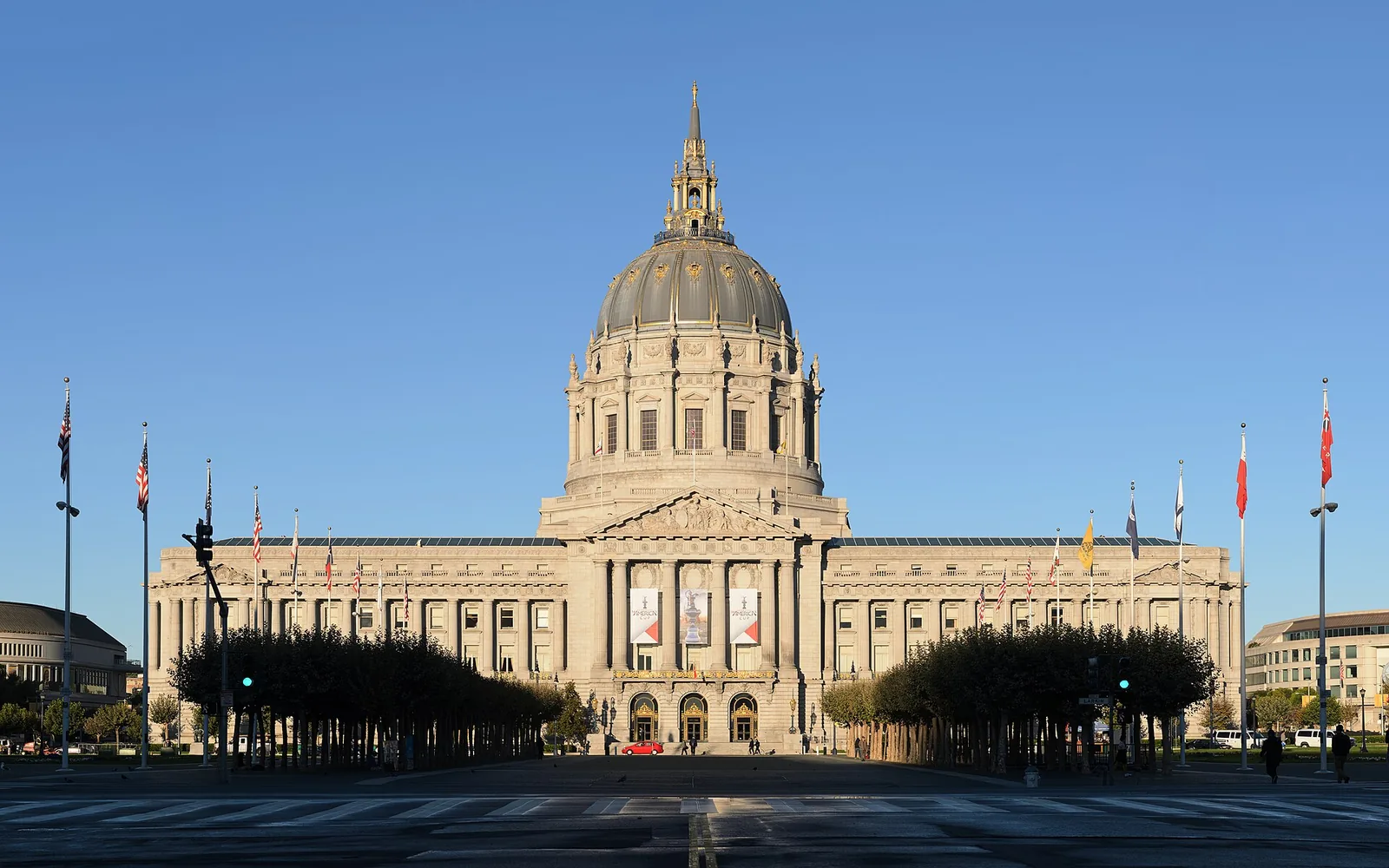
- City Hall, across the plaza, has a famous dome and is open to visitors on weekdays.
- The Main Library, next door, has a big children’s section and exhibitions.
- Heart of the City Farmers Market sets up on Wednesdays and Sundays right outside, in Fulton Plaza between the library and the museum.
- Helen Diller Civic Center Playgrounds, across Larkin Street, are a good break for kids.
- Hayes Valley, a few blocks west, has restaurants, cafes and shops. See our Hayes Valley guide.
If you’re exploring Asian American history and culture in the city, visit Chinatown and Japantown too. For more museums, see our best museums in San Francisco guide.
Heading to Southern California? Our sister site Los Angeles Updates covers LA’s museums.
Tips for visiting
- Plan around the closed days. The museum is closed Tuesdays and Wednesdays.
- Go early on Free First Sundays. They draw big crowds.
- Take a free docent tour to get your bearings.
- Look for rotating displays. Paintings, screens and textiles change regularly.
- Check the bag policy. Large bags may need to be checked at the entrance.
Frequently asked questions
How much does the Asian Art Museum cost?
As of November 2026, general admission is $20 for adults and $17 for seniors 65 and older. Kids 12 and under are free, and teens and college students get discounts.
When is the Asian Art Museum free?
General admission is free for everyone on the first Sunday of every month. Kids 12 and under are always free.
What are the Asian Art Museum’s hours?
It’s open Thursday from 1 to 8 pm and Friday to Monday from 10 am to 5 pm. It’s closed Tuesday and Wednesday, plus New Year’s Day, Thanksgiving and Christmas.
Where is the Asian Art Museum in San Francisco?
It’s at 200 Larkin Street in Civic Center, across from City Hall and one block from Civic Center/UN Plaza BART station.
How long do you need at the Asian Art Museum?
Plan on two to three hours to see the main galleries and a special exhibition.
Photo credits
Featured image: Dale Cruse / Wikimedia Commons, CC BY 4.0; The Wilbur Grand Staircase: Frank Schulenburg / Wikimedia Commons, CC BY-SA 4.0; A Muromachi-period scroll by Soami in the Japanese galleries: Daderot / Wikimedia Commons, CC0; City Hall, across Civic Center Plaza: King of Hearts / Wikimedia Commons, CC BY-SA 3.0.