
San Francisco’s Japantown, or Nihonmachi, is the oldest and largest of only three Japantowns left in the United States. Japanese immigrants settled here after the 1906 earthquake, and the community was devastated by the forced incarceration of Japanese Americans during World War II. Today it is a compact, friendly district of shops, restaurants and gardens centered on the Peace Pagoda.
Quick answer
Japantown is a compact neighborhood in the Western Addition, centered on the Peace Pagoda and the Japan Center malls. Come for ramen, sushi and Japanese sweets, shopping for books, stationery and anime goods, and a soak at Kabuki Springs & Spa. It is one of only three historic Japantowns left in the US. Allow two to three hours, more during the April Cherry Blossom Festival.
In this guide
This guide is part of our San Francisco neighborhood guide.
Peace Plaza and the Peace Pagoda
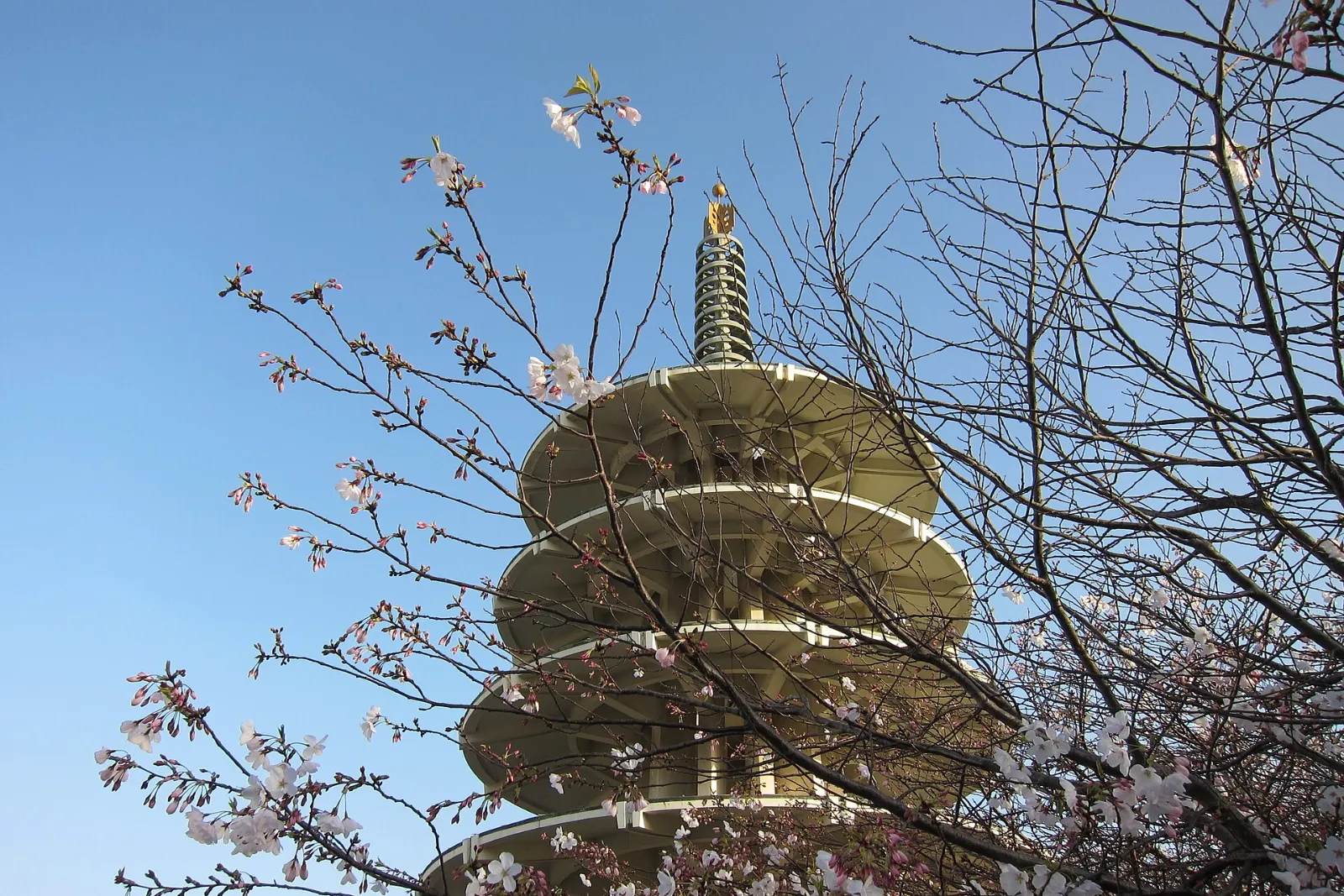
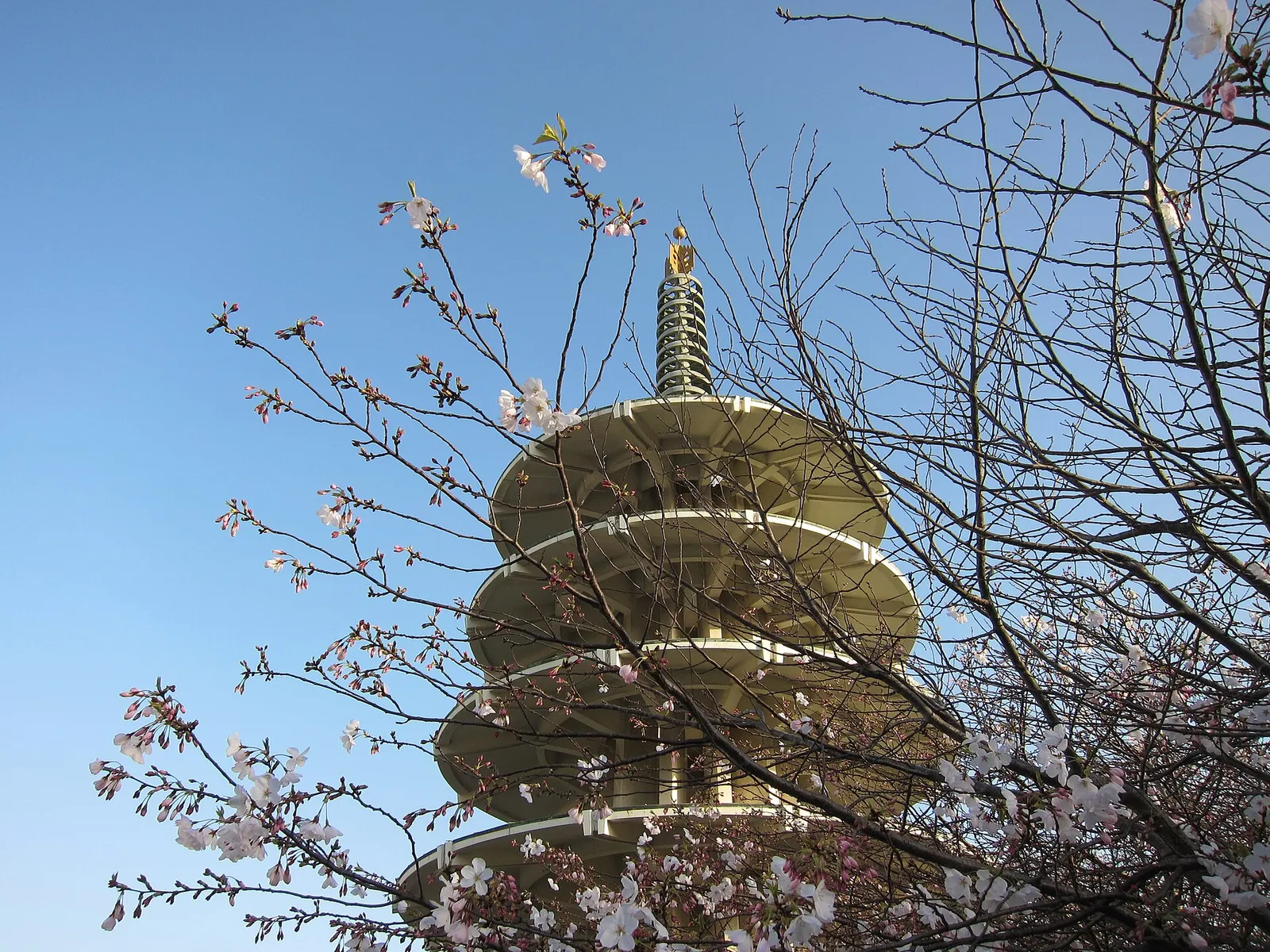
The five-tiered concrete Peace Pagoda, designed by Japanese architect Yoshiro Taniguchi, was a gift from Osaka and was dedicated in 1968. It stands in Peace Plaza between the Japan Center buildings and is the stage for festivals through the year.
Japan Center malls
The Japan Center’s connected malls are full of small shops and restaurants. Look for Kinokuniya, a large Japanese bookstore with manga, stationery and art books; shops selling ceramics, knives, kimono and anime collectibles; and photo-sticker booths and dessert counters. It is a good rainy-day stop.
Food
Japantown has some of the best ramen, udon, sushi, izakaya and Japanese sweets in the city. Many restaurants are inside the Japan Center, with more on Post and Buchanan Streets. Lines form at popular ramen shops at dinnertime. Try mochi, taiyaki or matcha soft-serve for dessert.
Kabuki Springs & Spa
Kabuki Springs & Spa on Geary Boulevard offers Japanese-style communal baths with hot and cold plunges, a steam room and a sauna, plus massages. Communal bathing days alternate by gender, with some co-ed days, so check the schedule before you go.
Festivals
The Northern California Cherry Blossom Festival in April is Japantown’s biggest event, with taiko drumming, food, performances and a Grand Parade. The Nihonmachi Street Fair in August is another lively weekend. See our April events guide.
Getting there
Japantown is a short ride west of Union Square. Take the 38 or 38R Geary bus, or the 22 Fillmore. The Japan Center has a paid parking garage. Nearby, Fillmore Street has more shops and restaurants and the historic Fillmore music hall.
Official resources: San Francisco Japantown, Kabuki Springs & Spa.
A short history of Japantown
Japanese immigrants began settling in this part of San Francisco after the 1906 earthquake, and by the 1930s Japantown was one of the largest Japanese communities outside Japan. In 1942, during World War II, Japanese Americans were forced from their homes and sent to incarceration camps under Executive Order 9066, and the neighborhood was emptied almost overnight.
After the war, some families returned, but in the 1960s a large redevelopment project tore down many blocks of the Western Addition, including much of Japantown, and displaced residents again. The Japan Center malls and Peace Plaza were built in that era. Today the neighborhood is smaller than it once was, but community groups, temples, churches and family businesses keep it alive.
Things to do in Japantown
- See the Peace Pagoda, a five-tiered concrete pagoda designed by Japanese architect Yoshiro Taniguchi and given by the people of Osaka
- Browse the bookstore in the Japan Center for Japanese books, manga, magazines and stationery
- Shop for kitchenware, snacks and household goods at the Japanese variety stores
- Take photos in a Japanese-style photo sticker booth
- Book a private karaoke room for a group night out
- Walk the pedestrian Buchanan Mall, with its cobblestones and origami-inspired fountains
What to eat
Japantown is one of the best places in the city for casual Japanese food. Ramen shops have lines at lunch and dinner, sushi and izakaya restaurants fill the malls and side streets, and dessert spots sell Japanese crepes, soft serve, taiyaki and mochi. Try something you have not had before, like okonomiyaki or a bento box from a grocery counter. Many places are small, so expect a wait at peak times.
Festivals in Japantown
Two big festivals bring crowds to Japantown. The Northern California Cherry Blossom Festival runs over two weekends in April, with taiko drumming, martial arts demonstrations, food stalls and a grand parade from Civic Center to Japantown. The Nihonmachi Street Fair in August has food, crafts, music and community booths. See our April events and August events guides.
Nearby neighborhoods
Japantown is a good starting point for exploring. Walk south down Fillmore Street to the historic Fillmore District, once known as the Harlem of the West for its jazz clubs, or north up Fillmore into Pacific Heights for boutiques, cafés and grand mansions. Alamo Square and the Painted Ladies are about a 15-minute walk south, and Hayes Valley is a little farther.
When to visit
Japantown is open year-round and works well on rainy or foggy days, since much of it is indoors in the malls. Weekday afternoons are quietest. Weekends and festival days are lively but busy, especially at popular ramen shops. Visit in early April to see cherry trees blooming around Peace Plaza.
Safety tips
Japantown is generally safe and busy during the day. In the evening, stay in well-lit areas around the malls and Fillmore Street. If you drive, the Japan Center has a parking garage, which is safer than leaving a car on the street. Our safety guide has more tips.
Frequently asked questions
Is Japantown San Francisco worth visiting?
Yes, for its food, shops, the Peace Pagoda and the Cherry Blossom Festival in April.
How many Japantowns are left in the US?
Three: San Francisco, San Jose and Los Angeles. San Francisco’s is the oldest and largest.
How do you get to Japantown from Union Square?
Take the 38 or 38R Geary bus west for about 15 minutes.
When is the Cherry Blossom Festival in Japantown?
Over two weekends in April, with the Grand Parade on the final Sunday.
What is the Peace Pagoda in San Francisco?
The Peace Pagoda is a five-tiered concrete pagoda in Japantown’s Peace Plaza. It was designed by Japanese architect Yoshiro Taniguchi and given as a gesture of friendship from the people of Osaka.
What is there to eat in Japantown?
Japantown has ramen shops, sushi and izakaya restaurants, bento and grocery counters, and desserts like Japanese crepes, taiyaki, soft serve and mochi.
Is Japantown good on a rainy day?
Yes. Much of Japantown is inside the Japan Center malls, which have restaurants, shops and arcades, so it is a good choice when the weather is poor.
Is Kabuki Springs & Spa co-ed?
It depends on the day. Kabuki Springs has women-only, men-only and co-ed days for the communal baths, so check the current schedule before you visit.
Photo credits
Featured image: Amanda Walker / Wikimedia Commons, CC BY-SA 2.0; Japan Center malls: Amanda Walker / Wikimedia Commons, CC BY-SA 2.0.