
Yosemite Valley is about 170 to 200 miles from San Francisco, roughly a four- to five-hour drive depending on your route and traffic. Without a car, take Amtrak to Merced and connect to a YARTS bus into the valley, or book a guided day tour. As of November 2026, Yosemite doesn’t require entrance reservations, a private vehicle pays $35 at the gate, and visitors who aren’t US residents pay an extra $100 per person aged 16 and older.
In this guide
This guide is part of our San Francisco visitors guide hub. Fees, schedules and road conditions are as of November 2026, so check before you go.
At a glance
| Details (as of November 2026) | |
|---|---|
| Distance | About 170 to 200 miles to Yosemite Valley, depending on route |
| Drive time | Roughly 4 to 5 hours each way without stops |
| Best driving routes | CA-120 via the Big Oak Flat Entrance, or CA-140 via Merced and the Arch Rock Entrance |
| Car-free option | Amtrak to Merced, then the YARTS Highway 140 bus |
| YARTS fare, Merced to Yosemite Valley | $22 one way, $44 round trip |
| Entrance fee | $35 per private vehicle, valid 7 days; $20 per person on foot, bike or bus |
| Nonresident fee | Extra $100 per person aged 16 and older, unless you have an annual or America the Beautiful pass |
| Reservations | Not required in 2026 |
| Payment at the gate | Cards and mobile pay only; no cash |
| Winter | Tioga Road and Glacier Point Road were closed by snow as of early November 2026; carry chains |
Should you do Yosemite as a day trip?
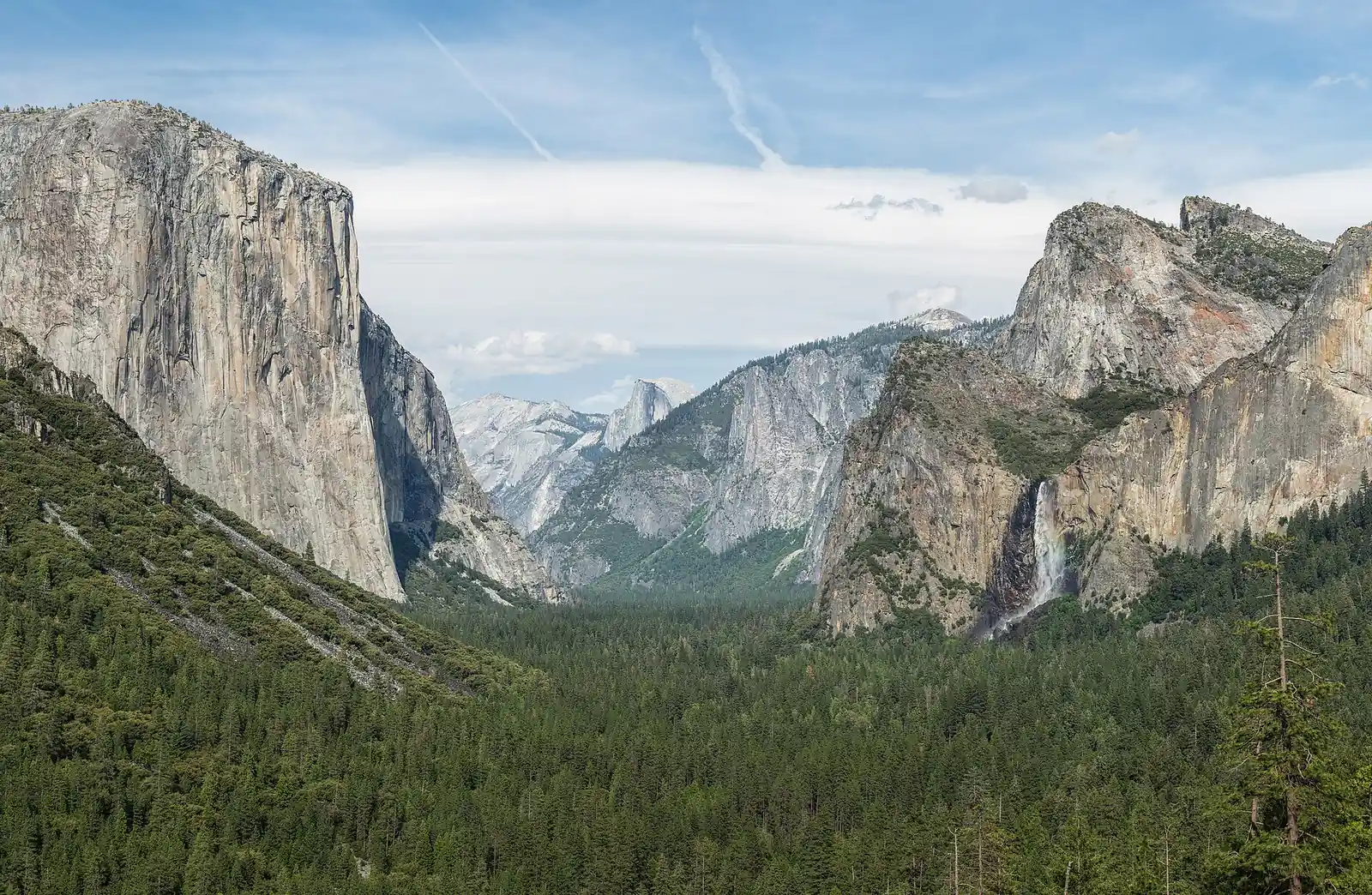
You can, but it’s a very long day. With eight to ten hours of driving round trip, a day trip leaves you only a few hours in Yosemite Valley. If you can, stay at least one night in or near the park. Two nights lets you see the valley, take a real hike and catch sunset and sunrise without rushing.
If a day trip is all you can fit in, a guided tour lets you sleep on the way, or leave San Francisco by 5 or 6 am to beat traffic on the Bay Bridge and I-580. Our how many days in San Francisco guide can help you balance city time with a Yosemite trip.
Driving from San Francisco to Yosemite
Most drivers leave San Francisco over the Bay Bridge, then take I-580 east over the Altamont Pass toward the Central Valley. From there, you have two main choices.
Route 1: CA-120 to the Big Oak Flat Entrance
Take I-580 to I-205 and continue east through Manteca and Oakdale on CA-120, then climb into the Sierra foothills through Groveland to the Big Oak Flat Entrance. This is usually the fastest route from San Francisco, and it reaches Yosemite Valley from the northwest. The final stretch has curves and a steep grade, known as Old Priest Grade or New Priest Grade, so take it slowly.
Route 2: CA-140 via Merced and Mariposa
Take I-580 and I-5 or CA-99 south to Merced, then CA-140 east through Mariposa and along the Merced River canyon to the Arch Rock Entrance. This route is a little longer, but CA-140 is a lower-elevation road that’s often the easiest choice in winter, and it’s the route the YARTS bus takes.
Gas, food and timing
Fill up in the Central Valley or in Oakdale, Groveland or Mariposa before you enter the park, where gas is limited and expensive. Pick up snacks and water, too. Plan on at least one stop each way.
Parking in Yosemite Valley
Without reservations, parking in Yosemite Valley fills on busy days, especially on summer weekends and holidays. The park recommends weekday visits, early arrivals and using the free valley shuttle once you’ve parked. Check the Yosemite National Park site for current traffic alerts.
Getting to Yosemite without a car
Amtrak and YARTS
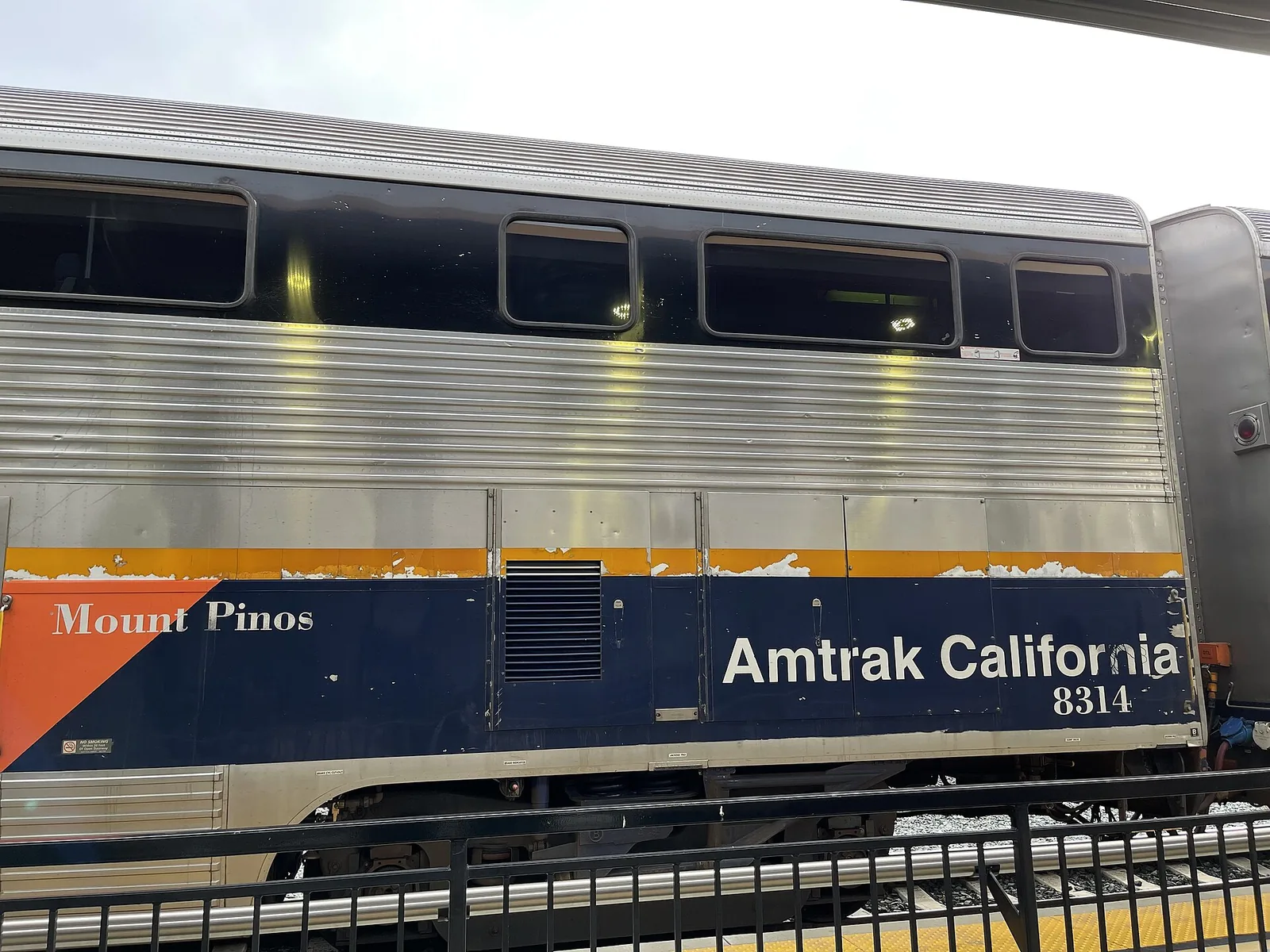
The car-free route uses Amtrak’s Gold Runner trains, formerly called the San Joaquins, to Merced, then the YARTS Highway 140 bus into Yosemite Valley. From San Francisco, you start with an Amtrak Thruway bus to a connecting train station in the East Bay, then ride the train to Merced. Amtrak sells through tickets to Yosemite that include the bus connection. Check Amtrak’s Yosemite page for current options.
From Merced, YARTS runs the Highway 140 route seven days a week from October 1, 2026, through May 28, 2027, except Thanksgiving, Christmas, New Year’s Day and Easter Sunday. On the winter schedule, buses leave the Merced Amtrak station at 4:15 am, 11:30 am and 5:30 pm, plus a 7:15 am bus from the Merced Transpo center, and they arrive at Yosemite Valley Lodge about three hours later. Return buses leave Yosemite Valley Lodge at 8:15 am, 11:45 am and 4:40 pm.
As of November 2026, the YARTS fare from Merced to Yosemite Valley is $22 one way or $44 round trip, with reduced fares of $11 and $22 for seniors 62 and older, kids 6 to 17, veterans and ADA-eligible riders. Kids 5 and under ride free, and one child aged 6 to 12 rides free with each paid adult. A small booking surcharge applies. Seats can be reserved online, and walk-ons are accepted if there’s space.
Guided tours
Several companies run Yosemite day tours from San Francisco, usually in a van or small bus, leaving early in the morning and returning late at night. They’re a good option if you don’t want to drive or deal with parking. Check what’s included, such as hotel pickup, the entrance fee and lunch, and how much time you’ll actually have in the valley. Multi-day tours with lodging give you a more relaxed visit.
Entrance fees and reservations in 2026
Yosemite won’t use a timed entrance reservation system in 2026, according to the National Park Service. The park decided that its 2025 traffic and parking data didn’t justify a season-wide requirement, and it’s using traffic management and parking control on busy days instead.
As of November 2026, the entrance fees are:
| Pass | Price | What it covers |
|---|---|---|
| Private vehicle | $35 | Everyone in one car, for 7 consecutive days |
| Motorcycle | $30 | Up to 2 motorcycles and 4 riders, 7 days |
| Per person (on foot, bike or noncommercial bus) | $20 | One person 16 or older, 7 days |
| Yosemite annual pass | $70 | 12 months, US citizens and residents |
| America the Beautiful pass, residents | $80 | All national parks for 12 months |
| America the Beautiful pass, nonresidents | $250 | All national parks for 12 months |
Visitors who aren’t US residents and are 16 or older pay an extra $100 per person on top of the standard entrance fee, unless they enter with an annual or America the Beautiful pass. For a group of four adult international visitors in one car, that’s $35 plus $400, so the $250 nonresident America the Beautiful pass can work out cheaper, especially if you’re visiting other parks too.
The park doesn’t accept cash at entrance stations. Bring a card or use mobile pay. On Veterans Day, November 11, 2026, entrance is free for US citizens and residents.
Visiting in winter
Winter in Yosemite is quiet and beautiful, with snow on the granite walls and far fewer crowds. It also takes more planning.
Road closures
As of early November 2026, Tioga Road and Glacier Point Road were closed by snow. They usually stay closed for much of the winter, which means no drive to Glacier Point or across the park to the east side. Yosemite Valley stays open year-round, and the Big Oak Flat, Arch Rock and South entrances usually stay open, though storms can cause temporary closures.
Tire chains
From November through March, chain controls can be in effect on park roads, even in Yosemite Valley. The park says to carry tire chains or cables in your car during the season, and all vehicles must have them in designated chain-control areas. Rental car companies often don’t allow chains, so ask before you go, or check whether your rental has four-wheel drive with snow tires. For road conditions, call the park at 209-372-0200.
What’s open
The valley’s lodging, some restaurants, the visitor center and the free shuttle usually run in winter, though some services cut back. Badger Pass, near Glacier Point Road, has historically offered winter snow play and skiing when conditions allow. Check the park’s winter page.
What to see in Yosemite Valley
- Tunnel View, on Wawona Road at the valley’s western end, has the classic view of El Capitan, Bridalveil Fall and Half Dome.
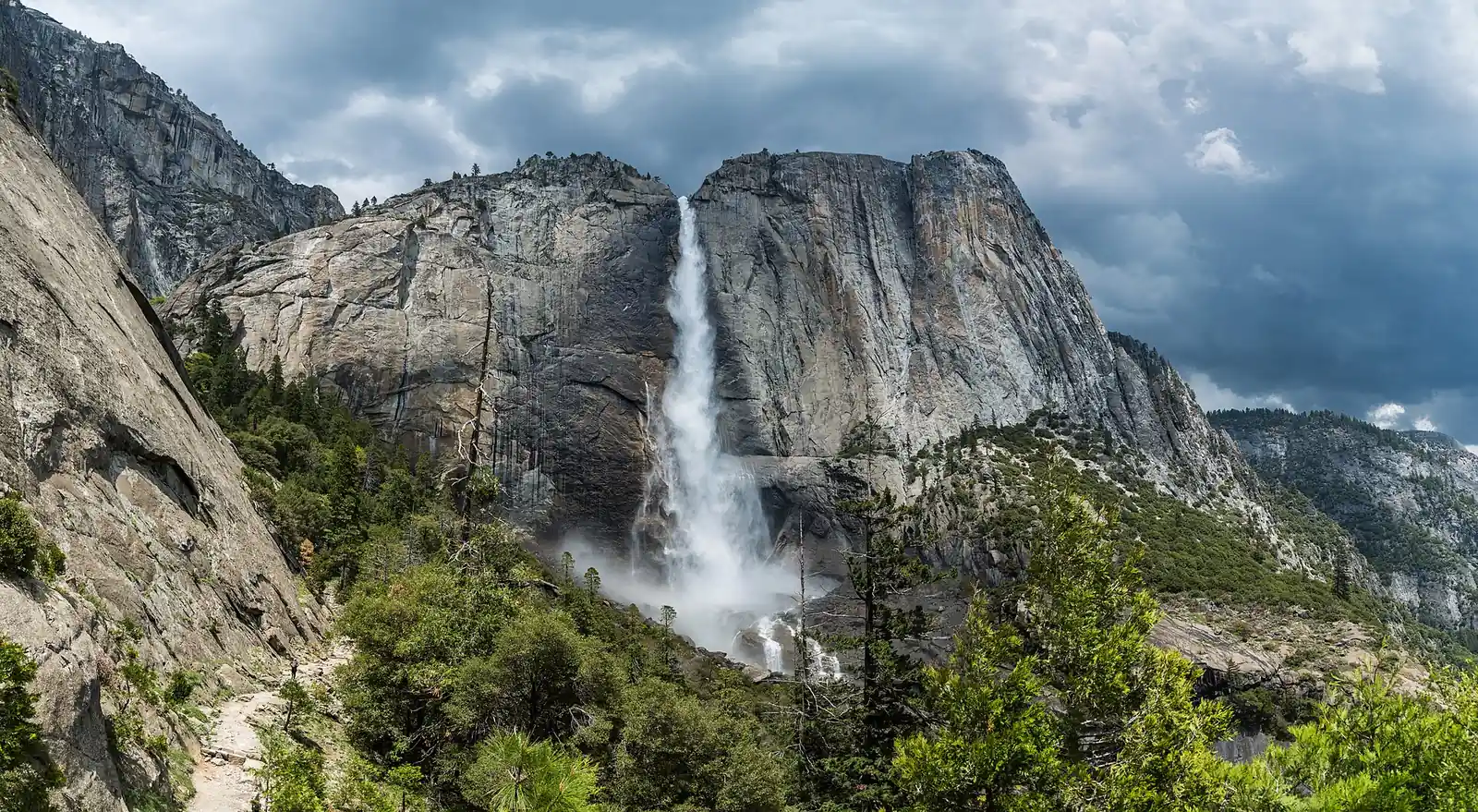
- Yosemite Falls is one of the tallest waterfalls in North America. It’s strongest in spring and can be a trickle or dry by late summer and fall. An easy loop leads to the base of Lower Yosemite Fall.
- El Capitan is the huge granite wall famous with rock climbers. Look for climbers from El Capitan Meadow.
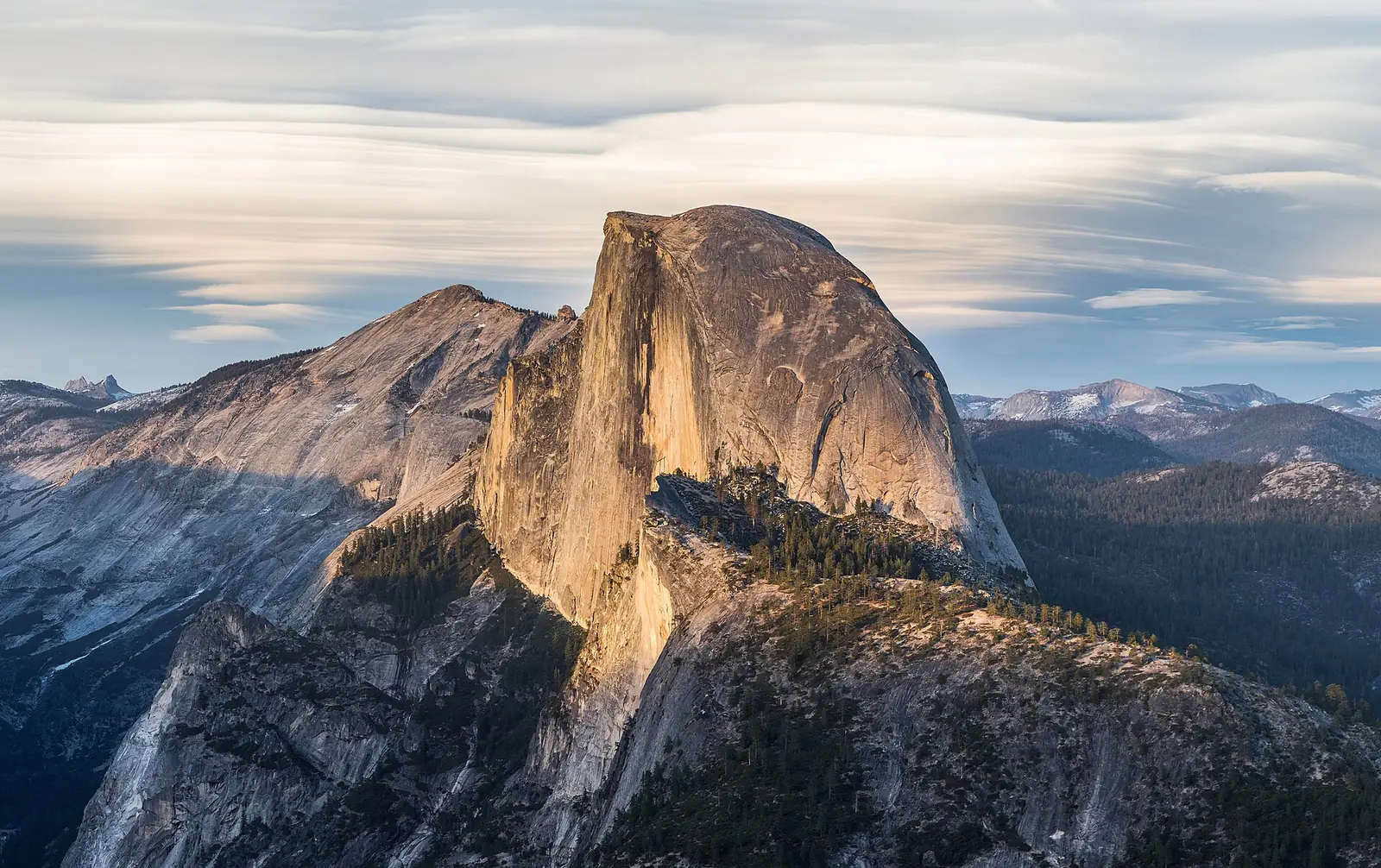
- Half Dome is the park’s best-known peak, visible from many spots on the valley floor.
- Mist Trail climbs to Vernal Fall and Nevada Fall. It’s steep and slippery in places, and parts can be icy or closed in winter.
- Mirror Lake is an easy walk, best in spring when there’s water.
Where to stay
Inside the park, Yosemite Valley lodging includes the historic Ahwahnee hotel, Yosemite Valley Lodge near Yosemite Falls and Curry Village. They book up months ahead, especially for summer and holidays. Outside the park, Mariposa, El Portal, Groveland and Oakhurst have motels, inns and cabins. El Portal, just outside the Arch Rock Entrance, is the closest gateway town to the valley, and several El Portal lodges are stops on the YARTS route.
Sample two-day itinerary
- Day 1: Leave San Francisco by 6 am, drive CA-120 to the Big Oak Flat Entrance and stop at Tunnel View. Spend the afternoon at Lower Yosemite Fall and El Capitan Meadow. Watch sunset from the valley floor.
- Day 2: Hike part of the Mist Trail in the morning if it’s open, or walk the valley loop. Have lunch in Yosemite Village, then drive back to San Francisco in the afternoon.
For other trips from the city, see our Napa Valley day trip and Muir Woods guide.
Planning a bigger California road trip? Our sister site Trip Musing covers national parks and scenic drives across the state.
Frequently asked questions
How far is Yosemite from San Francisco?
Yosemite Valley is about 170 to 200 miles from San Francisco, roughly a four- to five-hour drive each way depending on your route and traffic.
Do you need a reservation to enter Yosemite in 2026?
No. Yosemite isn’t using a timed entrance reservation system in 2026. You pay the entrance fee when you arrive.
How much does it cost to enter Yosemite?
As of November 2026, a private vehicle is $35 for 7 days. Visitors who aren’t US residents pay an extra $100 per person aged 16 and older unless they have an annual or America the Beautiful pass.
Can you get to Yosemite from San Francisco without a car?
Yes. Take Amtrak to Merced, then the YARTS Highway 140 bus into Yosemite Valley. The YARTS fare from Merced is $22 one way. Guided day tours from San Francisco are another option.
Is Yosemite worth visiting in winter?
Yes, if you’re prepared. Yosemite Valley is open year-round and is quiet and snowy in winter, but Tioga Road and Glacier Point Road close and you’ll need to carry tire chains.
Photo credits
Featured image: Diliff / Wikimedia Commons, CC BY-SA 3.0; Upper Yosemite Fall: Diliff / Wikimedia Commons, CC BY-SA 3.0; Half Dome from Glacier Point: Diliff / Wikimedia Commons, CC BY-SA 3.0; An Amtrak San Joaquins train: Missvain / Wikimedia Commons, CC BY 4.0.