
San Francisco rent control limits how much a landlord can raise the rent each year on most apartments in buildings built before June 1979. For March 1, 2026, through February 28, 2027, the allowable annual increase is 1.6%, set by the San Francisco Rent Board. Newer buildings, and most single-family homes and condos, aren’t covered by the city’s increase limits, though many tenants there still have eviction protections.
In this guide
This guide is part of our living in San Francisco hub. It’s a plain-English overview, not legal advice. Rules have exceptions, and the Rent Board’s figures below are as of November 2026, so check with the Rent Board or a tenant attorney about your situation.
At a glance
| Rule | What it means (as of November 2026) |
|---|---|
| Allowable annual increase | 1.6% for March 1, 2026, to February 28, 2027 |
| Previous years | 1.4% (2025 to 2026) and 1.7% (2024 to 2025) |
| How it’s set | 60% of the change in the Bay Area Consumer Price Index, capped at 7% |
| Main coverage | Most rental units in buildings first occupied before June 13, 1979 |
| Usually exempt from increase limits | Newer buildings, most single-family homes and condos |
| Security deposit interest | 4.2% for March 1, 2026, to February 28, 2027 |
| Who enforces it | San Francisco Rent Board |
How San Francisco rent control works
San Francisco’s Residential Rent Stabilization and Arbitration Ordinance dates to 1979. It does two main things for covered tenants. It limits annual rent increases while you live in the unit, and it limits the reasons a landlord can evict you, which is known as “just cause” eviction protection.
Rent control here doesn’t set the starting rent. When a unit becomes vacant, the landlord can usually set the new rent at market rate, under a California law called the Costa-Hawkins Rental Housing Act. After you move in, your rent can only go up by the allowed amounts, plus a few approved pass-throughs. That’s why long-term tenants in rent-controlled units often pay far less than new arrivals.
Which units are covered
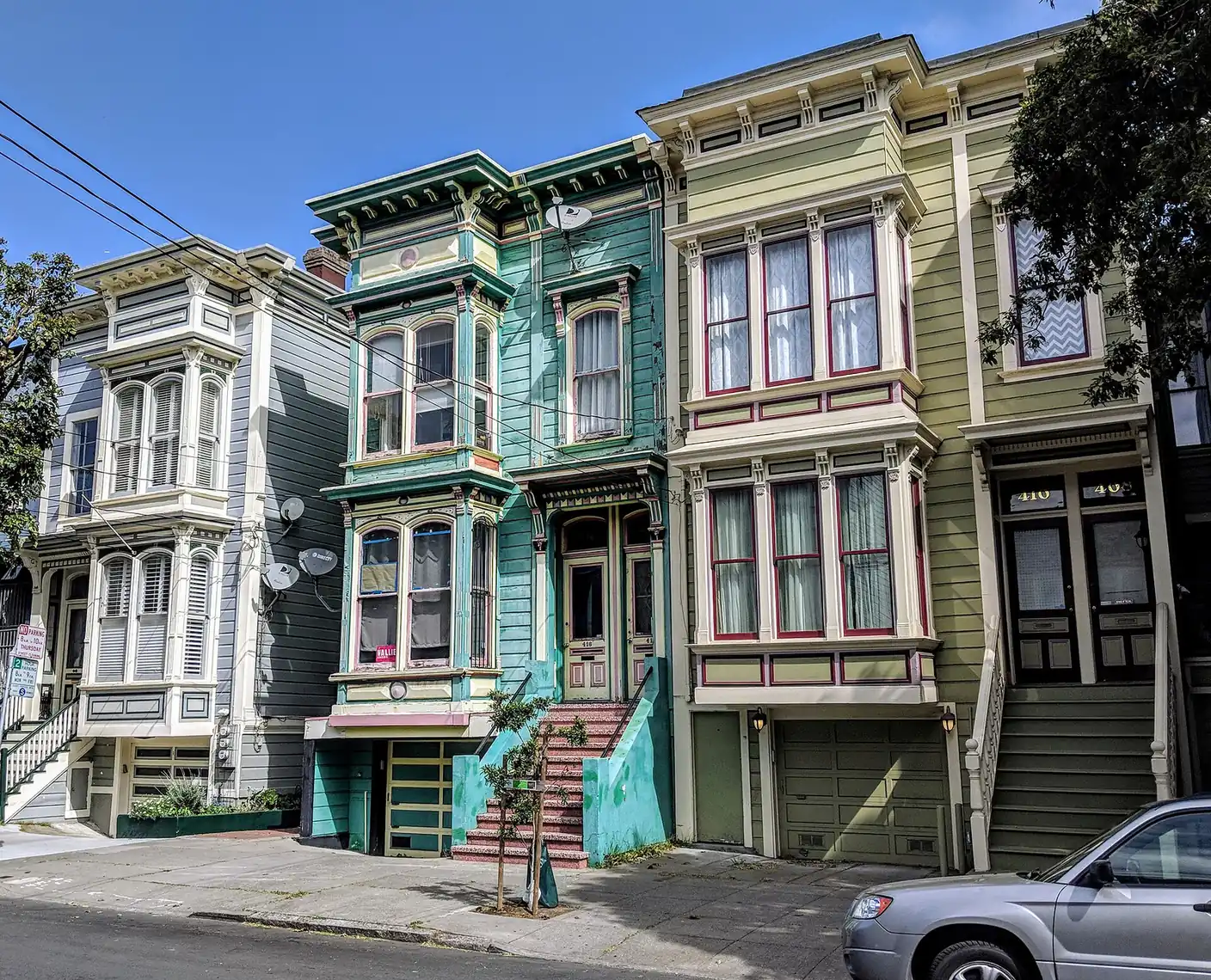
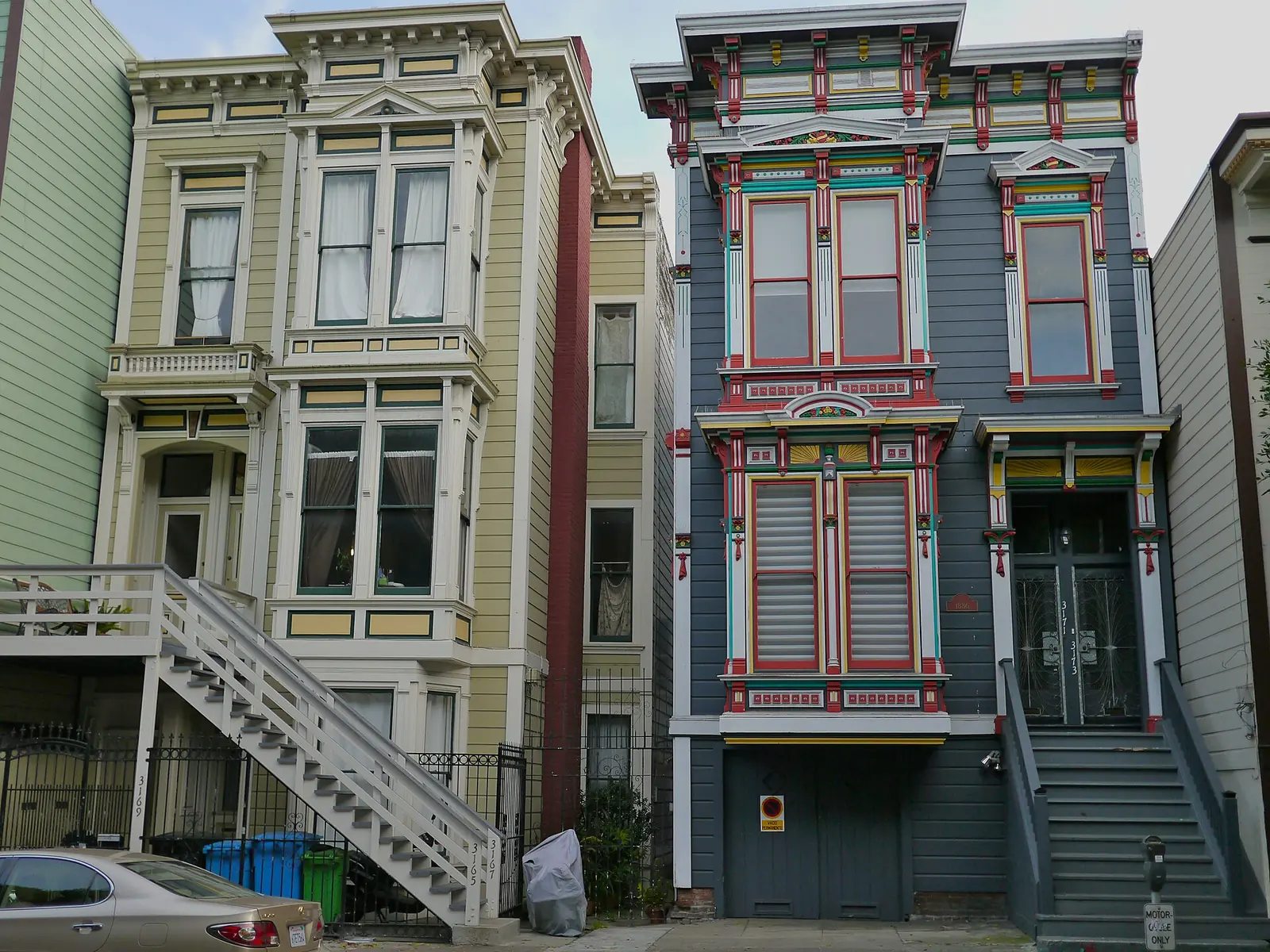
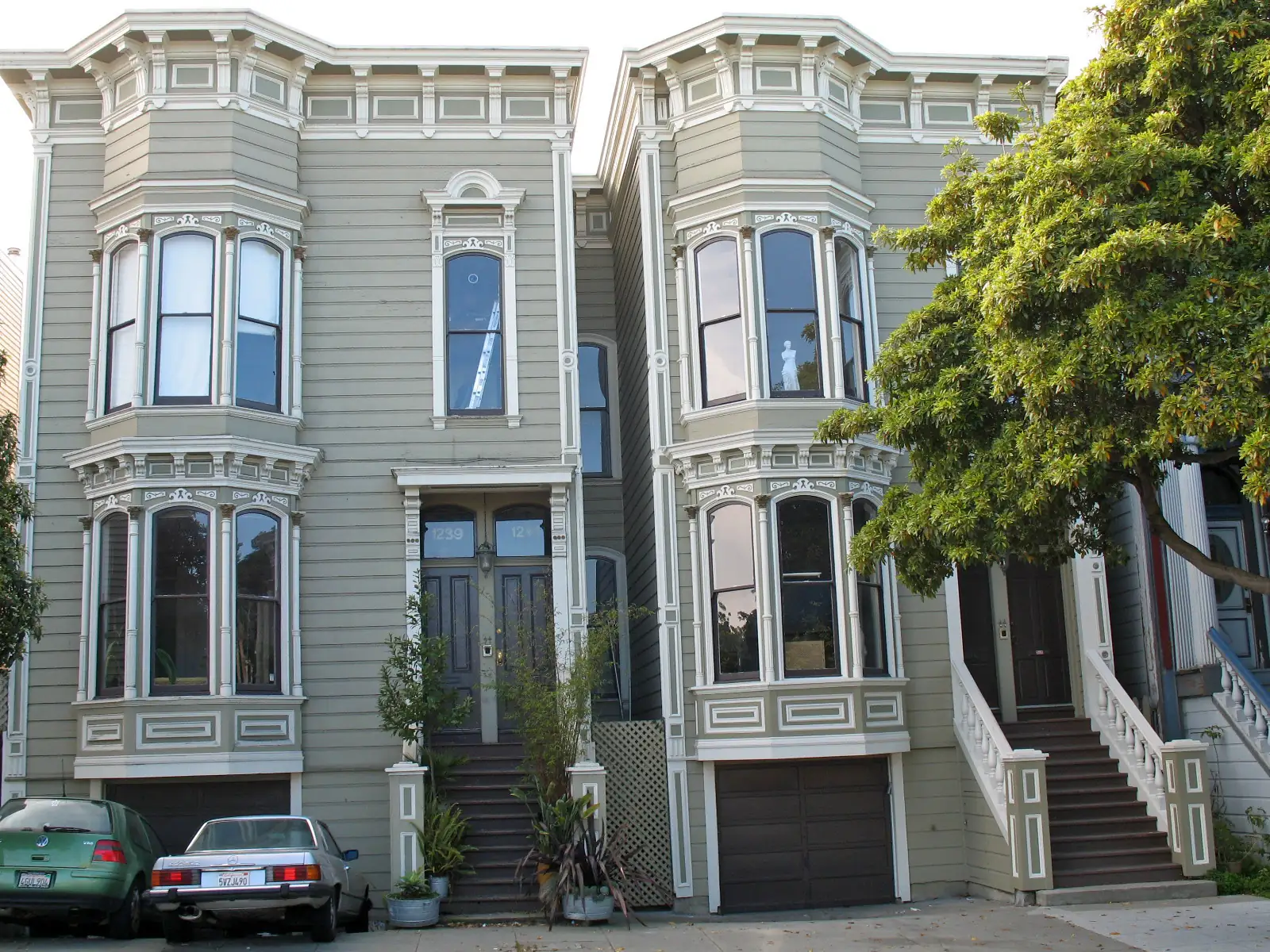
The annual increase limits generally apply to rental units in buildings that received their first certificate of occupancy before June 13, 1979. That covers a large share of the city’s apartments, including many Victorian and Edwardian flats in neighborhoods like the Mission, the Haight, the Richmond and the Sunset.
Units that are generally exempt from the city’s increase limits include:
- Buildings first occupied on or after June 13, 1979.
- Most single-family homes and condos, under Costa-Hawkins, with some exceptions.
- Some other categories defined in the ordinance, such as certain units in hotels, institutions and government-regulated housing.
The details matter. A house split into two units, a condo that was converted from a rent-controlled building or a unit where the owner lives on site can change the answer. The Rent Board has a counseling line and topic pages that walk through coverage.
Statewide protections outside rent control
If your unit isn’t covered by the city’s increase limits, California’s Tenant Protection Act of 2019, known as AB 1482, may still cap your annual increase and give you eviction protections. It applies to many units that are at least 15 years old and aren’t already under a stricter local rent control rule. Check the state’s rules and the Rent Board’s guidance to see where you fit.
A short history
San Francisco’s Board of Supervisors passed the Rent Ordinance in 1979, during a period of fast-rising rents and inflation, and it took effect that summer. That’s where the June 1979 cutoff comes from: buildings that already existed were brought under the rules, and new construction was left out to avoid discouraging building.
The state set its own limits in 1995 with Costa-Hawkins, which stopped cities from applying rent control to most housing built after 1995 and to single-family homes and condos, and allowed landlords to reset rents between tenants. California voters have since rejected three statewide ballot measures that would have loosened Costa-Hawkins, in 2018, 2020 and 2024. As a result, San Francisco can’t extend its increase limits to newer buildings, even if it wanted to.
Over the years, voters and supervisors have added layers of tenant protection on top of the original ordinance, including relocation payments, buyout rules and the right to counsel.
How to tell if your unit is covered
Start with the year your building was first occupied. You can often find it in property records or by asking the landlord, and the Rent Board can help if you’re unsure. Then ask whether your unit is a single-family home or a condo you rent from an individual owner, since those are usually exempt from the increase limits. If you live in an apartment in an older multi-unit building, odds are good you’re covered.
The 2026 to 2027 allowable increase
The Rent Board sets a new allowable annual increase each year, effective March 1. For March 1, 2026, through February 28, 2027, it’s 1.6%, according to the city’s current rates page. It was 1.4% the year before and 1.7% the year before that.
The number is set at 60% of the increase in the regional Consumer Price Index, and it can’t exceed 7% in any year. A landlord can raise the rent once every 12 months by the allowed amount.
Here’s what 1.6% looks like:
| Current monthly rent | 1.6% increase | New monthly rent |
|---|---|---|
| $1,500 | $24 | $1,524 |
| $2,500 | $40 | $2,540 |
| $3,500 | $56 | $3,556 |
Banking
If a landlord skips an annual increase, they can usually “bank” it and add it later, along with the current year’s increase. That can produce a larger one-time jump after years without increases. Landlords must use the correct historical rates, and the Rent Board has a calculator and a table of past increases.
Notice rules
Under state law, a landlord must give at least 30 days’ written notice for an increase of 10% or less, and at least 90 days’ notice for an increase of more than 10%.
Pass-throughs and other charges

In addition to the annual increase, landlords of covered units can petition the Rent Board or file for certain pass-throughs:
- Capital improvements. The landlord can pass through part of the cost of approved improvements, spread out over years. The Rent Board sets the imputed interest rates used in those calculations.
- Utility pass-throughs. In some cases, increases in utility costs paid by the landlord can be passed through.
- Rent Board fee. Landlords can charge tenants half of the annual Rent Board fee. For the most recent listed tax year, the tenant’s share was $29.50 per unit.
Tenants can also file petitions, for example if the landlord cuts housing services or fails to make repairs. The Rent Board can order rent reductions in those cases.
Evictions and just cause
Covered tenants in San Francisco can only be evicted for one of the “just causes” listed in the Rent Ordinance. These include nonpayment of rent, a serious lease violation, nuisance, an owner or relative move-in, and permanent removal of the unit from the rental market under the state’s Ellis Act.
Relocation payments
For no-fault evictions, such as an owner move-in or an Ellis Act withdrawal, landlords must pay relocation money. For eviction notices served between March 1, 2026, and February 28, 2027, the city’s figures are:
| Type of eviction | Per tenant | Maximum per unit | Extra for each elderly or disabled tenant |
|---|---|---|---|
| Owner or relative move-in, demolition, capital improvement work | $8,245 | $24,733 | $5,497 (also applies to households with minor children) |
| Ellis Act | $11,110.05 | $33,330.13 | $7,443.90 |
Buyouts
Some landlords offer tenants money to move out voluntarily. San Francisco requires landlords to give tenants specific disclosures before negotiating a buyout, and buyout agreements must be filed with the Rent Board. You don’t have to accept a buyout offer, and it’s worth talking to a tenant counselor or attorney before you sign.
Right to counsel
San Francisco voters approved a right-to-counsel measure in 2018, which provides free legal representation to tenants facing eviction. If you get an eviction notice, contact a tenant organization or the city’s eviction defense resources right away.
Security deposits
San Francisco requires landlords to pay interest on security deposits held for at least a year. For March 1, 2026, through February 28, 2027, the rate is 4.2%. California’s AB 12, in effect since July 1, 2024, also caps most security deposits at one month’s rent, with an exception for some small landlords.
Tips for renters
- Ask when the building was built. If it was first occupied before June 1979, the unit is likely covered by rent control. Check the certificate of occupancy date or ask the Rent Board.
- Keep every rent receipt and notice. Records help if there’s ever a dispute about your rent history.
- Read rent increase notices carefully. Check that the percentage matches the allowable increase and any banked amounts.
- Put repair requests in writing. If repairs don’t happen, you may be able to petition for a rent reduction.
- Don’t sign a buyout or move out under pressure. Get advice first.
If you’re moving here, our living in San Francisco hub and neighborhood guide can help you pick where to look. Neighborhoods with lots of older buildings, like the Mission, the Haight and the Castro, have the most rent-controlled apartments.
Where to get help
The San Francisco Rent Board runs a counseling service by phone and in person, publishes topic guides in several languages and handles petitions and hearings. Start at the Rent Board’s site. Tenant groups and legal aid organizations in the city also offer free counseling and workshops.
Moving within California? Our sister site Los Angeles Updates covers life in LA, which has its own rent stabilization rules.
Frequently asked questions
What is the allowable rent increase in San Francisco for 2026?
For March 1, 2026, through February 28, 2027, the allowable annual increase for rent-controlled units is 1.6%, according to the San Francisco Rent Board.
Which San Francisco apartments are rent controlled?
Generally, rental units in buildings first occupied before June 13, 1979. Most newer buildings, single-family homes and condos aren’t covered by the city’s increase limits, though state law may still apply.
Can my landlord raise my rent more than the allowable increase?
Sometimes. Landlords can add banked increases from earlier years and approved pass-throughs, such as for capital improvements. They can’t raise rent above those amounts on a covered unit without Rent Board approval.
Does rent control apply when a new tenant moves in?
Usually not to the starting rent. Under the state’s Costa-Hawkins law, landlords can generally set a new rent when a unit becomes vacant. After that, increases are limited.
How much notice does a landlord need to give for a rent increase in California?
At least 30 days for an increase of 10% or less, and at least 90 days for an increase of more than 10%.
Where can San Francisco tenants get help?
The San Francisco Rent Board offers counseling and publishes guides on its website. Tenant organizations and legal aid groups also give free advice.
Photo credits
Featured image: Cullen328 / Wikimedia Commons, CC BY-SA 3.0; San Francisco City Hall: King of Hearts / Wikimedia Commons, CC BY-SA 3.0; Houses in the Mission District: mari.francille / Wikimedia Commons, CC BY 2.0; Victorian flats on Scott Street: Sanfranman59 / Wikimedia Commons, CC BY-SA 4.0.