
San Francisco is one of the most expensive places to live in the United States, and housing is the reason. Apartment List put the city’s median rent at $3,842 a month in October 2026, with one-bedrooms at $3,879 and two-bedrooms at $4,597, the highest of the 100 largest U.S. cities. Transit, food and taxes cost more than the national average too, but rent is what shapes most budgets here.
In this guide
This guide is part of our living in San Francisco hub. Figures are as of November 2026 and change often, so check the linked sources before you sign a lease or set a budget.
At a glance
| Cost | San Francisco figure (as of November 2026) | Source |
|---|---|---|
| Median rent, all sizes | $3,842 a month | Apartment List, October 2026 data |
| Median one-bedroom rent | $3,879 a month | Apartment List |
| Median two-bedroom rent | $4,597 a month | Apartment List |
| Minimum wage | $19.61 an hour since July 1, 2026 | San Francisco OLSE |
| Muni single ride | $2.85 with Clipper, $3.00 cash | SFMTA |
| Muni adult monthly pass | $86 | SFMTA |
| Sales tax | 8.625%, rising to 9.625% from April 2027 | CDTFA, Measure RTM |
| Median household income | $140,970 (2020 to 2024 estimate) | U.S. Census Bureau |
Rent: the biggest number in your budget
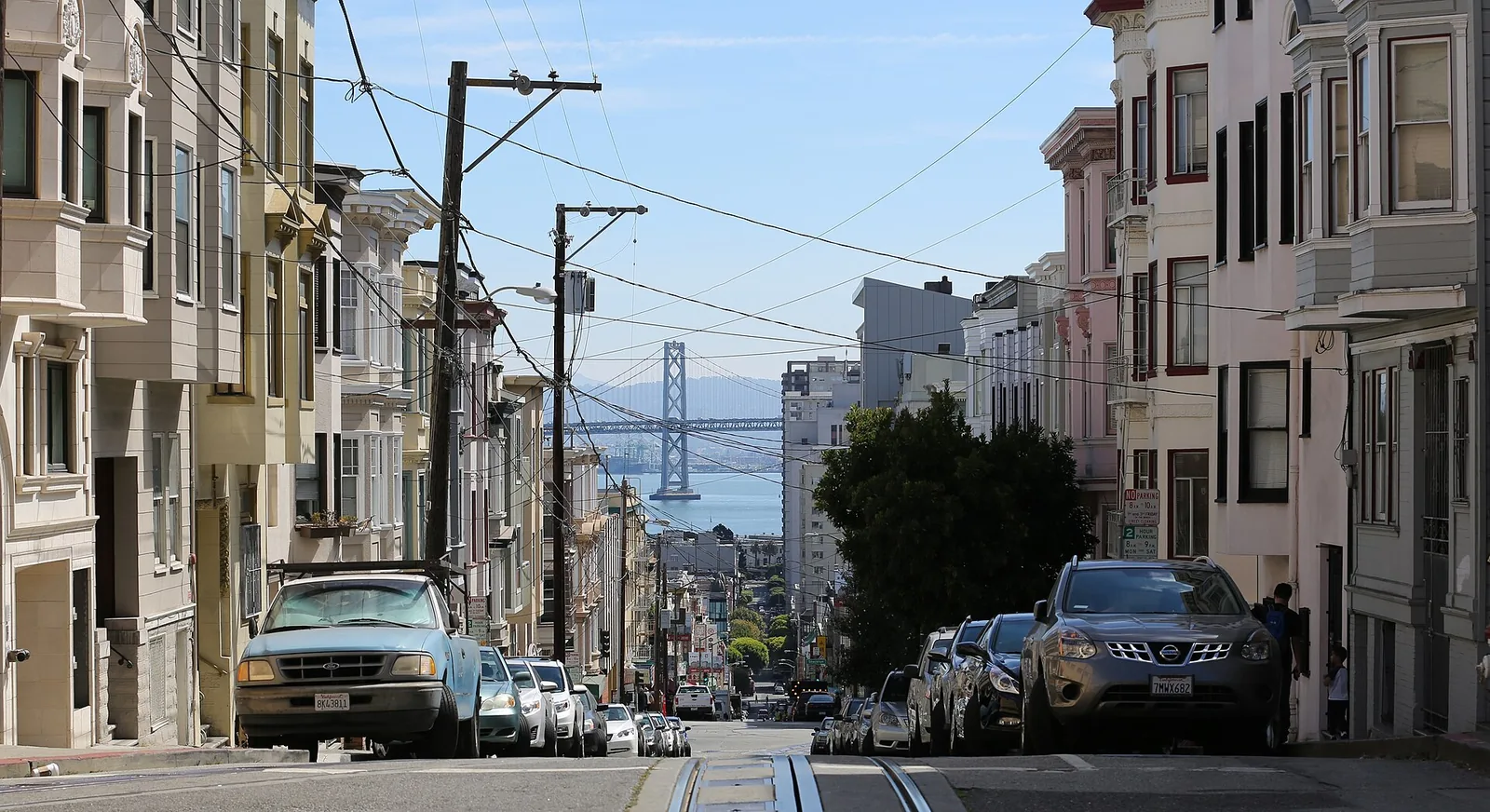
Rents in San Francisco have climbed fast. Apartment List’s November 2026 report put the citywide median at $3,842 for October, up 24.3% from a year earlier. That was the fastest one-year increase of any large U.S. city. The median passed its 2019 pre-pandemic peak in March 2026, and the report links the jump to growth in the AI industry, much of it based in the city, along with very little new apartment construction.
The market is tight. In October 2026, only 2.85% of units in the buildings Apartment List tracks were listed as available, and apartments that leased had been on the market for a median of about 25 days. Listing sites that track asking rents, such as Zumper, report even higher one-bedroom numbers, because they measure advertised prices on new listings.
A common rule of thumb is to keep rent around 30% of gross income. By that math, the $3,879 one-bedroom median needs about $155,000 a year in household income. That’s why many people here have roommates, rent in-law units, or live in Oakland, Daly City or other nearby cities.
What drives the price of a given apartment:
- Neighborhood. Newer high-rises in SoMa, Mission Bay and Rincon Hill often sit at the top of the market. The outer neighborhoods, like the Sunset, Richmond, Excelsior and Visitacion Valley, usually cost less, though prices have risen everywhere.
- Building age. Many older buildings are covered by San Francisco’s rent control rules, which limit yearly increases for existing tenants. New construction usually isn’t.
- Amenities. In-unit laundry, parking and a dishwasher add real money to the rent in a city where many older flats have none of the three.
- Utilities. Some leases include water and garbage; few include electricity and gas. Ask before you sign.
Our San Francisco neighborhood guide is a good place to start comparing areas.
Move-in costs
Budget for more than the first month’s rent. Expect an application fee, a security deposit and sometimes a pet deposit. Since July 1, 2024, California law (AB 12) caps security deposits at one month’s rent for most landlords, with an exception that allows two months for some small landlords. Movers are pricey in a city of stairs and narrow streets, and many buildings require you to reserve a loading space or get a temporary parking permit for the truck.
Cheaper rent nearby
Apartment List’s October 2026 figures show lower one-bedroom medians across the bay. Concord ($2,033), Alameda ($2,120) and Oakland ($2,167) had the lowest among the metro cities it tracks. Oakland’s rents were also rising fast, up 16.4% in a year. If you work downtown, BART from Oakland or Concord can make that trade-off work. Our BART guide has fares and travel times.
Buying a home
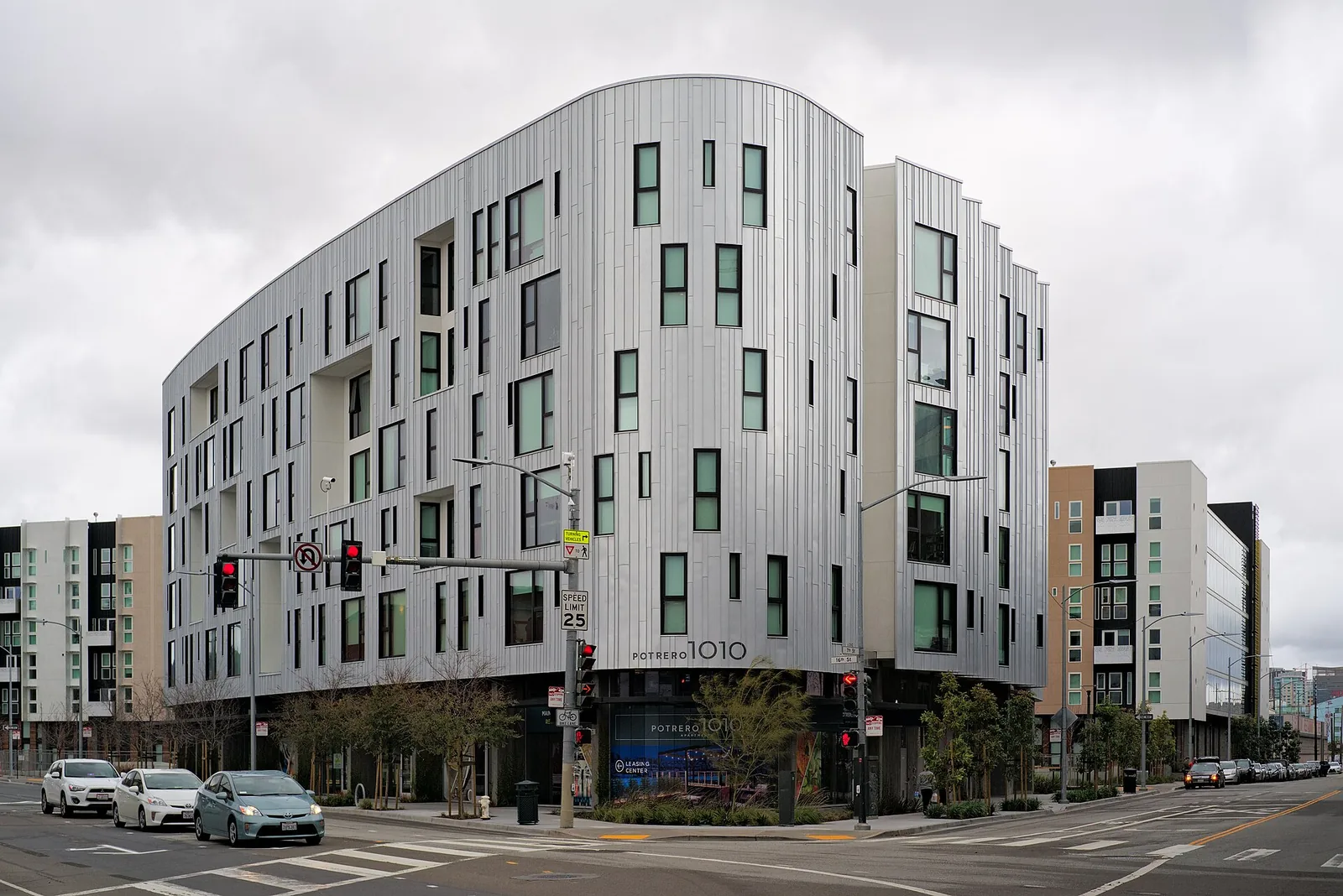
Buying is out of reach for many households. San Francisco has some of the highest home prices in the country, and most homes are condos, flats in two- to four-unit buildings, or single-family houses on narrow lots. Prices swing with the tech economy and mortgage rates, so look at recent sales reports from a local brokerage or the San Francisco Association of Realtors rather than relying on any single national average. Property tax in California is based on the purchase price under Proposition 13, at a base rate of 1% plus local voter-approved charges, so your bill depends a lot on when you bought.
Getting around
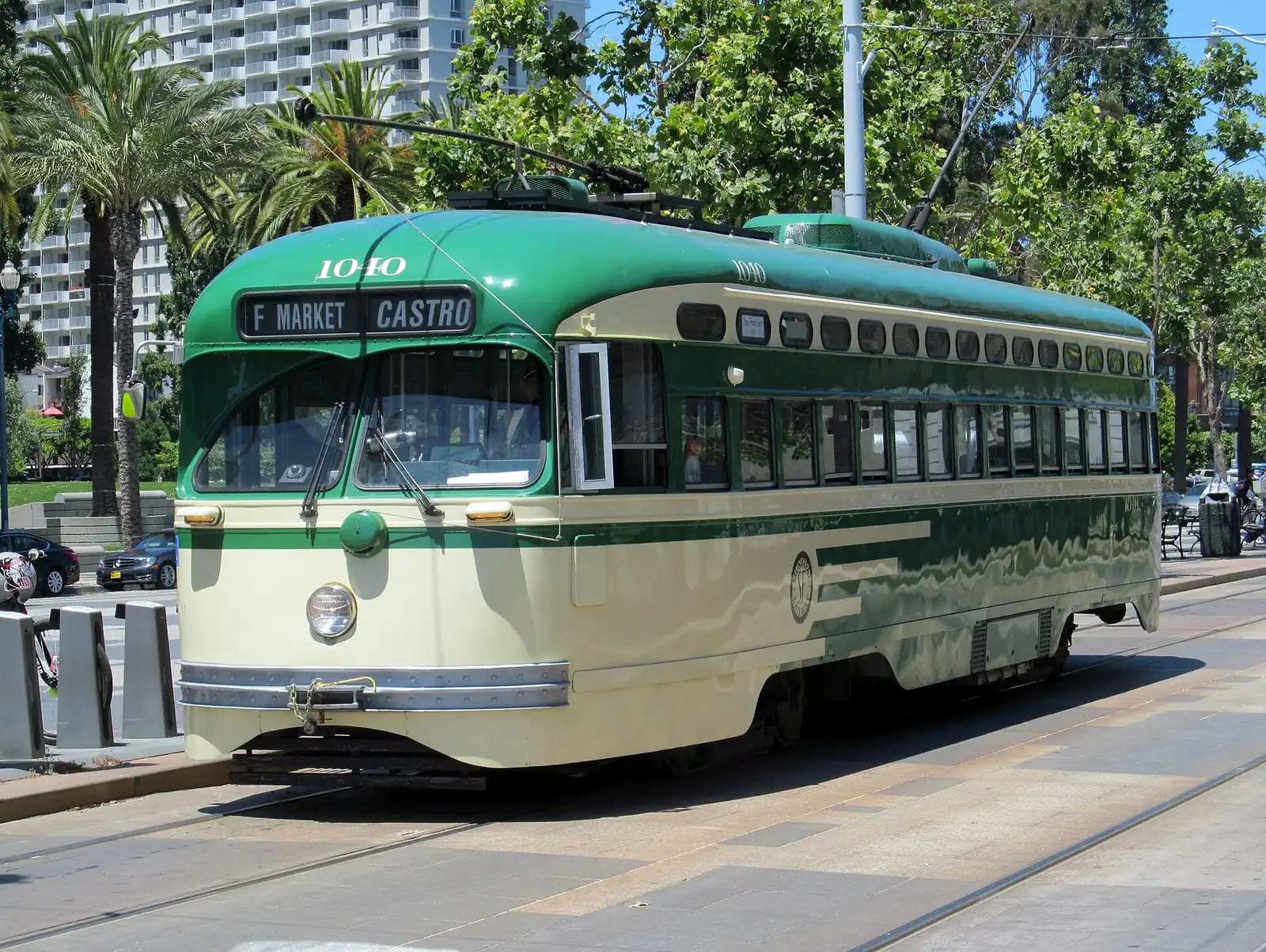
Many residents don’t own a car, and that saves a lot. As of November 2026, a Muni ride costs $2.85 with a Clipper card or $3.00 in cash for adults, and the adult Muni-only monthly pass is $86, according to the SFMTA fares page. BART is priced by distance. Our Muni guide and Clipper card guide explain passes and discounts.
Transit funding was on the ballot in November 2026. Unofficial results showed voters approving Measure RTM, a regional sales tax for BART, Muni, Caltrain and AC Transit, and San Francisco’s Proposition H, a parcel tax for Muni. Supporters said the money was meant to head off deep service cuts, so service levels should hold steadier than they would have otherwise.
Owning a car adds insurance, gas that’s usually priced well above the national average in California, bridge tolls and parking. Many apartments don’t include a parking space, and a garage spot can cost hundreds of dollars a month. Residential permit parking is available in many neighborhoods. Car break-ins are also a real cost; our parking in San Francisco guide covers rules and safety.
Plenty of people bike, especially in the flatter eastern and southern neighborhoods. Bay Wheels bike share and e-bikes help with the hills.
Taxes and wages
California has a progressive state income tax with some of the highest top rates in the country. San Francisco doesn’t add a separate city income tax on residents. The tax most people notice day to day is sales tax: 8.625% in San Francisco as of November 2026. The new regional transit tax adds 1 percentage point in San Francisco when collection begins in April 2027, bringing the rate to 9.625%. Groceries you cook at home are generally exempt from California sales tax, while restaurant meals and most other goods are taxed.
On the income side, San Francisco’s minimum wage rose to $19.61 an hour on July 1, 2026, according to the city’s Office of Labor Standards Enforcement. It adjusts each July for inflation. The Census Bureau’s 2020 to 2024 estimate puts the city’s median household income at $140,970, which is far above the national figure but still tight against local rents.
Food and everyday costs
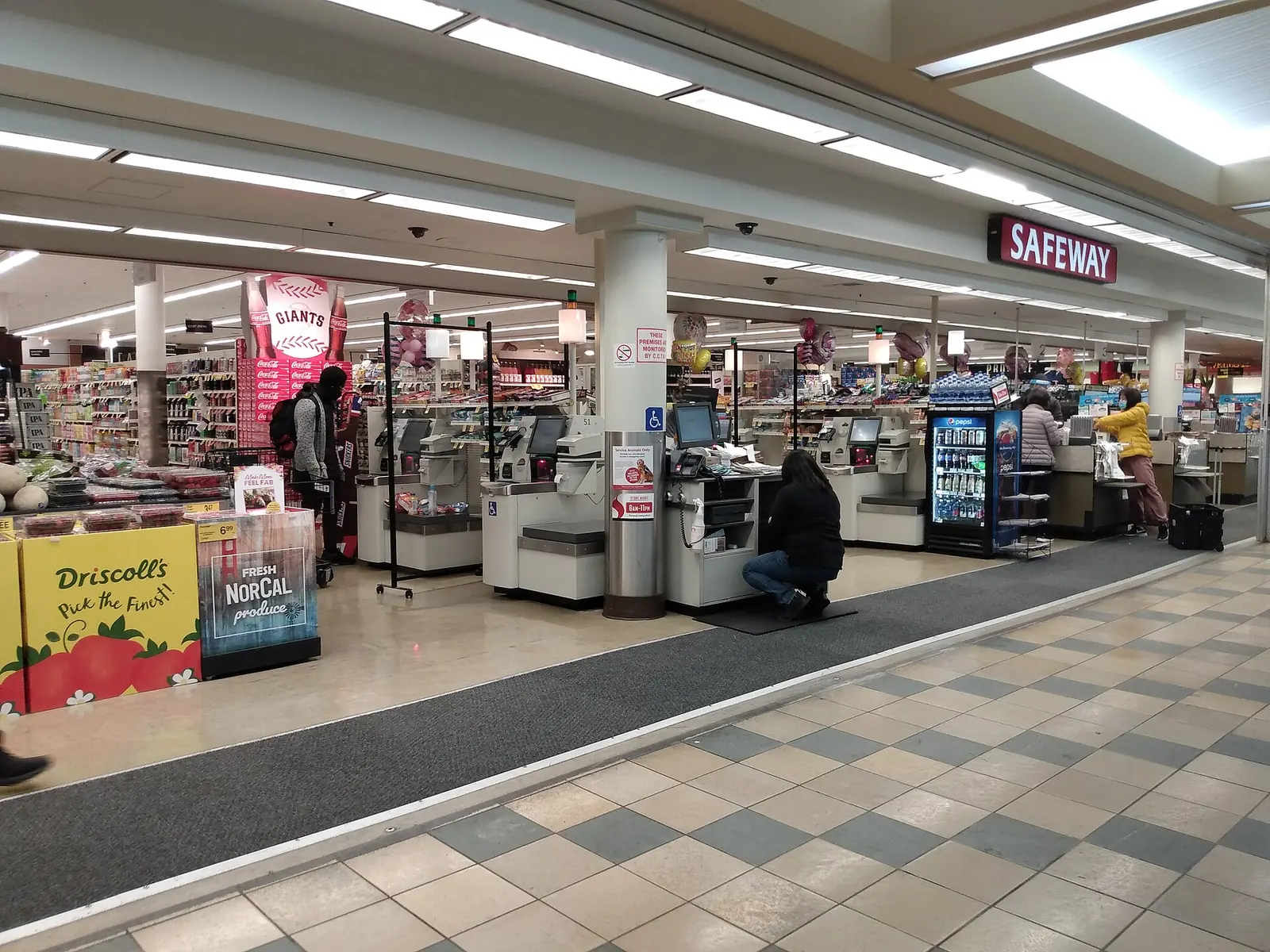
Groceries cost more here than in most of the country. Big chains like Safeway, Trader Joe’s and Whole Foods have stores around the city, and smaller produce markets in the Mission, the Richmond, Chinatown and the Excelsior are often cheaper for fruit and vegetables. Farmers markets can be good value at the end of the day.
Eating out adds up fast. Restaurant prices are high, and many restaurants add service charges or health care surcharges to the bill on top of tax and tip. Read the menu footnotes so the total doesn’t surprise you. Burritos, dim sum and banh mi are the classic budget meals. Our best burritos and best dim sum guides point to good-value options.
Other monthly costs to plan for:
- Utilities. PG&E supplies electricity and gas in most of the city, and many residents get electricity through CleanPowerSF. Bills depend on the size and age of your place. Older buildings tend to be drafty, but most homes don’t need air conditioning.
- Internet and phone. Similar to other big U.S. cities.
- Health insurance. Costs depend on your employer and plan.
- Childcare. Expensive, with long waitlists in many neighborhoods. Check eligibility for city-funded programs if you have young kids.
Free and cheap things that help
Living in San Francisco gets more affordable when you use what the city gives you for free. The parks are a big one: Golden Gate Park, the Presidio, Lands End and dozens of neighborhood parks and beaches cost nothing. Many museums have free days, and a San Francisco Public Library card gets you books, films, online courses and museum passes. See our guides to free things to do in San Francisco and free museum days.
The mild climate helps too. Most homes don’t need air conditioning, and you won’t need a heavy winter wardrobe. Our San Francisco weather by month page shows what a typical year looks like.
Sample monthly budgets
These are rough illustrations built from the figures above, not quotes. Your numbers will differ.
| Expense | Single, one-bedroom | Two roommates, two-bedroom (per person) |
|---|---|---|
| Rent (median) | $3,879 | About $2,300 |
| Muni monthly pass | $86 | $86 |
| Utilities, internet, phone | Varies, often a few hundred dollars | Split, lower per person |
| Groceries and eating out | Varies widely | Varies widely |
Sharing a two-bedroom at the $4,597 median cuts rent per person by about $1,580 a month compared with renting a one-bedroom alone. That’s the single biggest lever most people have.
Tips for keeping costs down
- Look beyond the obvious neighborhoods. The Sunset, Richmond, Excelsior and Bayview often have lower rents than the Mission, Hayes Valley or SoMa.
- Ask whether a unit is under rent control before you sign. It affects how much your rent can rise each year.
- Skip the car if you can, or share one through a car-share service.
- Cook at home more than you would elsewhere. Sales tax doesn’t apply to most groceries, and restaurant surcharges add up.
- Use transit discounts. Clipper has reduced fares for youth, seniors, people with disabilities and qualifying low-income adults.
Thinking about other California cities? Our sister sites cover San Diego, where many people compare costs before a move.
Frequently asked questions
How much do you need to earn to live in San Francisco?
Using the common guideline of spending about 30% of gross income on rent, the October 2026 one-bedroom median of $3,879 works out to about $155,000 a year. Sharing an apartment brings that down a lot.
What is the average rent in San Francisco in 2026?
Apartment List’s November 2026 report put San Francisco’s median rent at $3,842 for all apartment sizes in October 2026, with one-bedrooms at $3,879 and two-bedrooms at $4,597.
What is the minimum wage in San Francisco?
San Francisco’s minimum wage has been $19.61 an hour since July 1, 2026. It’s adjusted every July 1.
What is the sales tax in San Francisco?
The combined sales tax rate is 8.625% as of November 2026. Measure RTM adds 1 percentage point in San Francisco when collection begins in April 2027, for a total of 9.625%.
Is it cheaper to live in Oakland than San Francisco?
Generally, yes. Apartment List’s October 2026 figures put Oakland’s median one-bedroom rent at $2,167, compared with $3,879 in San Francisco, though Oakland rents were also rising quickly.
Photo credits
Featured image: Tobias Kleinlercher / Wikimedia Commons, CC BY-SA 3.0; A Muni F-line streetcar at the Ferry Building: Pi.1415926535 / Wikimedia Commons, CC BY-SA 3.0; New apartment construction in San Francisco: Dllu / Wikimedia Commons, CC BY-SA 4.0; Groceries are one of the bigger monthly costs: DestinationFearFan / Wikimedia Commons, CC BY-SA 4.0.