The Golden Gate Bridge opened in 1937 and links San Francisco to Marin County across the mouth of the bay. You can see it from much of the northern side of the city. Walking out onto it, with the towers above you and the wind coming off the Pacific, is what most visitors remember.
In this guide
This guide is part of our San Francisco attractions hub. For more time outside, see outdoor activities in San Francisco.
Walking the bridge
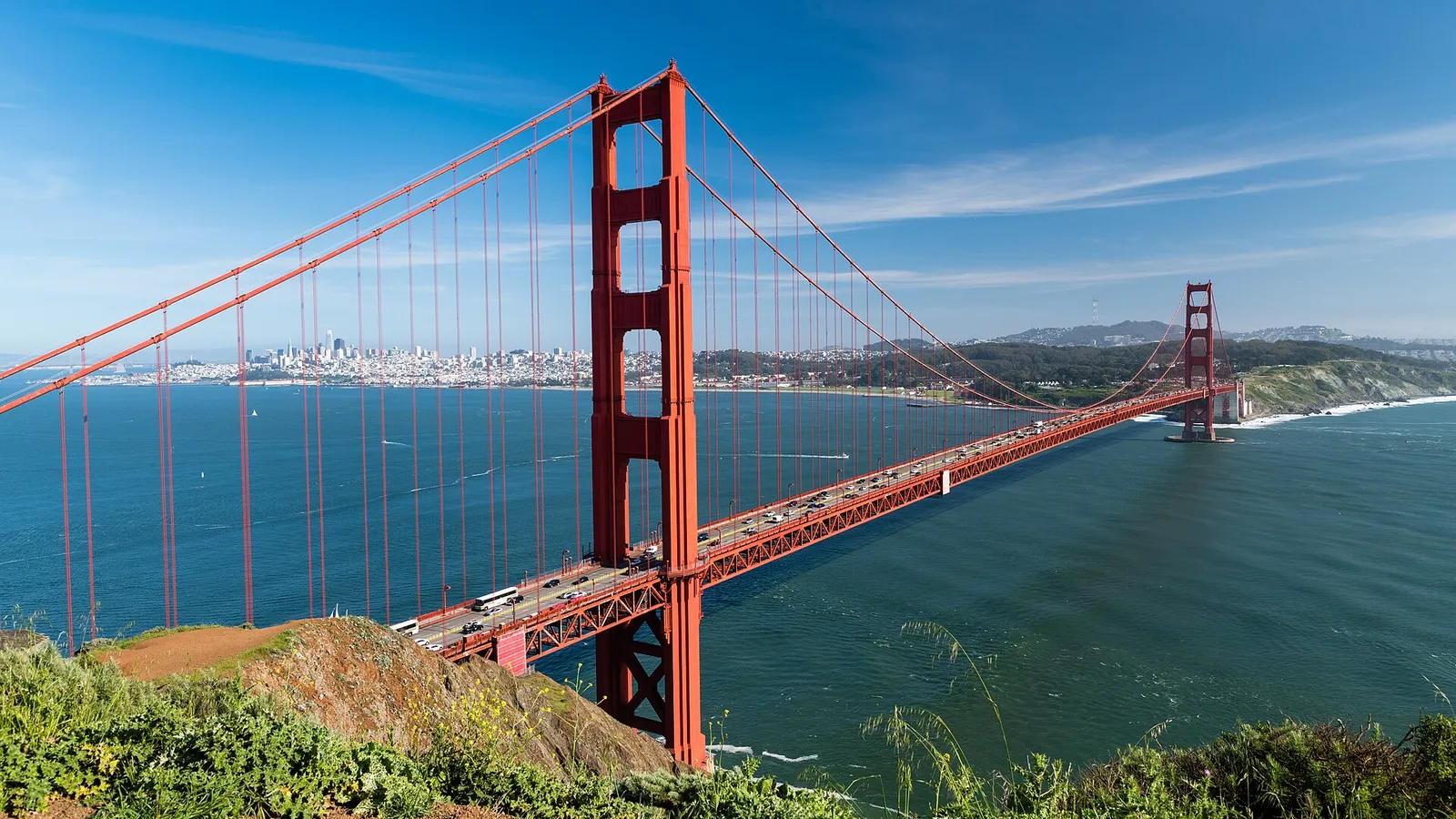
Walking the bridge is free. Pedestrians, including people using wheelchairs and other mobility devices, may only use the east sidewalk, the side facing San Francisco. The bridge span is about 1.7 miles, so a round trip from the Welcome Center to the Marin end and back takes most people an hour or more.
East sidewalk hours for pedestrians
- Daylight saving time (early March to early November) 5am to 9pm
- Standard time (early November to early March) 5am to 6:30pm
- Overnight Closed to pedestrians, with automatic gates
During construction of the suicide deterrent net, the east sidewalk sometimes closes an hour early on weeknights. Check the bridge district’s closure page before an evening walk.
Biking the bridge
Cyclists can use the sidewalks 24 hours a day. Which sidewalk they use depends on the day and time, and lights at each end show where to ride. Bikes must yield to people walking, keep to 15 mph and slow to 5 mph around the towers. There are no bike rentals at the bridge itself, so rent in the city first.
What is not allowed on the sidewalks
Electric scooters, skateboards and roller skates are not allowed, and neither are dogs, except service animals. Drones are banned over and around the bridge.
Best places to see the bridge
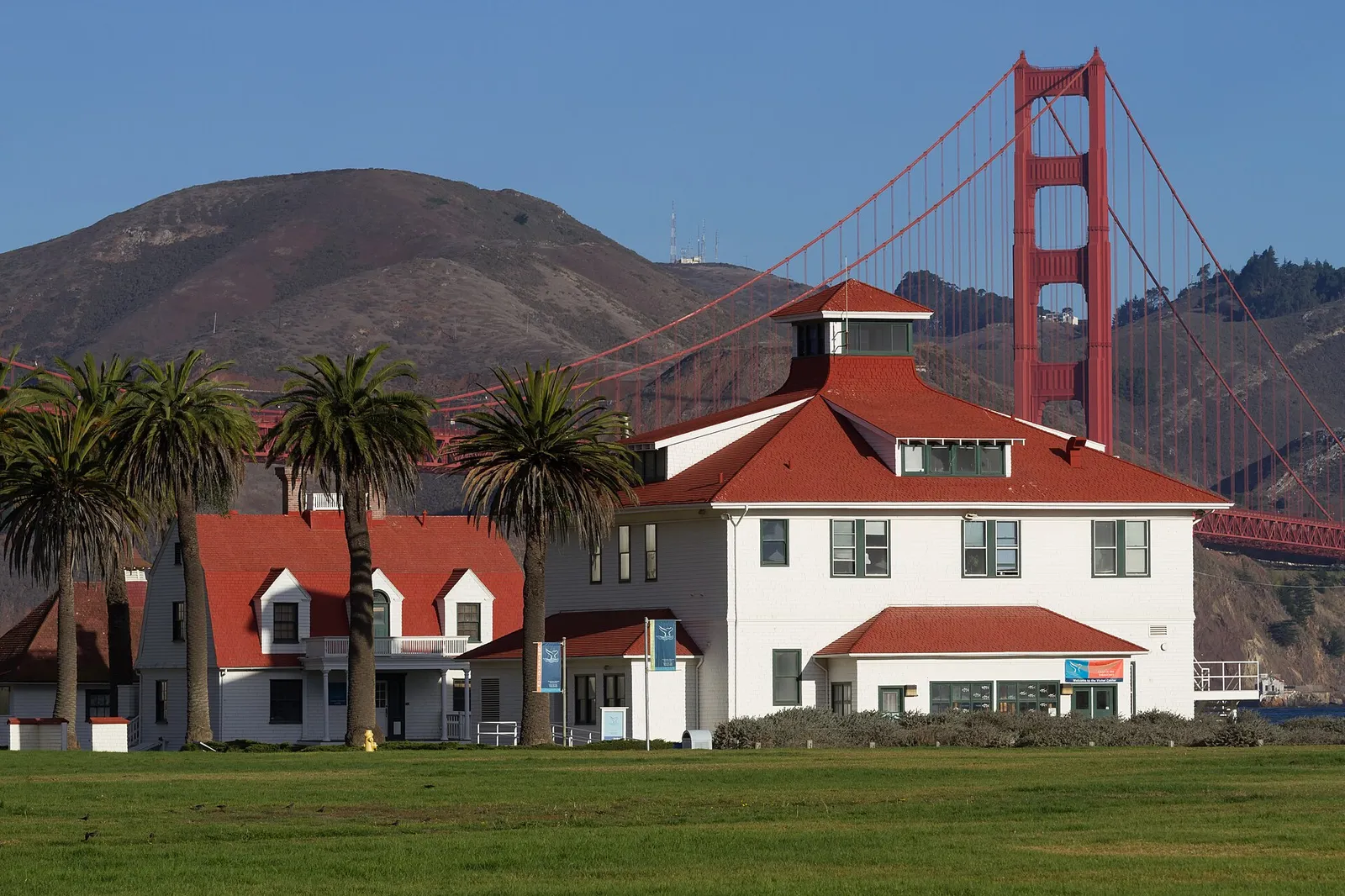
Crissy Field in the Presidio has a long flat path along the water with the bridge ahead of you. Fort Point, right under the southern end, shows the underside of the span. Battery Spencer on the Marin side is the classic postcard view from slightly above. Lands End and Baker Beach show the bridge from the west. Our guide to the best views in San Francisco has more.
Getting there and parking
Parking lots near the Welcome Center fill quickly on weekends and are metered. Muni buses stop at the bridge plaza, and Golden Gate Transit buses that run between the city and Marin stop there too. See getting around San Francisco for routes.
The toll
The toll applies only to vehicles heading south into San Francisco, and there are no toll booths. Cameras read your FasTrak tag or license plate, and rental car companies usually add the toll to your bill. Walking and biking are free.
Fog, wind and when to go
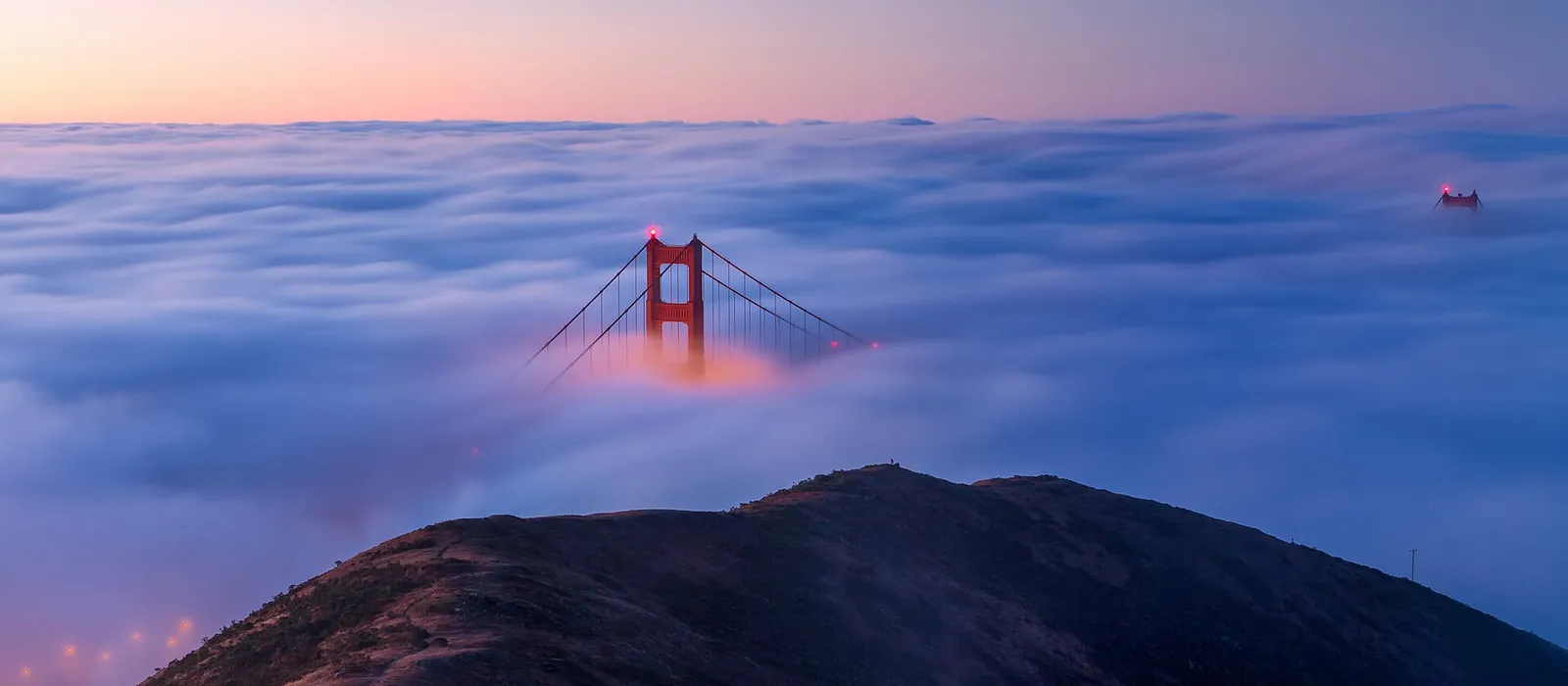
Summer is the foggiest season at the Golden Gate, and the towers can disappear for whole afternoons. Fall is often clearer. Mornings tend to be calmer than afternoons. Bring a jacket whatever the forecast says, because the wind on the span is strong. Our San Francisco weather by month guide explains the fog season.
Official resources: Golden Gate Bridge, bikes and pedestrians, Golden Gate Bridge toll tips for visitors, Presidio of San Francisco.
Frequently asked questions
How long does it take to walk the Golden Gate Bridge?
The span is about 1.7 miles. A one-way walk takes 30 to 45 minutes for most people, and longer if you stop for photos.
Can you walk the bridge at night?
No. The east sidewalk closes to pedestrians at 9pm in daylight saving time and 6:30pm in standard time.
Do you have to pay to walk across?
No. Only southbound vehicles pay a toll.
Photo credits
Featured image: Christoph Strässler / Wikimedia Commons, CC BY-SA 2.0; Best places to see the bridge: Frank Schulenburg / Wikimedia Commons, CC BY-SA 4.0; Fog, wind and when to go: Frank Schulenburg / Wikimedia Commons, CC BY-SA 3.0.